What if that hairline crack in your pool's tile is actually a warning signal for a major structural failure? With over 10.4 million residential pools in the United States, many aging basins are now reaching a critical tipping point where simple maintenance is no longer enough. It's natural to feel stressed about potential repair bills or confused by different surface types. You want a safe, beautiful space for your family without the fear of unreliable contractors. Identifying the specific signs your pool needs renovation is the essential first step toward protecting your property, especially as New Jersey homeowners face the relentless pressure of the winter freeze.
We believe your pool is a liquid mirror reflecting the best moments of your life; it deserves to be a source of pride, not a list of mounting chores. This guide provides clear diagnostic criteria to help you understand the difference between a minor repair and a professional renovation. You'll learn how to spot warning signs before they escalate into costly failures. We'll also preview the latest 2026 safety standards and energy requirements. This knowledge gives you the confidence to partner with a local expert who prioritizes safety and high quality results.
Key Takeaways
- Learn to distinguish between routine maintenance and the critical signs your pool needs renovation to prevent exponential cost increases.
- Identify structural red flags like expanding concrete cracks and vinyl liner separation that demand immediate professional attention.
- Recognize how persistent equipment noise and frequent breakdowns signal it's time for a comprehensive mechanical upgrade.
- Master the 10 to 15 year rule for vinyl liners to confidently choose between localized repairs and a full backyard transformation.
- Discover how specialized local expertise in Closter and Alpine ensures your renovation meets 2026 safety and efficiency standards.
Recognizing the Tipping Point: When Maintenance Isn't Enough
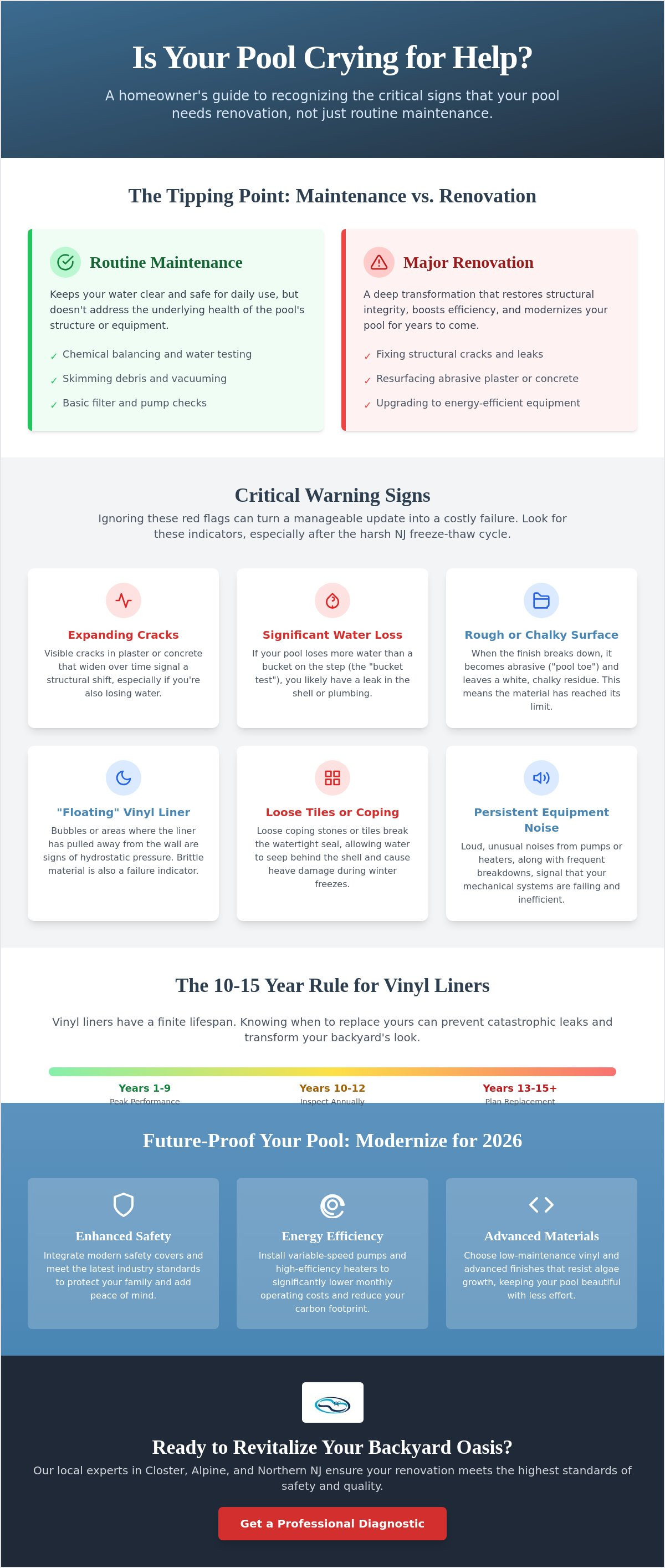
Routine maintenance in 2026 focuses on chemical balance, skimming, and basic equipment checks. It keeps your water clear, but it doesn't address the underlying health of the structure. Renovation is a deeper transformation. It restores the mechanical efficiency and structural integrity of your aquatic space. Understanding the history and construction of pools helps homeowners recognize that while finishes have improved, the physical stressors on a basin remain constant. Ignoring the subtle signs your pool needs renovation often turns a manageable update into a financial burden. Small leaks eventually saturate the surrounding soil. This leads to shifted shells or collapsed plumbing lines that require invasive excavation to fix.
Professional diagnostics are the most effective way to identify these hidden failures. A skilled technician can spot the difference between a surface blemish and a failing substrate. In Northern NJ, the aggressive freeze-thaw cycle makes this timing critical. A well-timed renovation does more than just enhance aesthetics; it preserves your property value. A pool in disrepair acts as a liability during a property appraisal. Conversely, a modernized, certified basin stands as a premier asset that enhances your home's market appeal.
The Difference Between Cosmetic and Structural Issues
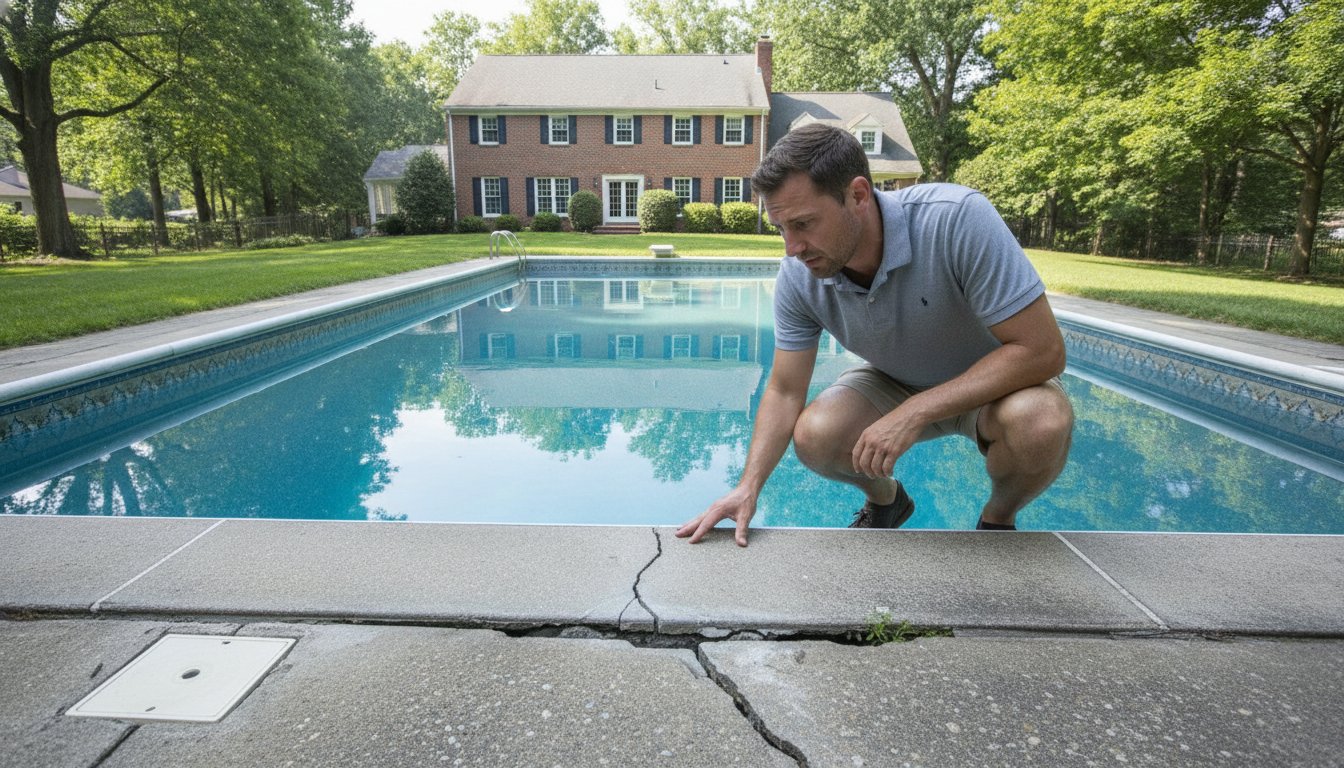
Surface stains from organic debris or improper chemical levels are usually aesthetic. These often disappear with a professional acid washing. However, a growing crack in the plaster or concrete usually signals a structural shift. If you notice water loss alongside these fissures, the pool shell is likely compromised. Tile and coping also serve a functional purpose beyond their appearance. They provide a vital water-tight seal at the top of the pool beam. When coping stones loosen, water seeps behind the structure. This moisture expands during winter freezes, causing the concrete to heave and crack from the inside out.
Why 2026 is the Year to Modernize Your Pool
Technological advancements have redefined pool ownership this year. Modern equipment prioritizes energy savings and seamless automation. If you find yourself frequently paying for professional pool repairs, a renovation is the logical move. It allows you to install variable-speed pumps and high-efficiency heaters that significantly lower monthly operating costs. We see a strong shift toward low-maintenance vinyl materials and advanced finishes that resist algae growth. Integrating a modern safety cover into your plan also ensures your family is protected by the latest industry standards, turning a utility into a secure, beautiful retreat.
Critical Surface and Structural Indicators for NJ Pools
New Jersey's climate is notoriously difficult for pool structures. The aggressive freeze-thaw cycle in Northern NJ forces groundwater to expand and contract, placing immense stress on the pool shell. If you notice visible cracks in the concrete or plaster that seem to widen after each winter, these are undeniable signs your pool needs renovation. Beyond the shell, look for discoloration or "chalking." This happens when UV rays and chemicals break down the finish, leaving a white residue on your skin or swimsuit. Eventually, the floor becomes rough and abrasive. If your family experiences physical discomfort or "pool toe" from walking on the surface, the material has reached its functional limit.
Structural integrity also involves water retention. Don't mistake a leak for standard evaporation. You can use the "bucket test" to measure the difference between natural water loss and a structural failure. If the pool level drops significantly faster than the water in a bucket placed on a pool step, your basin is likely losing water through a crack or a failing fitting. Catching these issues early prevents the saturation of the surrounding soil. Saturated soil can lead to even more expensive foundation repairs or shifted plumbing lines that are difficult to access.
Signs Your Vinyl Liner is Near Failure
In Bergen County, heavy seasonal rains often cause the groundwater table to rise. This creates hydrostatic pressure that can lead to "floating" liners, where the vinyl pulls away from the wall and forms bubbles. If you notice the liner bead frequently popping out of its track or the material feels brittle and "crispy" at the waterline, it's time for a change. These are classic indicators that your vinyl liner is near failure. Over time, UV exposure strips the plasticizers from the vinyl, making it prone to thinning and pinhole leaks that are impossible to patch effectively.
Concrete and Plaster Warning Signs
Concrete pools often suffer from spalling, which is the peeling or flaking of the plaster finish. You might also see small rust spots appearing. These aren't just surface stains; they often indicate that the internal steel rebar is corroding and expanding within the shell. If you tap on the walls and hear a hollow, drum-like sound, it means the plaster has delaminated from the gunite. Reviewing a step-by-step renovation guide can help you understand how these layers are professionally remediated. If your surface is failing, a professional concrete pool resurfacing can restore both the beauty and the watertight seal of your backyard retreat.
Mechanical and Efficiency Warning Signs: Beyond the Surface
While surface cracks are obvious, the mechanical "heart" of your pool often fails more quietly. A dependable system should operate with a low, consistent hum. If you hear loud, grinding noises or shrill screeches from the pump motor, the internal bearings are likely shot. These sounds often precede a total motor seizure. When you find yourself scheduling professional pool repairs multiple times a season, you've reached a point of diminishing returns. Identifying these mechanical signs your pool needs renovation allows you to upgrade to reliable, modern components before a mid-summer breakdown ruins your plans.
Efficiency is another major indicator of system health. A sudden, unexplained spike in your monthly utility or water bill suggests your system is working too hard or leaking. In Northern New Jersey, winter ice expansion can cause hairline fractures in PVC plumbing or pump housings. These suction-side leaks are often invisible to the naked eye but cause the pump to lose its prime. If you struggle to maintain chemical balance despite constant testing, your filtration system is likely failing to circulate water effectively. Stagnant pockets allow algae to bloom, forcing you to spend more on expensive chemicals that only mask the underlying mechanical failure.
Plumbing and Filtration Red Flags
Watch for air bubbles streaming from the return jets into the pool. This usually indicates a leak on the suction side of the plumbing, where air is being pulled into the lines. Low water pressure at the jets, even after a thorough filter cleaning, suggests an internal blockage or a failing impeller. You should also inspect the equipment pad for any dampness or visible drips around the heater and filter valves. These small leaks can saturate the ground, leading to soil erosion and potential shifting of the equipment pad itself.
The Hidden Cost of Outdated Equipment
Old single-speed pumps are notorious energy hogs. Modern variable-speed models offer a significant return on investment, often paying for themselves in energy savings within just a few seasons. This is especially critical during the NJ shoulder seasons when you want to keep the water moving without a massive electric bill. Outdated gas heaters also lose efficiency as their heat exchangers scale up or corrode. Beyond the financial drain, obsolete electrical components and old-style pool lights pose genuine safety risks. A comprehensive equipment replacement ensures your pool is not only efficient but also meets the highest modern safety standards.
Assessing the Damage: Is it a Simple Repair or a Full Renovation?
Deciding between a targeted repair and a complete overhaul is the most critical financial choice you'll make as a homeowner. It's a question of return on investment. Small, isolated issues often require nothing more than a skilled technician and a few hours of work. However, when you notice multiple signs your pool needs renovation simultaneously, a patch is merely a temporary band-aid on a systemic failure. We look at the "death by a thousand cuts" scenario. If your cumulative annual repair bills are approaching the cost of a modernizing update, the logical choice is to consolidate those expenses into a single, high-value project.
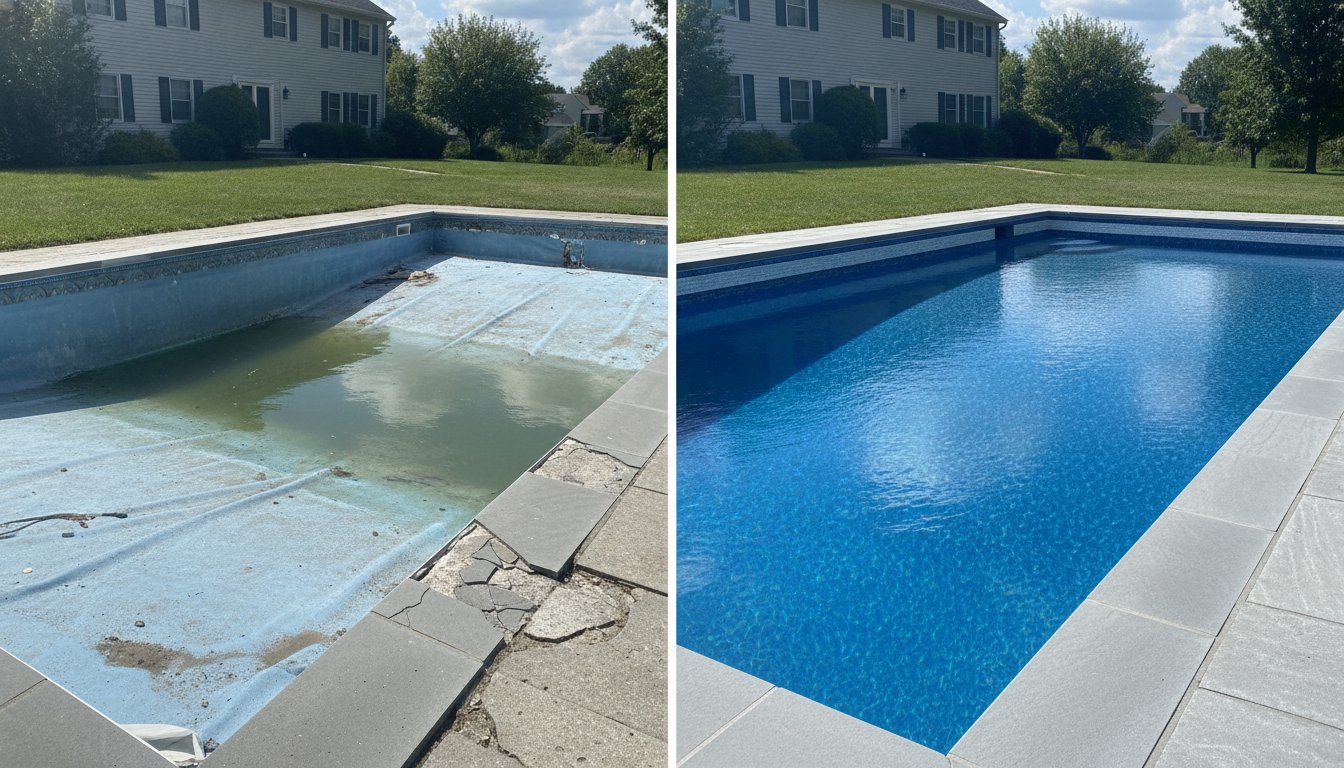
Age is a primary factor in this decision. For vinyl pools, the 10 to 15 year mark is the industry standard for replacement. Beyond this window, the material loses the elasticity required to withstand New Jersey's temperature swings. For concrete basins, the timeline is longer, but the signs of aging are more structural. Choosing a comprehensive swimming pool renovation in Bergen County does more than fix current leaks; it resets the clock on your maintenance schedule. Modern materials and finishes are designed to be more resilient, significantly lowering your long-term chemical and labor costs.
When a Quick Fix is Sufficient
Localized damage doesn't always signal a catastrophe. If you have a single cracked tile from a dropped heavy object or a small patch of missing grout, a simple repair is perfectly appropriate. Minor equipment issues like a leaking pump gasket or a worn-out pressure gauge are also routine fixes. If your pool's only problem is superficial mineral staining or "metal tea" discoloration, a professional acid wash can restore the finish without the need for a full resurfacing. These targeted interventions keep your pool operational without the need for a major construction project.
When Renovation is the Only Safe Option
Structural integrity is non-negotiable. If you see cracks that extend through the pool shell or major delamination where the plaster is falling off in sheets, a renovation is the only safe path forward. Widespread liner failure, characterized by multiple pinhole leaks and extreme brittleness, also demands a full replacement. Beyond physical damage, 2026 brings updated NJ safety and barrier codes. If your current pool doesn't meet modern drowning prevention standards, a renovation allows you to integrate life-saving features like certified safety covers and self-latching gates. To protect your family and your investment, contact Right Pool Care for a professional evaluation of your pool's structural health.
Revitalizing Your Backyard with Right Pool Care
Identifying the signs your pool needs renovation is the first step toward reclaiming your backyard sanctuary. At Right Pool Care, we specialize in high-precision vinyl liner replacement and professional concrete pool resurfacing. We don't just apply superficial patches. We engineer long-term solutions that address the specific structural demands of Northern New Jersey properties. Our team takes pride in transforming weathered, aging basins into beautiful, life-enhancing spaces. We balance technical construction expertise with the dependable service of a local provider you can trust.
Our comprehensive renovation consultation is designed to alleviate the stress of complex repairs. We provide a clear, honest assessment of your pool's health, moving logically from identifying problems to offering functional solutions. Because security is a core brand pillar, we often integrate safety cover installation into our larger renovation projects. This proactive approach ensures your pool meets the most current 2026 safety standards while providing a seamless, polished look for the off-season. We handle the technical details so you can focus on enjoying your investment.
The Right Pool Care Renovation Process
Precision is at the heart of our workflow. Every project begins with a rigorous site inspection and advanced leak detection protocols to identify hidden failures before construction starts. We guide you through a customized material selection process, offering high-value options for liners, tiles, and coping that reflect your personal style. Our project management is efficient and highly organized. We minimize backyard downtime by coordinating every phase of the renovation with a no-nonsense, "can-do" attitude that gets the job done right the first time.
Why Local Bergen County Experience Matters
Local expertise is essential when dealing with the unique geological challenges of our region. We understand how Bergen County's specific soil conditions and aggressive freeze-thaw patterns impact the longevity of your pool's shell. Our established relationships with local suppliers and permitting offices in Closter, Alpine, and Tenafly allow us to navigate the logistical requirements of your project without unnecessary delays. We are deeply committed to the communities of Norwood and beyond, valuing long-term results and safety over quick, temporary fixes. When you partner with us, you're choosing an established leader dedicated to the craft of professional pool restoration.
Protect Your Backyard Investment with Expert Care
Recognizing the early signs your pool needs renovation is the difference between a simple upgrade and a catastrophic structural failure. From fissures caused by the New Jersey freeze to the mechanical drain of outdated pumps, taking action now preserves your property's value. You've learned how to identify failing vinyl liners and why 2026 is the pivotal year to embrace energy-efficient technology and modern safety standards. A renovation is more than a repair; it is a transformation that turns a list of chores into a seamless, high-value experience for your family.
Right Pool Care brings over 20 years of local Bergen County experience to every project. We are specialists in vinyl liner and concrete restoration, operating as a fully licensed and insured New Jersey contractor. Our team is dedicated to providing the high-level expertise and reliability you expect from an industry leader. We know the local soil, the safety regulations, and the mechanics required for long-term results. Don't wait for a minor leak to become a major expense.
Request Your Professional Pool Renovation Consultation with Right Pool Care today. Let's work together to restore the beauty and safety of your aquatic retreat.
Frequently Asked Questions
How long does a typical pool renovation take in New Jersey?
A standard pool renovation in New Jersey typically takes between two and four weeks to complete. This timeline covers the removal of old materials, necessary structural repairs, and the installation of new finishes or liners. Complex projects involving concrete resurfacing and full equipment replacement may extend this period. We prioritize efficient project management to minimize your backyard downtime and ensure your pool is ready for the swimming season.
Can I renovate my pool in the winter or spring?
You can renovate your pool in the spring, but winter work is limited by New Jersey's freezing temperatures. Concrete and plaster work require specific thermal conditions to cure correctly without cracking. Spring is an ideal window because it allows for completion before the peak summer heat arrives. Scheduling early ensures you don't miss the opening season due to high contractor demand during the warmer months.
Will a pool renovation actually increase my home's resale value?
A professional pool renovation significantly enhances your home's resale value by transforming a potential liability into a premier asset. Appraisers look for modern, well-maintained structures that meet current safety standards and energy requirements. An updated pool with high-efficiency equipment and a fresh finish makes your property more attractive to discerning buyers. It projects a sense of security and luxury that sets your home apart in the Bergen County market.
How do I know if my pool is leaking or just evaporating?
The bucket test is the most reliable way to distinguish between natural evaporation and a structural leak. Place a bucket of water on a pool step and mark the water levels on both the inside and outside of the container. If the pool level drops significantly more than the bucket level after 24 hours, you have a leak. This is one of the most common signs your pool needs renovation or professional leak detection services.
Is it possible to change my pool's shape during a renovation?
You can change the shape of a concrete pool during a renovation, though it requires significant structural modification. This process involves breaking out sections of the shell and forming new gunite walls to create the desired silhouette. For vinyl liner pools, changing the shape is rarely practical as it requires a completely new wall structure. Most homeowners choose to add features like sun shelves or benches instead of altering the entire perimeter.
What is the best time of year to schedule a liner replacement?
The best time to schedule a liner replacement is during the early spring or late autumn. These shoulder seasons provide the moderate temperatures necessary for the vinyl to stretch and fit perfectly into the pool's contours. Replacing a liner during these windows also ensures your pool is fully operational by the time the first heatwave hits Northern New Jersey. It's a proactive way to address the signs your pool needs renovation without sacrificing summer swim time.
Do I need a permit for a pool renovation in Bergen County?
Most structural, electrical, or plumbing renovations in Bergen County require a local building permit. Cosmetic updates like simple tile repair might not, but equipment replacements and resurfacing often trigger permit requirements. Rules vary by municipality in towns like Alpine and Closter. We navigate the permitting process for you to ensure every aspect of your project complies with current New Jersey building codes and safety standards.
Can I switch from a chlorine system to saltwater during renovation?
You can easily switch to a saltwater system during a pool renovation by installing a salt chlorine generator. This upgrade is a popular choice for homeowners seeking a softer water feel and automated chemical management. It's an ideal time to make the switch because we can integrate the new components seamlessly with your other equipment upgrades. This transition reduces the need for manual chlorine handling and improves your overall swimming experience.