Last June, a family in Alpine watched their weekend plans evaporate as the water level dropped three inches overnight while the vinyl pulled away from the track. It's a stressful realization that your summer retreat has become a structural liability. You likely agree that a backyard should be a sanctuary, not a project that demands constant chemical adjustments or worry over visible rust. At Right Pool Care, we provide the expert new liner and repair for above ground pool services that turn these headaches into high-performance assets. We believe in creating miracles in the making by ensuring every pool we touch is safe, beautiful, and built to last.
This article outlines our professional decision-making framework for Bergen County homeowners preparing for the 2026 season. You'll discover how to evaluate wall integrity, address hidden corrosion, and select modern vinyl patterns that instantly modernize your property. We'll preview the exact steps to stop water loss, simplify your chemical routine, and give you the peace of mind that your structure is safe for the family. Let's turn your leaking pool back into a crystal clear oasis.
Key Takeaways
- Learn to identify critical signs of "dry rot" and bead slippage to determine if your vinyl can be saved or if it’s time for a professional replacement.
- Compare the benefits of overlap, beaded, and unibead systems to achieve a custom look and easier maintenance for your specific pool model.
- Discover the structural restoration process, including rust remediation and floor reinforcement, that secures your new liner and repair for above ground pool.
- Master the essential chemical startup protocols and pH balancing steps necessary to prevent unsightly wrinkles and extend the life of your vinyl.
- Understand why Bergen County homeowners trust Right Pool Care for "miracles in the making" and our professional no-wrinkle installation guarantee.
Recognizing the Signs: When to Repair vs. Replace Your Above Ground Pool Liner
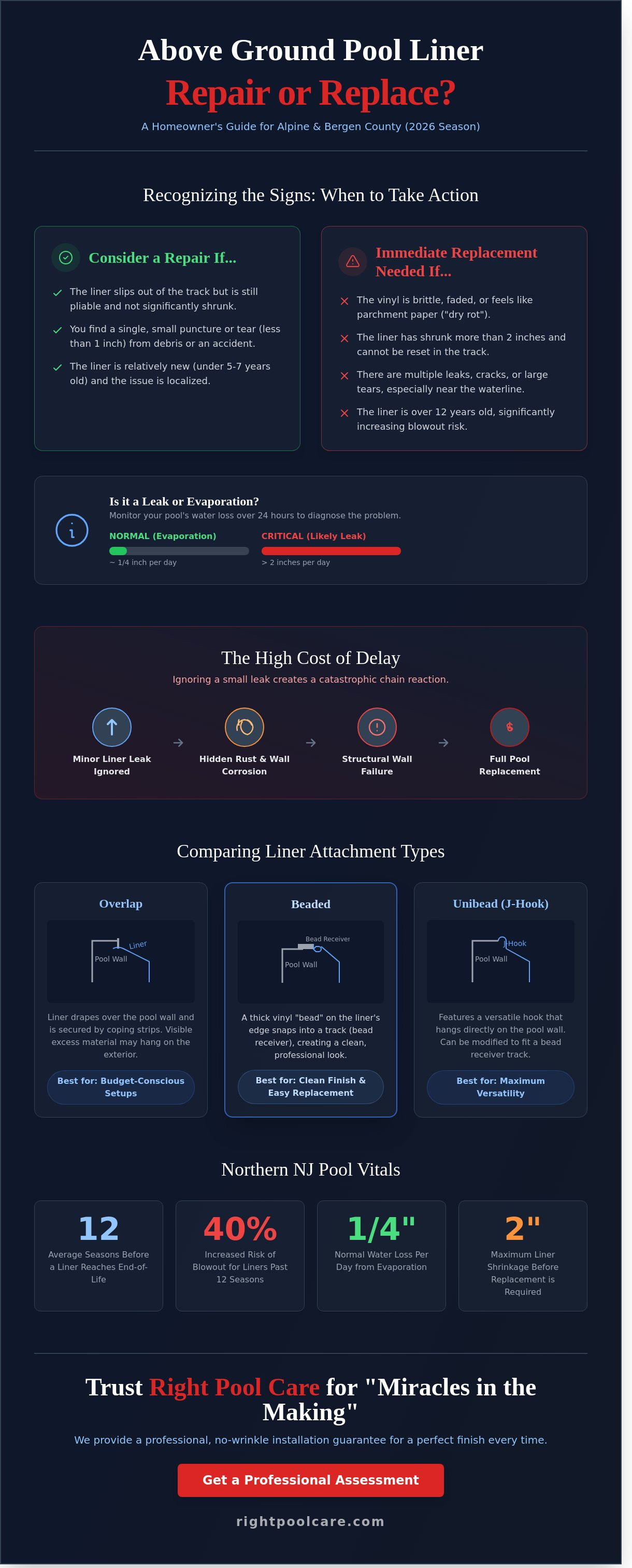
Owning a pool in Northern NJ means battling the elements. In Closter, the summer sun beats down on vinyl, causing the dry rot effect. This process strips the plasticizers from the material, leaving it brittle and prone to catastrophic tearing. If your liner looks bleached or feels like parchment paper, it's no longer protecting your investment. Sun-bleached vinyl loses its ability to flex, making it susceptible to cracks at the waterline where the chemical concentration is highest.
Knowing whether you need a new liner and repair for above ground pool systems starts with a simple inspection. Check the bead along the top rail. If the liner slips out of the track, you might be able to reset it using warm water or a heat gun to regain pliability. However, if the vinyl has shrunk by more than 2 inches, it will likely tear if forced back into place. Shrinkage is a sign that the material has reached its chemical limit.
Distinguishing between natural evaporation and a structural failure is critical for every homeowner. On a standard 85-degree day, a pool might lose 1/4 inch of water to the air. If you're losing 2 inches or more overnight, the liner's integrity is gone. For a broader Swimming pool overview, understanding the mechanics of water retention is the first step in proper maintenance. Right Pool Care experts recommend the 10-15 year rule. In Northern NJ, liners typically reach the end of their functional life after 12 seasons. Past this point, the risk of a blowout increases by 40 percent due to cumulative UV damage.
Minor Repairs vs. Major Overhauls
A simple patch kit works for punctures smaller than 1 inch. These are viable temporary solutions for accidental snags or debris damage. You can't patch your way out of a sand cove washout. If the sand foundation under the liner shifts, the vinyl stretches thin over the gaps. This creates weak points that lead to sudden bursts. We provide professional inspections to determine if a patch is safe or if you're risking a flood. Getting the right advice on a new liner and repair for above ground pool setups saves you from a mid-summer disaster.
The Cost of Delaying a Liner Change
Delaying a replacement is a gamble with your pool's structure. Leaking water reaches the interior of the steel walls, causing hidden oxidation and scale. In Tenafly backyards, we've seen 18-foot pools suffer total wall collapse because a minor leak was ignored for two seasons. Rust eats through the metal, turning a simple liner swap into a full pool replacement. Liner elasticity is the material's ability to expand and contract without losing its shape or structural bond. At Right Pool Care, we perform miracles in the making by catching these issues before the walls fail.
Comparing Above Ground Pool Liner Types: Overlap, Beaded, and Unibead
Choosing the correct attachment style is the first step when planning a new liner and repair for above ground pool systems. Overlap liners are the traditional choice for budget-conscious homeowners. These liners drape over the pool wall and stay in place with plastic coping strips. While functional, they often leave visible excess material on the exterior of the pool wall. This style is reliable but requires more effort to keep the pattern level during installation.
Beaded liners offer a more polished appearance similar to inground pools. They snap into a pre-installed track called a bead receiver. This system allows for easier replacement because you don't have to disassemble the top rails or the pool's structure. Unibead or J-Hook liners provide the most versatility. They feature a thick "hook" that hangs directly on the pool wall. This hook can also be trimmed to fit into a bead track if your pool has one. This adaptability makes Unibead the preferred choice for modern upgrades.
- Overlap: Best for basic installations and initial cost savings.
- Beaded: Simplifies future maintenance and provides a clean, professional finish.
- Unibead: High-end versatility that fits almost any pool frame design.
Don't let industry jargon like "gauge" confuse your purchase. A 20-gauge liner isn't the same as a 20-mil liner. Mil is a precise measurement representing 1/1000th of an inch. For a long-lasting new liner and repair for above ground pool, look for 20-mil or 25-mil options. This thickness provides the structural integrity needed to withstand heavy use and chemical exposure over a 15-year lifespan.
Right Pool Care: Choosing the Right Fit
Accuracy is critical when measuring your pool wall. Most above ground pools use 48, 52, or 54-inch walls. If you choose the wrong height, you'll end up with structural wrinkles or overstretched vinyl that fails prematurely. If your pool has a center hopper, you need an expandable liner. These can stretch up to 72 inches deep without tearing. In Bergenfield, homeowners often prefer darker patterns. These prints can increase water temperatures by 3 to 5 degrees by absorbing more solar energy during July and August.
Right Pool Care: Material Quality and UV Resistance
New Jersey's climate is harsh on vinyl. We see temperature swings from -5°F in January to 98°F in July. This makes virgin vinyl a requirement. Unlike recycled materials, virgin vinyl contains no fillers, ensuring the material remains flexible for over a decade. In sunny areas like Alpine, UV inhibitors are mandatory to prevent the vinyl from becoming brittle and fading within the first 3 years. Always verify that your liner has a cold-crack rating to prevent splitting during a deep freeze. Proper maintenance is also vital; understanding pool chemical safety helps protect your investment from corrosive damage. If you're ready to transform your backyard, Right Pool Care provides the expert installation you need for a perfect fit.
Addressing Structural Repairs: Walls, Floors, and Coving in Northern NJ
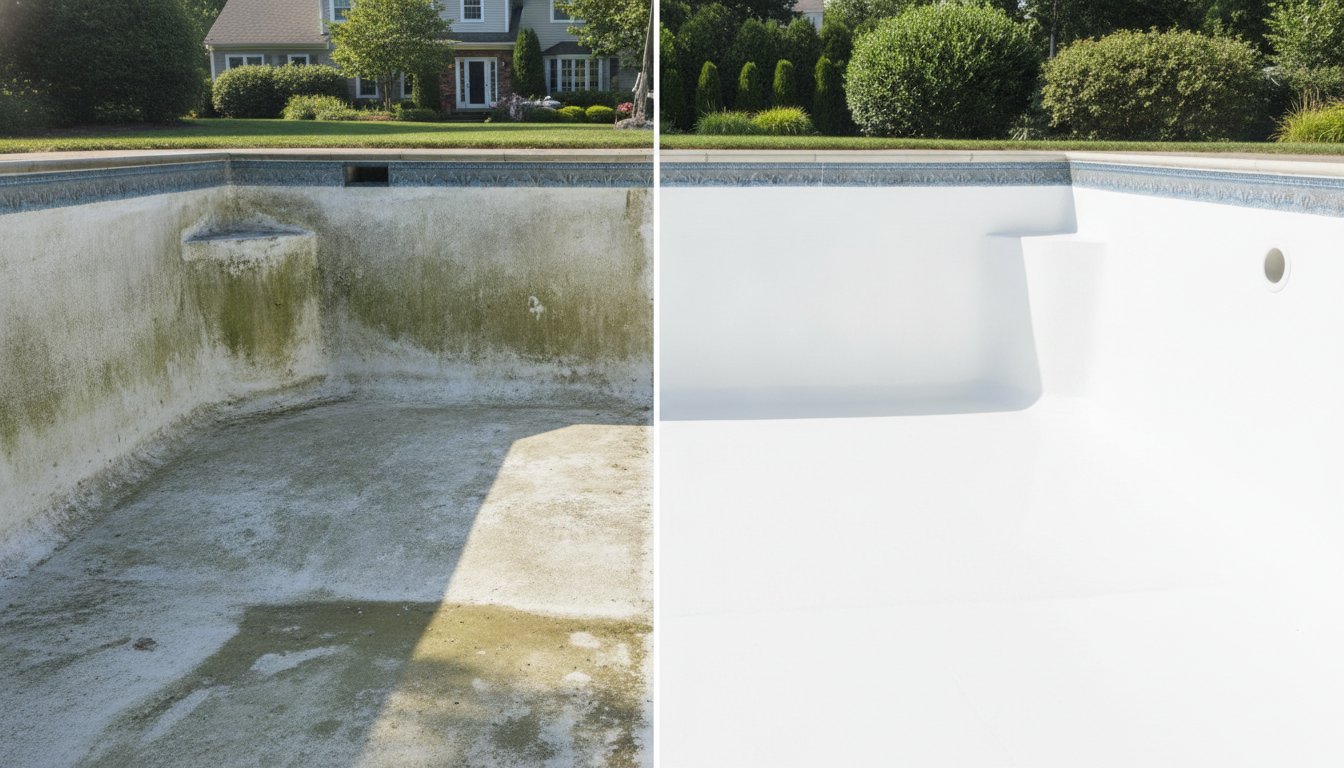
Installing a new liner and repair for above ground pool systems involves more than just swapping out vinyl. We start by examining the integrity of the pool wall. Rust is the primary enemy of pools in Northern NJ. Our technicians wire-brush every sign of oxidation and treat the area with a zinc-rich cold galvanizing spray to stop corrosion in its tracks. If the wall has deep pitting, we install high-gauge stainless steel wall patches to restore structural strength before the liner touches the metal.
Choosing the right floor material is critical in Bergen County because of our rocky, shale-heavy soil. While many installers rely on a standard sand base, we often recommend high-density floor padding. This foam layer acts as a puncture-resistant shield. It prevents sharp stones from migrating to the surface and damaging your investment. When we combine this with wall foam, we create a smooth, insulated environment that feels better underfoot and extends the life of the vinyl.
The cove is a small but vital component of a professional installation. This wedge-shaped transition sits at the base of the pool wall. Its job is to prevent the weight of the water from forcing the liner under the bottom rail. We use pre-formed foam coves because they maintain their shape perfectly; unlike sand coves, they won't wash away during a heavy rainstorm or a minor leak.
NJ Freeze-Thaw Structural Damage
Ground heaving in Demarest can shift a pool's level by as much as 3 inches during a single winter cycle. This movement causes out-of-round issues where the frame twists and puts uneven stress on the liner seams. We carefully realign the bottom tracks and uprights to ensure the pool is structurally sound before proceeding. Wall foam is mandatory for rusted pool frames to prevent sharp metal flakes from slicing through your new liner.
Skimmer and Return Line Maintenance
We recommend replacing all gaskets and faceplates during every new liner and repair for above ground pool project. Harsh Norwood winters often cause PVC piping to become brittle, leading to hairline cracks. We inspect every fitting for signs of stress or freeze damage. Ensuring a 100% watertight seal at the skimmer and return prevents water from getting behind the liner, which is the leading cause of hidden wall failure and premature rust.
Post-Installation Care: Essential Chemicals for Above Ground Pools
Completing a new liner and repair for above ground pool is a major investment. Don't jeopardize that investment by dumping a bucket of concentrated chlorine into a fresh fill. The first 72 hours are critical for the long-term health of the vinyl. Poorly managed water chemistry accounts for 40% of premature liner failures. By following a strict chemical regimen, you can extend the life of your repair by 5 years or more.
Initial Water Balancing for New Vinyl
The first 48 hours require a methodical approach. Start by testing your source water. In Old Tappan, tap water often contains trace metals that can cause permanent staining on a pristine surface. Adding a sequestering agent during the fill process binds these metals so they can't oxidize. Follow this checklist to protect your new liner and repair for above ground pool:
- Total Alkalinity: Aim for 80 to 120 ppm. This acts as a buffer for your pH.
- pH Levels: Keep this between 7.4 and 7.6. Anything lower than 7.0 makes the water acidic, which causes vinyl to stretch and wrinkle.
- Calcium Hardness: While often associated with concrete, vinyl needs calcium too. Maintain 150 to 250 ppm to prevent the water from leaching minerals directly from the liner.
Avoid "chlorine burn" at all costs. Never throw granular shock or tablets directly onto the floor. This causes immediate bleaching and makes the vinyl brittle. Always pre-dissolve chemicals in a 5-gallon bucket of pool water before broadcasting them across the surface. This simple step prevents chemical hot spots that eat through the material.
Ongoing Sanitization Strategies
Choosing the right sanitizer depends on your lifestyle and the local climate. Chlorine tablets are the industry standard for their ease of use, but they're naturally acidic. You'll need to monitor your pH weekly to ensure the liner stays supple. Salt systems offer a softer feel, though you must ensure the salt levels don't exceed 3,500 ppm to protect the pool's metal frame from corrosion.
During a humid NJ summer, organic loads increase quickly. Weekly doses of a non-foaming algaecide act as a vital insurance policy against green blooms. If you're still in the planning phase, you can learn more about pool liner replacement Closter NJ to see which systems work best for our specific region. Proper chemistry isn't just about clear water; it's about protecting the structural integrity of your pool for the next decade.
Ready to ensure your pool stays crystal clear and protected? Contact Right Pool Care today for expert water testing and professional maintenance services.
Why Closter and Tenafly Homeowners Trust Right Pool Care for 'Miracles in the Making'
Right Pool Care brings 23 years of specialized experience to every backyard in Northern New Jersey. We understand the specific soil conditions that define Bergen County. Closter and Tenafly properties often sit on rocky or clay-heavy ground. These environments cause above ground pools to shift or settle unevenly over time. We don't simply swap parts. We perform a total restoration that addresses the structural health of your pool. Our team has built a reputation for technical excellence from Alpine to Oradell. We treat every installation as a "Miracle in the making." This means we inspect the sand base, wall bolts, and gaskets before the new vinyl ever touches the water.
Professional Installation vs. DIY Risks
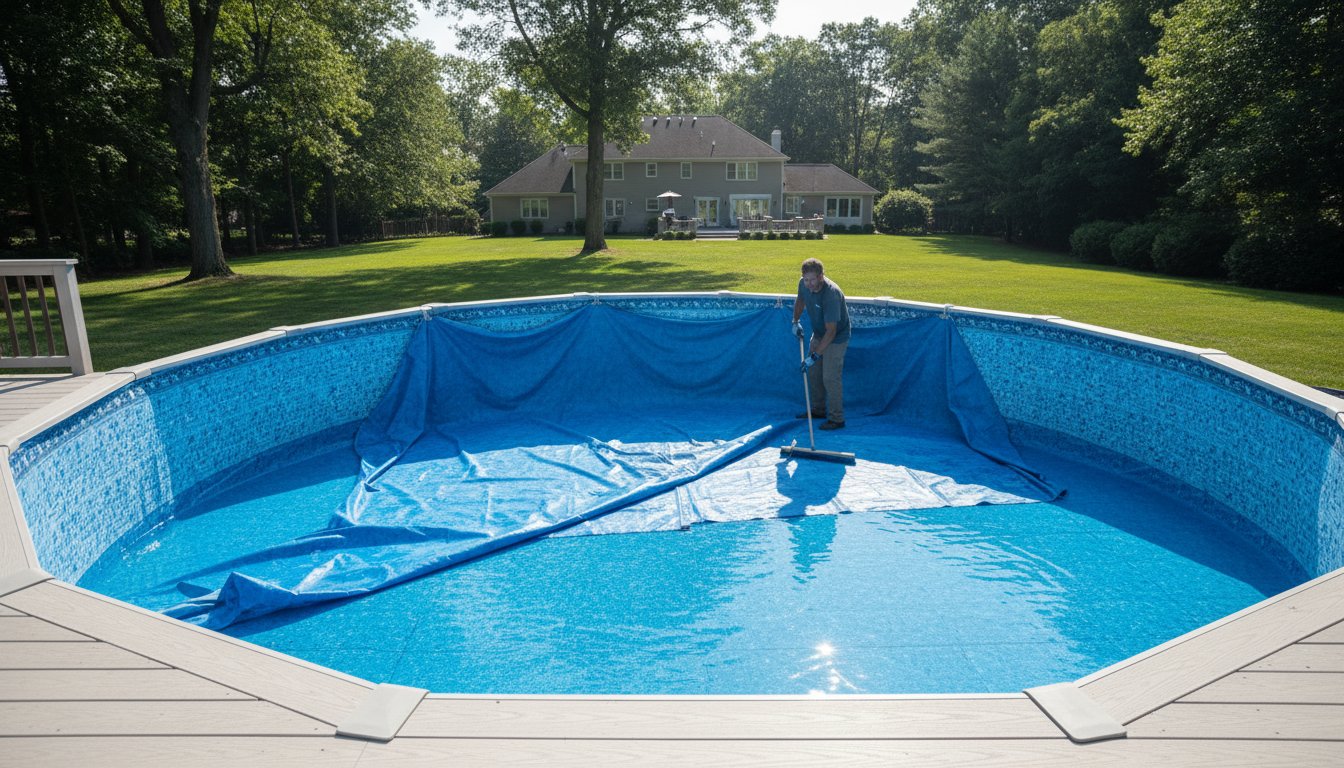
Many homeowners underestimate the physical toll of a liner change. NJ humidity often exceeds 80% during the peak installation season. This heat makes vinyl tacky and incredibly difficult to maneuver. A single mistake during the stretch can lead to permanent overstretching or thin spots. You also risk voiding the manufacturer's warranty. Most major brands explicitly require professional installation to cover material defects or seam failures. Right Pool Care uses industrial-grade vacuum systems. These specialized machines create a perfect seal between the liner and the pool wall. We remove every cubic inch of air before adding water. This process prevents the common wrinkles that trap dirt and harbor algae in DIY projects. Our "No-Wrinkle" Guarantee means your pool looks like a custom inground installation.
Our approach to a new liner and repair for above ground pool systems involves more than just aesthetic updates. We focus on these critical technical steps:
- Wall Descaling: We remove oxidation and rust from pool walls to prevent liner punctures.
- Floor Reshaping: We use specialized masonry sand to eliminate divots and footprints.
- Gasket Replacement: We replace all skimmer and return gaskets to ensure a leak-free seal.
Schedule Your Spring 2026 Renovation
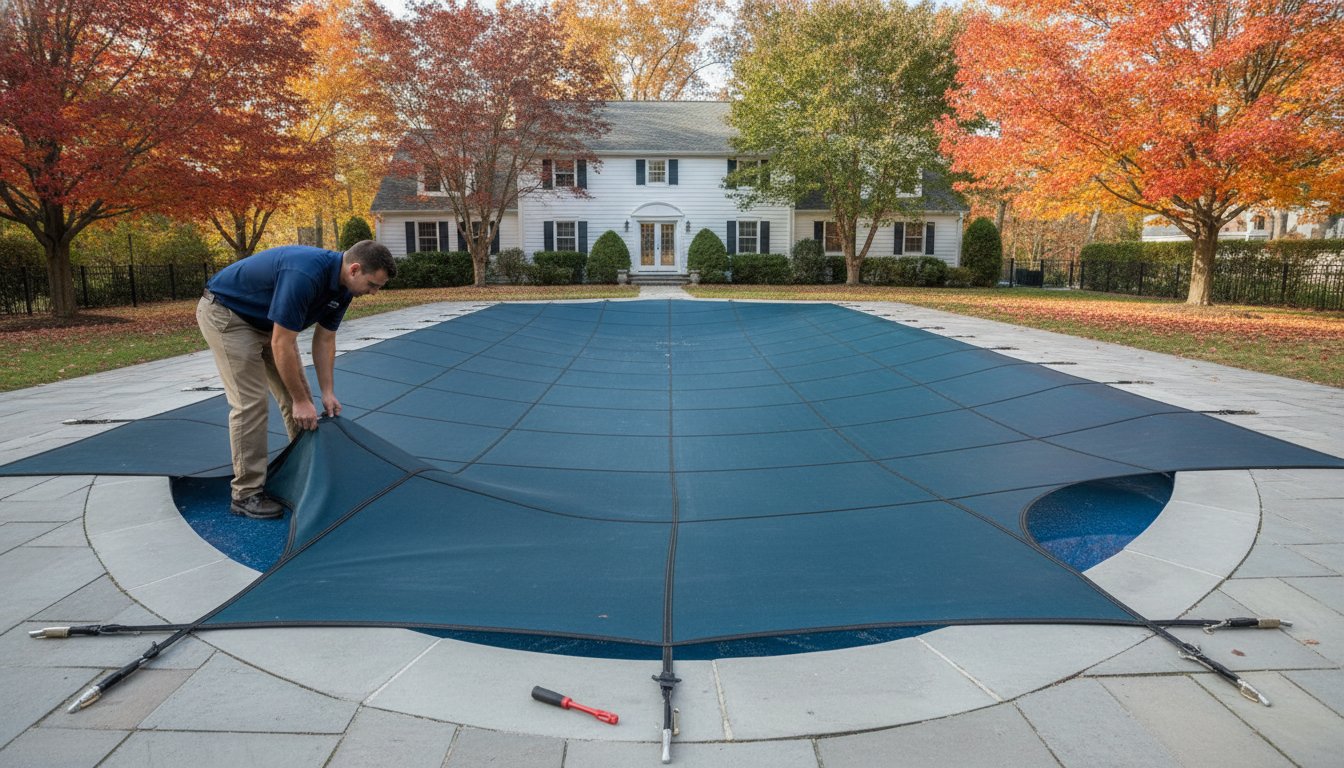
Timing is everything for a successful pool season. We recommend scheduling your new liner and repair for above ground pool by March 15, 2026. Early booking guarantees you are swimming by the first heatwave in June. Our process includes a full safety evaluation of your existing equipment. We are Safety Cover Experts who believe protection is a core requirement, not an add-on. We install custom-fit covers that meet strict safety standards to protect your children and pets during the off-season. Choosing the right professional now prevents the stress of a closed pool in July. Our team handles the heavy lifting so you can focus on the summer.
Ready to transform your backyard? Contact Right Pool Care for a professional liner and repair quote today.
Secure Your Pool's Future in Northern NJ
Investing in a new liner and repair for above ground pool systems is the smartest way to extend your swim season and protect your property. Whether you're a homeowner in Alpine or Tenafly, recognizing early signs of wall corrosion or liner thinning prevents total structural failure. Right Pool Care brings over 20 years of Bergen County experience to every backyard we service. We handle everything from precision installations of Overlap, Beaded, and Unibead liners to complex floor and coving restorations. Our team is also recognized as specialized safety cover experts, ensuring your family stays protected throughout every season. We focus on the technical details, including the essential chemical balances required to keep your new vinyl supple and clear. We don't just fix leaks; we create miracles in the making for families who value professional reliability. Don't let a failing liner disrupt your 2026 summer plans. Trust the local experts who've spent two decades perfecting the art of pool restoration in your neighborhood.
Request Your Expert Liner Replacement Quote from Right Pool Care
Your perfect backyard transformation is just one call away.
Frequently Asked Questions
How long does a new above ground pool liner typically last in New Jersey?
A quality above ground pool liner in New Jersey typically lasts between 10 and 15 years. Local weather patterns, including harsh winters and humid summers, mean the vinyl faces significant temperature swings. Proper chemical maintenance and using a high-quality winter cover help homeowners reach that 15-year mark. We ensure every new liner and repair for above ground pool project utilizes high-gauge material to withstand these Northeast climate extremes.
Can you replace a pool liner if the wall has some rust on it?
You can replace a liner if the wall has surface rust, provided the metal remains structurally sound. We treat minor oxidation with a rust-inhibiting primer and apply professional-grade wall foam to create a protective barrier. If the rust has created holes or weakened the steel, we install a stainless steel wall patch to reinforce the area. Ignoring these spots leads to liner punctures within 24 months of installation.
What are the best chemicals for above ground pool startups with a new liner?
The best chemicals for a new liner startup include a sequestering agent, pH balancer, and non-chlorine shock. Sequestering agents prevent mineral staining from local tap water during the initial 12-hour fill process. Keep your pH level between 7.2 and 7.6 to prevent the vinyl from becoming brittle or wrinkled. Don't add large chlorine tablets directly to the pool floor, as this causes immediate bleaching and structural damage to the material.
How much does a professional liner replacement cost in Bergen County?
Professional liner replacement costs in Bergen County vary based on pool size and specific site conditions. According to 2024 industry data from HomeAdvisor, national averages for labor and materials range from $800 to $3,000 for above ground models. Local factors like water hauling fees and debris removal influence your final investment. Right Pool Care provides detailed quotes tailored to your specific backyard dimensions and equipment needs.
Is it better to patch a hole or replace the entire liner?
Patching is effective for single punctures smaller than two inches in a liner less than five years old. If the vinyl feels brittle or you find multiple leaks, it's time for a full replacement. A new liner and repair for above ground pool ensures a leak-free season and prevents soil erosion under the frame. Replacing an aging liner is a smarter long-term investment than chasing recurring leaks that threaten the pool structure.
Do I need to replace the sand under my pool when I get a new liner?
You don't need to replace all the sand, but you must regrade and level the existing base before the new vinyl goes in. We typically add 2 to 3 bags of fresh masonry sand to fill in divots or footprints left by the old liner. This creates a smooth, uniform surface that prevents premature wear. Using a professional power trowel ensures the base is firm and perfectly contoured for a professional finish.
Can I change my overlap liner to a beaded liner system?
You can change an overlap liner to a beaded system by installing bead receiver tracks along the top of the pool wall. This conversion allows you to replace the liner in the future without removing the top rails or disturbing your deck. It's a popular upgrade for homeowners who want a more finished look with specific tile patterns. The process adds about 45 minutes to the installation but simplifies all future maintenance.
What happens if I don't repair the pool wall before putting in a new liner?
Failing to repair the pool wall leads to catastrophic structural failure or immediate liner punctures. Rough rust spots act like sandpaper against the vinyl, causing leaks within the first season of use. If the wall is weak, the weight of 15,000 gallons of water can cause a blowout. We prioritize wall prep to ensure your pool remains a safe environment, creating miracles in the making for your family.