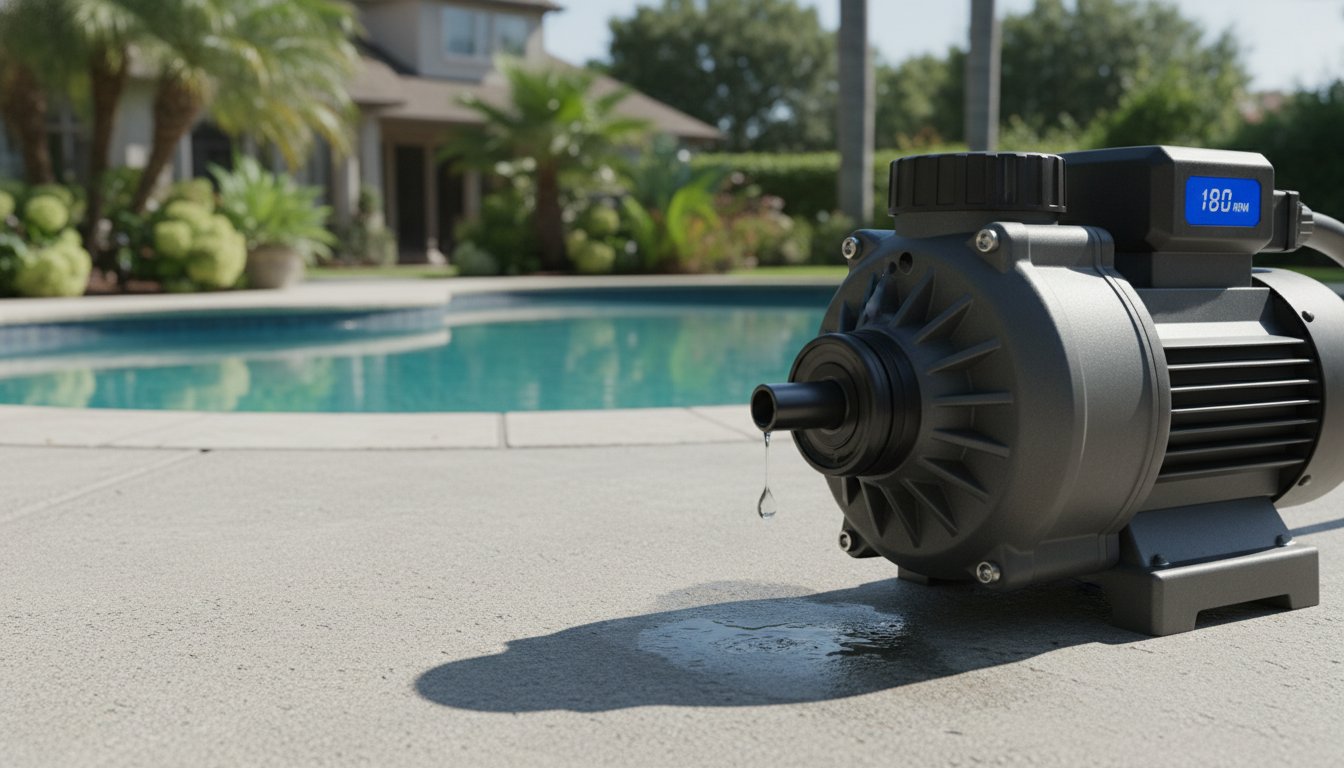
What if that small puddle under your pool equipment is actually a ticking clock for a total motor burnout? Seeing water drip from your pump housing is more than just a nuisance. It is a direct threat to your pool's circulation system and your budget. If you need to fix leaking pool pump Tenafly equipment, acting fast is the only way to prevent local freeze-thaw cycles from turning a minor seal leak into an expensive replacement. We know you want to stop the waste of water and chemicals immediately without getting lost in confusing technical jargon.
It is stressful to face equipment failure when you just want to enjoy a pristine swim. This 2026 guide provides the expert clarity you need to identify the specific leak source and determine if your motor is still salvageable. You will learn how to differentiate between a simple O-ring fix and a complex mechanical seal failure that requires professional intervention. We'll show you exactly how to protect your equipment, navigate modern variable-speed efficiency standards, and find a dependable Tenafly expert to restore your pool's performance and safety.
Key Takeaways
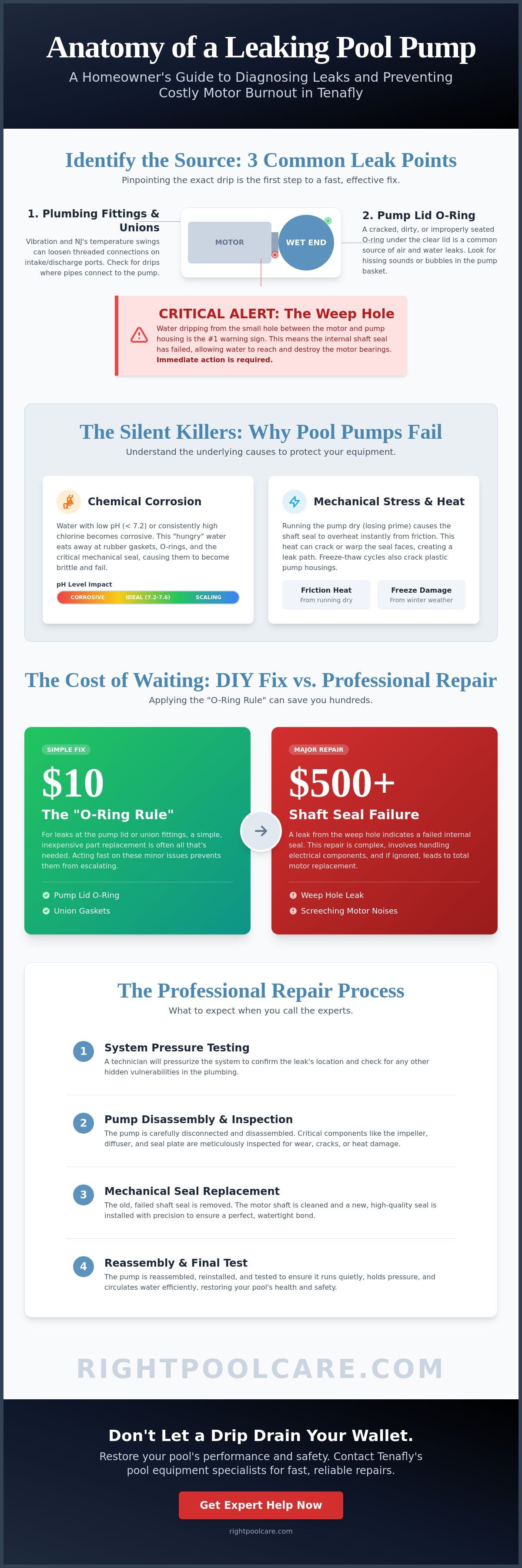
- Distinguish between minor condensation and a functional leak using the "Puddle Test" to track water flow from the pump's weep hole.
- Master the diagnostic steps to fix leaking pool pump Tenafly equipment and stop expensive water and chemical loss immediately.
- Apply the "O-Ring Rule" to identify when a simple $10 part can resolve your equipment issues and prevent a $500 repair bill.
- Understand the professional repair process, from system pressure testing to the detailed inspection of the impeller and seal plate.
- Learn how maintaining precise pH and chlorine levels prevents chemical corrosion from destroying your pump's critical mechanical seals.
Identifying the Source: Where is Your Tenafly Pool Pump Leaking?
A pool pump is the heart of your backyard sanctuary. When it fails, the rhythm of your summer stops. Homeowners often mistake morning dew or condensation for a genuine problem, but a persistent leak is a mechanical cry for help. To effectively fix leaking pool pump Tenafly systems, you must first identify the exact point of failure. A small drip might seem harmless today. By mid-summer, that same drip can lead to a seized motor and a completely silent, stagnant pool.
Start your diagnostic process with the "Puddle Test." Dry the area around the pump base completely with a towel. Wait ten minutes and observe exactly where the water reappears. If it originates from the center of the pump housing, you are likely dealing with an internal seal failure. Because your equipment is a specialized type of centrifugal pump, it relies on high-speed rotation and internal pressure to move water. Any breach in this pressurized environment compromises the entire circulation cycle.
Check the intake and discharge ports next. These are the plumbing connections where PVC pipes meet the pump. You should also listen for "air-sucking" leaks. These manifest as a distinct hissing or bubbling sound inside the pump basket. These leaks are particularly dangerous. They cause the pump to lose its prime, which leads to rapid overheating. In Tenafly, ignoring these subtle signs often results in equipment repair and replacement costs that far exceed a simple seal swap.
The Weep Hole: The #1 Warning Sign
Locate the small opening on the underside of the pump bracket, positioned between the motor and the "wet end" housing. This is the weep hole. Its sole purpose is to provide an exit for water if the internal shaft seal fails. If you see water dripping here, it is a definitive warning. A failing shaft seal allows water to travel down the motor shaft directly into the motor bearings. Once those bearings rust, the motor will screech and eventually seize, requiring professional pool repairs to restore your system.
Plumbing Fittings and Union Leaks
Bergen County weather is notoriously hard on outdoor plastics. Tenafly's fluctuating spring temperatures cause PVC fittings to expand and contract rapidly. This thermal stress often loosens threaded unions or cracks the pump lid O-ring. Inspect the clear lid for tiny debris or hair that might prevent a perfect seal. Constant vibration from daily operation also contributes to these leaks. Check your plumbing connections regularly to ensure they remain hand-tight and free of hairline fractures that could compromise your pump's efficiency.
Common Culprits: Why Pool Pumps Fail in Northern NJ
Northern New Jersey's climate is exceptionally demanding on residential pool equipment. Between the mineral-heavy water typical of Bergen County and the volatile temperature swings, your pump faces constant mechanical stress. To fix leaking pool pump Tenafly systems, you've got to look beyond the surface drip. Most failures stem from specific environmental stressors that compromise the pump's internal integrity over time. Identifying these culprits early can save your motor from a total meltdown.
Chemical imbalance is a silent killer for pool hardware. When your pool's pH levels drop below 7.2 or chlorine levels remain consistently high, the water becomes corrosive. This "hungry" water aggressively targets rubber gaskets and plastic components. It gradually strips away the elasticity of your seals. Once these parts become brittle, they can no longer maintain a pressurized seal. This leads to the steady leaks you see on your equipment pad. It's a common issue that often goes unnoticed until the damage is done.
The Anatomy of a Shaft Seal Failure
The mechanical shaft seal is the most critical barrier in your system. It separates the pool water from the high-voltage electric motor. This seal relies on two perfectly flat faces, one ceramic and one carbon, to create a watertight bond. When the pump runs dry or loses prime, the lack of water lubrication causes instant friction heat. This heat crystallizes the seal faces, causing them to crack or warp. While the seal is a standard wear item, replacing it involves handling electrical connections. In many jurisdictions, this work is required to be completed by a licensed electrician to maintain safety and meet 2026 building codes.
Freeze Damage and Housing Cracks
Tenafly's 2026 winter weather featured several harsh freeze-thaw cycles that tested even the best winterization efforts. If water remains trapped in the pump volute during a deep freeze, it expands with enough force to split heavy-duty plastic. You may notice hairline fractures in the main pump body that only leak when the system is under pressure. Attempting to "patch" these cracks with epoxy is rarely a permanent solution. The internal pressure of the pump will eventually force the crack back open. If your pump housing is compromised, consulting a professional for equipment repair and replacement is the most reliable way to secure your pool for the season.
Age and vibration also play significant roles in equipment health. After a decade of service, the constant hum of the motor and exposure to the elements degrade the structural integrity of the pump. Components that were once flexible become rigid and prone to failure. Monitoring these signs early prevents the total motor burnout that often follows a neglected leak. Don't wait for a small drip to turn into a flooded equipment pad.
Troubleshooting: DIY Fixes vs. Professional Repair
Deciding whether to fix leaking pool pump Tenafly equipment yourself or call a specialist depends on two factors: safety and the age of the unit. You can often resolve minor moisture issues with a ten-dollar part and twenty minutes of your time. This is the "O-Ring Rule." If the leak is coming from the pump lid or a loose union, a simple gasket replacement is usually the solution. However, if you see water spraying from the motor's underside or pooling near electrical conduits, you've likely reached the point of no return for a DIY fix.
Before you touch any internal component, you must prioritize safety. Pool pumps house high-voltage capacitors that can deliver a lethal shock even after the power is disconnected. Always cut the circuit at the main breaker and discharge the capacitor before attempting a teardown. For older units, consider a cost-benefit analysis. A three-year-old pump is worth a mechanical seal replacement. A twelve-year-old unit that has survived a decade of Bergen County winters is usually better off being swapped for a modern, variable-speed model through professional Equipment Repair and Replacement.
Simple DIY Maintenance You Can Handle
You don't always need a heavy toolbox to stop a leak. Start by inspecting the pump lid O-ring for cracks or flattening. Clean the groove and apply a generous layer of silicone-based lubricant. Never use petroleum jelly. It causes the rubber to swell and degrade quickly. You can also tighten loose plumbing unions by hand. Avoid using a standard pipe wrench on plastic fittings. The serrated teeth will bite into the PVC and cause hairline fractures that lead to permanent leaks. Establishing a preventive maintenance program that includes checking for debris in the impeller will reduce vibration and prevent seal wear.
When to Call a Tenafly Pool Specialist
Some repairs require technical precision that goes beyond basic troubleshooting. If your motor is screeching like a jet engine, the internal bearings are likely rusted from water intrusion. This requires separating the motor from the wet end to replace the mechanical seal. This task is delicate. A single fingerprint on the ceramic seal face can cause it to fail within days. If the leak is coming from beneath the equipment pad or requires complex plumbing re-routes, it's time to call a professional. We ensure your system meets 2026 efficiency standards while keeping your backyard safe and functional.
The Professional Repair Process: What Homeowners Should Expect
Professional diagnostics remove the guesswork that often leads to wasted time and unnecessary expenses. When you hire a specialist to fix leaking pool pump Tenafly equipment, the process follows a rigorous, logical sequence designed to restore long-term reliability. We don't just swap parts. We identify the root cause of the failure to ensure the problem doesn't return in three weeks. This systematic approach protects your equipment and your summer schedule.
The first step is system pressure testing. This isolates the leak to the pump itself, confirming that the underground suction or return lines are intact. Once we confirm the leak is at the equipment pad, we perform a full teardown. This involves inspecting the impeller, diffuser, and seal plate for signs of warping, heat damage, or debris interference. We only use OEM (Original Equipment Manufacturer) components for Hayward or Pentair systems. These parts are engineered to withstand the specific pressures your system generates.
After the physical repair, we bench-test the motor. We measure the amperage draw and listen for early signs of bearing wear. This ensures the motor is healthy enough to justify the repair. Finally, we re-install the unit and prime the system. This confirms 100% airtight operation and optimal flow rates before we consider the job finished. If you want the job done right the first time, trust our team for professional pool repairs that stand the test of time.
Diagnostic Accuracy in Bergen County
In Northern New Jersey, local environmental factors like high mineral content can cause unique wear patterns. Professional diagnostics prevent the common trap of "part-swapping." We also check the electrical bond. This is critical for safety, ensuring the pump is grounded correctly according to the 2020 National Electrical Code. Verifying proper flow rates also prevents cavitation, which can destroy a brand-new impeller in a single season.
Upgrading to Variable Speed (VS) Pumps
A major leak is often the perfect catalyst for an upgrade. Per the 2021 Department of Energy standards, variable-speed pumps like the Pentair IntelliFlo3 VSF or Hayward TriStar VS are now the industry standard for efficiency. In 2026, many Tenafly residents qualify for NJ Clean Energy rebates when switching to VS technology. These pumps run significantly cooler and put less stress on mechanical seals. If you decide to fix leaking pool pump Tenafly systems by upgrading to a variable-speed model, you benefit from lower utility bills and much quieter operation.
Right Pool Care: Your Local Tenafly Pool Equipment Specialists
Right Pool Care stands as a pillar of reliability for homeowners throughout Northern Bergen County. With over 20 years of dedicated experience, we've mastered the nuances of local residential systems. Our team understands that a functional pump is more than a utility. It's the engine that powers your family's summer memories. We bring specialized knowledge to every pool repairs project. We ensure your equipment operates at peak efficiency while maintaining the highest safety standards for your family.
We take a "no-nonsense" approach to every service call. If we can fix leaking pool pump Tenafly units with a precision repair, we do it. If the equipment has reached the end of its mechanical life, we provide an honest recommendation for the best replacement. Our deep roots in the community mean we understand the specific water chemistry challenges and the harsh climate shifts that define New Jersey pool ownership. From complex pool renovation to the meticulous details of seasonal maintenance, we provide the steady hand your property deserves. We view technical construction as a way to create beautiful, life-enhancing spaces for our clients.
Why Tenafly Trusts Right Pool Care
Homeowners in the 07670 zip code value direct access to owner-operated expertise. We provide honest assessments that prioritize your safety and long-term savings. When a "pool emergency" strikes, our local presence allows for efficient response times. We never compromise on quality. We utilize only high-durability seals and gaskets designed to withstand the rigors of Bergen County operation. This commitment to excellence transforms a simple repair into a lasting solution. We are specialists in safety-related niches, positioning security as a core pillar of our business rather than an afterthought.
Book Your Pump Diagnostic Today
Don't wait for your motor to burn out. A small puddle today is a warning sign you shouldn't ignore. Scheduling a diagnostic call is the most effective way to fix leaking pool pump Tenafly equipment before costs escalate. When you call, please have your pump's brand, model number, and approximate age ready. This information helps us arrive prepared with the correct components for your specific system. Our "can-do" attitude means we are ready to take on everything from simple maintenance to complex structural modifications. We are here to restore your peace of mind and your pool's clarity.
Contact Right Pool Care to fix your leaking pump today and secure your equipment for the season ahead.
Secure Your System for a Worry-Free Summer
A leaking pump is more than just a minor inconvenience; it's a direct threat to your entire circulation system. By identifying early warning signs like moisture at the weep hole or hissing air leaks, you can prevent a small drip from turning into a total motor failure. Whether you're dealing with a brittle O-ring or a crystallized mechanical shaft seal, taking action now ensures your pool remains a source of relaxation rather than a technical burden. This guide has provided the roadmap to help you fix leaking pool pump Tenafly equipment with confidence and precision.
When the repair exceeds basic maintenance, trust a local leader who understands the specific demands of the Northern Jersey climate. With over 20 years of Bergen County expertise, we are specialists in high-quality equipment repair and replacement. We focus on delivering long-term results that protect your investment and keep your water crystal clear. Schedule your professional pump repair in Tenafly with Right Pool Care today to restore your system's integrity. Let's get your pool back to peak performance so you can enjoy every moment of the season ahead.
Frequently Asked Questions
Is it safe to run a pool pump that is leaking water?
No, it is not safe to run a pump with a visible leak, especially if water is reaching the electrical motor. Water and high-voltage electricity are a lethal combination. A persistent leak can lead to a dangerous short circuit or a ground fault. Beyond the immediate safety risks, moisture will eventually cause the motor bearings to rust and seize, turning a simple seal repair into a total motor failure.
How much does it typically cost to fix a leaking pool pump in Tenafly?
Repair costs vary significantly based on whether you are replacing a minor O-ring or the entire motor assembly. While basic gaskets are inexpensive parts, a professional diagnostic and mechanical seal replacement involve labor and specialized technical expertise. If the pump housing is cracked or the motor is making a grinding noise, you should consider professional equipment repair and replacement. Check with a local specialist for a quote based on your specific pump brand and model.
Can a leaking pump cause my electricity bill to spike?
Yes, a leaking pump often forces the motor to work harder to maintain system pressure, which increases energy consumption. If the pump is leaking air on the suction side, it will struggle to prime and may run "dry," causing the motor to overheat and draw more amperage. Upgrading to a modern variable-speed pump can significantly reduce these costs while providing a more resilient, airtight seal for your system.
Why is my pool pump leaking air into the basket?
Air leaks usually occur on the suction side of the system, often due to a loose pump lid or a degraded lid O-ring. If the water level in your skimmer is too low, the pump will also draw in air and lose its prime. This "air-sucking" prevents the system from reaching full efficiency and can lead to cavitation damage. Inspecting the plumbing unions and applying silicone lubricant to the lid gasket is a critical step to fix leaking pool pump Tenafly air issues.
What happens if I don't fix a small drip from the bottom of the pump?
A small drip from the weep hole eventually causes the motor bearings to rust and fail. This moisture travels down the motor shaft and enters the internal housing where the bearings are located. Over time, the bearings will begin to screech and eventually seize completely. What starts as a minor seal leak inevitably leads to an expensive equipment failure if it's left unaddressed through the peak of the summer season.
Can I use a pool leak sealer for a pump leak?
No, liquid leak sealers are designed for minor cracks in pipes or pool shells, not for pressurized mechanical pump seals. The high-speed rotation and internal pressure of the pump housing will prevent these products from forming a permanent bond. Using these chemicals can also clog your filtration system or coat your salt cell. Mechanical failures require physical component replacement to ensure a reliable, watertight seal that lasts.
How do I know if I need a new mechanical seal or a whole new pump?
You likely only need a new mechanical seal if the pump is leaking but the motor still runs quietly and efficiently. However, if the motor is over ten years old or making a loud grinding noise, the internal damage is usually too extensive to justify a simple seal swap. In these cases, investing in a modern, variable-speed model is the most cost-effective way to fix leaking pool pump Tenafly equipment for the long term.
Does homeowners insurance cover pool pump leaks caused by freezing?
Most standard homeowners insurance policies do not cover damage caused by freezing or a lack of proper maintenance. Insurance typically covers "sudden and accidental" events, while freeze damage is often categorized as a preventable maintenance issue. You should review your specific policy details with your agent. Proper winterization and timely equipment repair and replacement remain the best ways to protect your property from these seasonal risks.