What if your backyard oasis felt less like a high-stakes chemistry experiment and more like a luxury spa retreat? For many Alpine and Closter families, the reality of traditional pool ownership involves hauling 40-pound buckets of chlorine and dealing with the stinging, red eyes that follow a Saturday afternoon swim. You likely agree that maintaining crystal-clear water shouldn't come at the cost of your skin's comfort or your weekend free time. At Right Pool Care, we believe in miracles in the making and help you realize the benefits of saltwater swimming pool systems for a stress-free lifestyle.
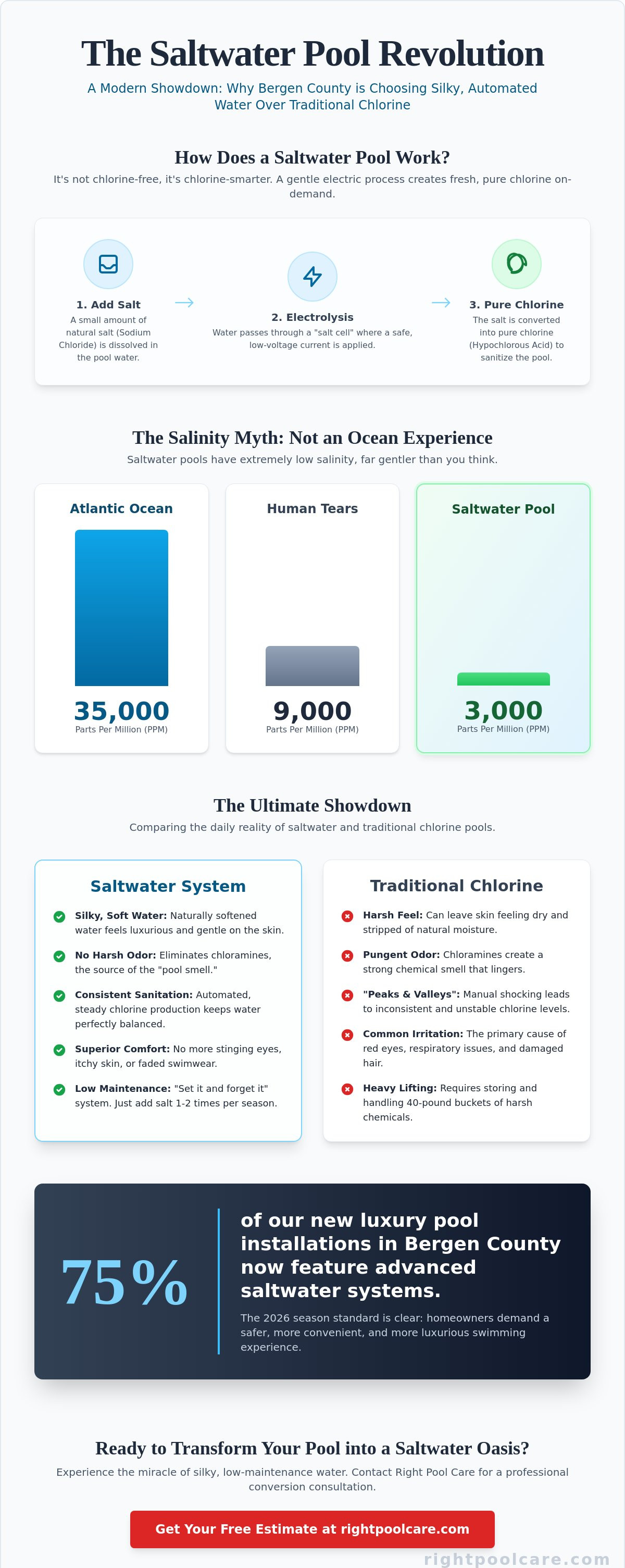
Discover why these automated setups are becoming the standard for the 2026 season. You'll learn how a "set it and forget it" sanitation solution eliminates the harsh smell of chloramines and reduces your long-term chemical expenses. We're going to break down why 75% of our new luxury installations in Bergen County now feature these advanced cells. This guide covers everything from the improved water texture to the specific maintenance schedules that keep your investment pristine without the heavy lifting.
Key Takeaways
- Understand the mechanics of electrolytic salt cells and why this modern delivery system is the most reliable choice for consistent sanitation.
- Discover the long-term lifestyle benefits of saltwater swimming pool ownership, including the "silky water" effect that protects your skin and hair.
- Analyze the financial ROI of saltwater systems to see how reduced chemical costs and increased property value benefit North Jersey homeowners.
- Learn how to protect your equipment from NJ winter conditions and common corrosion myths with our expert maintenance strategies.
- Explore the professional conversion process used to transform your existing equipment into a high-performance, low-maintenance oasis.
What is a Saltwater Pool and How Does it Work?
Many Bergen County homeowners believe saltwater pools are a chemical-free alternative to traditional systems. That's a common misconception. A saltwater pool is actually a chlorine pool. The difference lies entirely in the delivery method. Instead of manually adding liquid or tablet chlorine, you use a specialized system to generate it on-site. This shift offers one of the primary benefits of saltwater swimming pool ownership: consistent, stable water chemistry without the harsh "chemical" feel. You won't feel like you're swimming in the Atlantic Ocean. The Atlantic averages 35,000 parts per million (ppm) of salt. In contrast, a saltwater pool usually sits at a comfortable 3,000 ppm. For context, human tears are roughly 9,000 ppm. The water feels silky and soft on the skin because the salinity level is much closer to your body's natural chemistry than a standard chlorinated pool.The Science of Electrolysis
The heart of this system is the salt cell, also known as an electrolytic chlorine generator. As pool water passes through this cell, a low-voltage current triggers the salt water chlorination process. This reaction breaks down the dissolved salt (sodium chloride) into its base components to sanitize the water.Saltwater vs. Traditional Chlorine
Traditional pools rely on "shocking" the water with high doses of chemicals to maintain safety. This often leads to the formation of chloramines. Chloramines are the real cause of stinging eyes, itchy skin, and that pungent "pool smell" that lingers on your hair. Saltwater systems produce a steady, low-level flow of pure chlorine. This constant production prevents the buildup of chloramines and protects your pool's structural integrity. In 2026, the trend toward automation is driving more families in towns like Ridgewood and Franklin Lakes to upgrade. They're moving away from the "harsh" chemical additions of the past.- Consistency: No more "peaks and valleys" in chlorine levels.
- Safety: You don't have to store buckets of concentrated chlorine in your garage.
- Longevity: Stable chemistry is gentler on your PVC piping and liner.
Top Health and Lifestyle Benefits for Your Family
Saltwater systems represent a major shift in how Bergen County families enjoy their backyards. By 2026, the demand for "silky water" has surpassed traditional setups because of the tangible difference in water quality. Salt acts as a natural water softener. This provides a premium feel that you can notice the moment you dive in. This technology eliminates the aggressive chemical smell that often lingers on the skin and clothes for hours after a swim. Instead, the water is soft, clear, and inviting.
For families in Closter and Tenafly with young children, the gentle nature of the water is a game changer. Traditional pools often produce chloramines. These are the chemical byproducts responsible for red eyes and respiratory irritation. Saltwater systems maintain a consistent, low-level sanitation cycle that significantly improves air quality around the pool deck area. One of the most cited health benefits of saltwater pools is this reduction in eye and lung irritation. It creates a much safer breathing environment for swimmers of all ages.
Therapeutic and Skin Benefits
The low salinity level in these pools is approximately 3,000 parts per million. This is about one-twelfth the saltiness of the Atlantic Ocean. This mild concentration is incredibly soothing for swimmers with sensitive skin conditions like eczema or psoriasis. You won't have to worry about the harsh bleaching effects that ruin expensive designer swimwear or professional hair color treatments. The lack of heavy chemical shocks means your skin retains its natural moisture. This "spa-like" experience often leads to a 40% increase in how often homeowners actually use their pools. It turns a standard backyard into a wellness retreat.
Safety and Convenience
Safety is a non-negotiable standard for us at Right Pool Care. One of the biggest benefits of saltwater swimming pool ownership is the removal of hazardous materials from your property. You no longer need to store or handle large quantities of concentrated chlorine tablets or liquid acid. This eliminates the risk of accidental chemical spills that could damage your Bergen County patio or delicate landscaping. The automated nature of salt cells ensures steady sanitation without the "peaks and valleys" of manual dosing. It is a reliable, expert solution for a modern home. If you are ready for your own "Miracles in the making," Right Pool Care can guide you through the conversion process to ensure your system is installed correctly.
Economic Impact: Maintenance and Long-Term ROI
Investing in a saltwater system in 2026 is a strategic financial move for Bergen County homeowners. While the initial installation of a salt chlorine generator requires a higher upfront cost, the return on investment becomes clear within the first 36 months. One of the primary benefits of saltwater swimming pool ownership is the drastic reduction in recurring operational expenses. You're moving away from volatile chemical markets and toward a self-sustaining system that produces its own sanitizer.
Chemical Cost Comparison
Traditional chlorine tablets have seen significant price volatility, with some North Jersey suppliers reporting a 15% price increase over the last year. Pool-grade salt remains a stable and inexpensive commodity. For a standard 20,000-gallon pool, homeowners typically save between $400 and $600 annually on chemical costs. These systems also require fewer "shock" treatments throughout the summer. The salt cell provides a constant, low-level stream of pure chlorine that prevents the algae blooms common during humid New Jersey summers. Many families also appreciate the health benefits of saltwater pools, as the softer water is easier on the skin and eyes.
Boosting Your Home Value
In the competitive real estate markets of Alpine and Demarest, buyers look for "low-maintenance" luxury. A saltwater system is a premium upgrade that signals modern, high-end property management. It changes the perception of the pool from a labor-intensive chore to a turnkey lifestyle feature. This integration is a key factor when looking at the latest trends for Swimming Pools in Bergen County. A well-maintained saltwater pool can be a deciding factor for buyers who value their time and want a high-end backyard experience.
Busy professionals can't spend hours every weekend testing water levels. Automated saltwater systems act as a "set and forget" solution. These units monitor the water and adjust chlorine production automatically. This reduces the time spent on weekly water chemistry by approximately 50%. At Right Pool Care, we believe these systems are miracles in the making for homeowners who want a beautiful backyard without the stress of constant upkeep. It's a reliable, expert-level solution for the modern Bergen County home. By choosing a saltwater system, you're investing in a feature that pays for itself through both saved time and lower annual chemical bills. One of the most significant benefits of saltwater swimming pool setups is this shift from active labor to passive enjoyment.
Local Considerations: NJ Climate and Equipment Safety
Saltwater pools aren't corrosive when managed with professional precision. Many homeowners fear their equipment will rust away, but that's a myth for modern, well-maintained systems. One of the primary benefits of saltwater swimming pool ownership is the steady, automated chlorine delivery that prevents the harsh chemical spikes common in traditional pools. To protect metal components like ladders and heaters, we install sacrificial anodes. These zinc devices attract galvanic corrosion so your expensive hardware doesn't have to. Professional monitoring ensures these anodes are replaced when they reach 50% depletion, which typically occurs every 2 to 3 years in Bergen County environments.
Protecting Your Vinyl Liner
Vinyl liners thrive in stable environments. Salt systems provide a more consistent pH level than manual dosing, which prevents the vinyl from becoming brittle or bleached. For residents in Closter NJ, keeping an eye on your liner's age is key. If you notice fading or loss of elasticity, consult our guide on pool liner replacement for local expert advice. To avoid salt buildup in corners, we recommend a simple weekly brushing routine. This keeps the salt from settling and ensures it fully dissolves into the water column, protecting the liner's integrity for its full 12 to 15 year lifespan.
Seasonal Care in Northern NJ
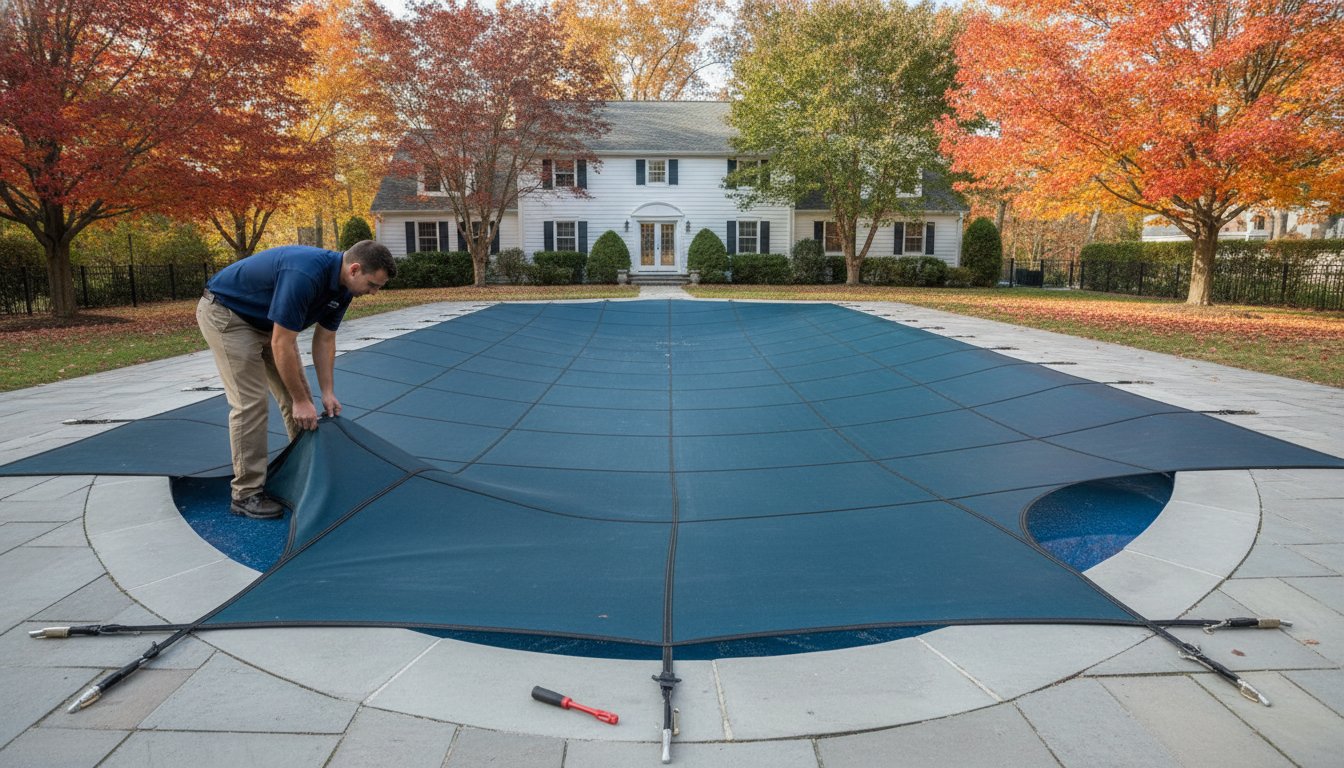
Bergen County winters demand specific closing procedures for salt systems. Salt cells are sensitive to the freeze-thaw cycle. We remove the cell and store it in a climate-controlled environment to prevent the plastic housing from cracking when temperatures drop below 20 degrees. A professional acid wash during the spring opening is also vital. This process clears calcium deposits from the electrolytic plates. It ensures your system operates at peak efficiency the moment the swimming season begins. Proper winterization protects your investment and keeps your backyard ready for those miracles in the making.
Keep your high-end equipment running perfectly year-round. Contact Right Pool Care for expert salt system maintenance and seasonal service.
The Conversion Process: Miracles in the Making
Converting a traditional chlorine system into a modern saltwater oasis is a precise technical evolution. At Right Pool Care, we view every upgrade as one of our miracles in the making. The journey begins with a comprehensive audit of your current equipment. We inspect your PVC piping, pump seals, and filter housing to ensure they're ready for the 3,200 parts per million salt concentration required for optimal performance. If your components aren't compatible, we provide clear solutions to get them up to speed before the 2026 season begins.
Our certified technicians handle the core installation. This involves plumbing the salt cell into your existing return line and mounting the digital control panel. This panel serves as the command center for your pool. It monitors salt levels and adjusts chlorine output automatically. Once the hardware is set, we add high-purity pool salt directly to the water. This phase requires a delicate balancing act. We stabilize the pH and cyanuric acid levels to ensure you get the full benefits of saltwater swimming pool technology from day one.
Right Pool Care stands as the trusted partner for these conversions because we don't take shortcuts. We understand that Bergen County weather patterns and local water chemistry require a tailored approach. We ensure every connection is watertight and every electrical component is grounded according to local safety codes. Our goal is to provide a seamless transition that leaves you with nothing to do but enjoy the water.
What to Expect During Installation
The physical installation of the cell and panel usually takes less than four hours. However, the full startup requires a 24 to 48 hour window. This time allows the salt to dissolve completely before we energize the electrolytic cell. We don't just "plug and play." Our team recalibrates your variable speed pump settings to maintain the specific flow rate your new system needs. To protect your investment, we often install a zinc anode. This component prevents galvanic corrosion and keeps your heater and metal fixtures safe from the start.
Start Your Transformation Today
The best time to upgrade is before the rush of the 2026 pool season. Waiting until Memorial Day often means dealing with scheduling backlogs. Right Pool Care is the expert local partner for Bergen County homeowners who value safety and expert craftsmanship. We're committed to creating backyard spaces that are safe for your family and effortless to maintain. You shouldn't have to settle for stinging eyes and dry skin another year. Contact Right Pool Care today for a professional equipment inspection and a custom conversion quote. Let's make your pool the highlight of your home.
Transform Your Backyard Experience for 2026
Upgrading to a saltwater system is a definitive move toward a healthier, more cost-effective home environment. You'll notice the difference immediately in the softer water quality and the lack of harsh chemical odors. These systems provide consistent sanitization that protects your family's skin and eyes throughout the swimming season. When you consider the long-term benefits of saltwater swimming pool technology, the return on investment through reduced chemical purchases becomes clear. It's a reliable solution for the variable New Jersey climate, offering stability that traditional chlorine methods often lack.
Right Pool Care has delivered 20 plus years of local Bergen County expertise to homeowners looking for superior results. We're Certified Safety Cover Experts who specialize in Vinyl Liner Protection, ensuring your equipment and pool structure remain in peak condition. We treat every renovation as one of our miracles in the making. Our team handles the technical details so you can focus on enjoying your space. Request an Expert Saltwater Conversion Quote from Right Pool Care today to secure your spot on our 2026 schedule. Your ideal backyard oasis is closer than you think.
Frequently Asked Questions
Is a saltwater pool actually chlorine-free?
No, a saltwater pool isn't chlorine-free. It uses a process called electrolysis where a salt cell converts dissolved salt into pure chlorine. This provides the same sanitizing power as traditional methods but without the harsh chemical smell or eye irritation. You'll enjoy the benefits of saltwater swimming pool ownership while maintaining a safe, bacteria-free environment for your family. To understand how to manage specific sanitation issues that might arise, you can learn more about The Pool People for professional guidance on maintaining a pristine pool environment.
Will the salt in my pool damage my vinyl liner or concrete patio?
Salt won't damage your vinyl liner or concrete patio when levels are maintained at the industry standard of 3,200 parts per million. This concentration is too low to corrode high-quality PVC piping or modern liner materials. Right Pool Care ensures your equipment is bonded correctly to prevent galvanic corrosion. Splashes on your patio contain less salt than a single teardrop, so your stonework stays protected.
How much salt do I need to add to my pool each year?
You typically add 1 to 2 bags of salt per season after the initial setup. Salt doesn't evaporate, so it only leaves the system through splash-out, backwashing, or heavy rainfall. A standard 20,000-gallon pool requires about 500 pounds of salt to reach the starting concentration. Once established, your annual salt needs remain minimal compared to the weekly chemical hauls required for traditional pools.
Do saltwater pools cost more to maintain than chlorine pools?
Saltwater pools cost less in annual chemical expenses but require periodic equipment investment. You'll save roughly 40 percent on liquid chlorine and shock every year. However, the salt cell requires replacement every 3 to 7 years. Over a 10-year period, the total cost of ownership often balances out. Many Bergen County homeowners prefer the predictable budget of salt over fluctuating chemical prices.
Can I convert my existing chlorine pool in Closter to saltwater?
Yes, you can convert any existing chlorine pool in Closter to a saltwater system in about 4 to 6 hours. Our expert technicians install a salt chlorine generator into your existing PVC piping and connect it to your power center. There's no need to drain the water or change your pump. This upgrade is one of the top benefits of saltwater swimming pool conversions for local residents seeking a more automated maintenance routine.
Does saltwater taste like the ocean?
Saltwater pools don't taste like the ocean because the salinity is roughly 10 times lower than seawater. The ocean has a salt concentration of about 35,000 parts per million, while your pool sits at approximately 3,200 parts per million. You'll barely notice a hint of salt on your lips. The water feels silky and soft on your skin rather than abrasive or sticky.
What happens to the saltwater system during an NJ winter?
Your saltwater system must be winterized to prevent freeze damage during the cold New Jersey months. We remove the salt cell and store it indoors when temperatures drop below 50 degrees Fahrenheit. This protects the delicate internal plates from cracking. Right Pool Care includes this step in our standard winterization service to ensure your "Miracles in the making" are ready for the spring thaw.
How long does a typical salt cell last before needing replacement?
A typical salt cell lasts between 3 and 7 years depending on usage and water chemistry. You can maximize this lifespan by cleaning the cell with an acid wash every 3 months to remove calcium buildup. Cells usually provide 10,000 hours of active chlorine production before the titanium plates wear down. Monitoring your salt levels accurately prevents the system from overworking, which extends the life of your investment.