A standard winter tarp is often a ticking clock rather than a protective shield. For homeowners in Bergen County, the sight of a weighted tarp sagging under a heavy January snow load is a recipe for anxiety. You aren't just looking for a way to hide the water. You're looking for a structural insurance policy. When you ask are pool safety covers worth the cost, the answer lies in the security that comes from a product engineered to support at least 485 pounds. It's the difference between a dangerous backyard hazard and a reinforced barrier that protects your family and your investment.
We understand the frustration of spending your first warm spring weekend scrubbing a swampy mess because a cheap cover ripped or blew away. You deserve a backyard that remains a safe, beautiful asset even in the off-season. This 2026 guide proves why a professional safety cover is the most critical investment you can make for your pool's longevity. We will break down the long-term ROI, NJ safety compliance standards, and how the right installation ensures a faster, cleaner opening for years to come.
Key Takeaways
- Learn why ASTM F1346-91 standards are the non-negotiable baseline for true protection, supporting up to 485 pounds to keep your family and pets secure.
- Discover how the long-term durability of professional mesh or solid vinyl compares to the "cheap tarp cycle" when determining are pool safety covers worth the cost for your budget.
- Understand how professional-grade brass anchoring systems protect your pool structure from the intense snow loads and freeze-thaw cycles common in Bergen County.
- See how a high-tension fit significantly reduces chemical expenses and labor hours during your spring opening by preventing debris and sunlight infiltration.
- Explore why precision custom-fitting is essential for unique NJ pool shapes to ensure every anchor point provides maximum tension and structural integrity.
The Financial Reality: Are Pool Safety Covers Worth the Initial Investment?
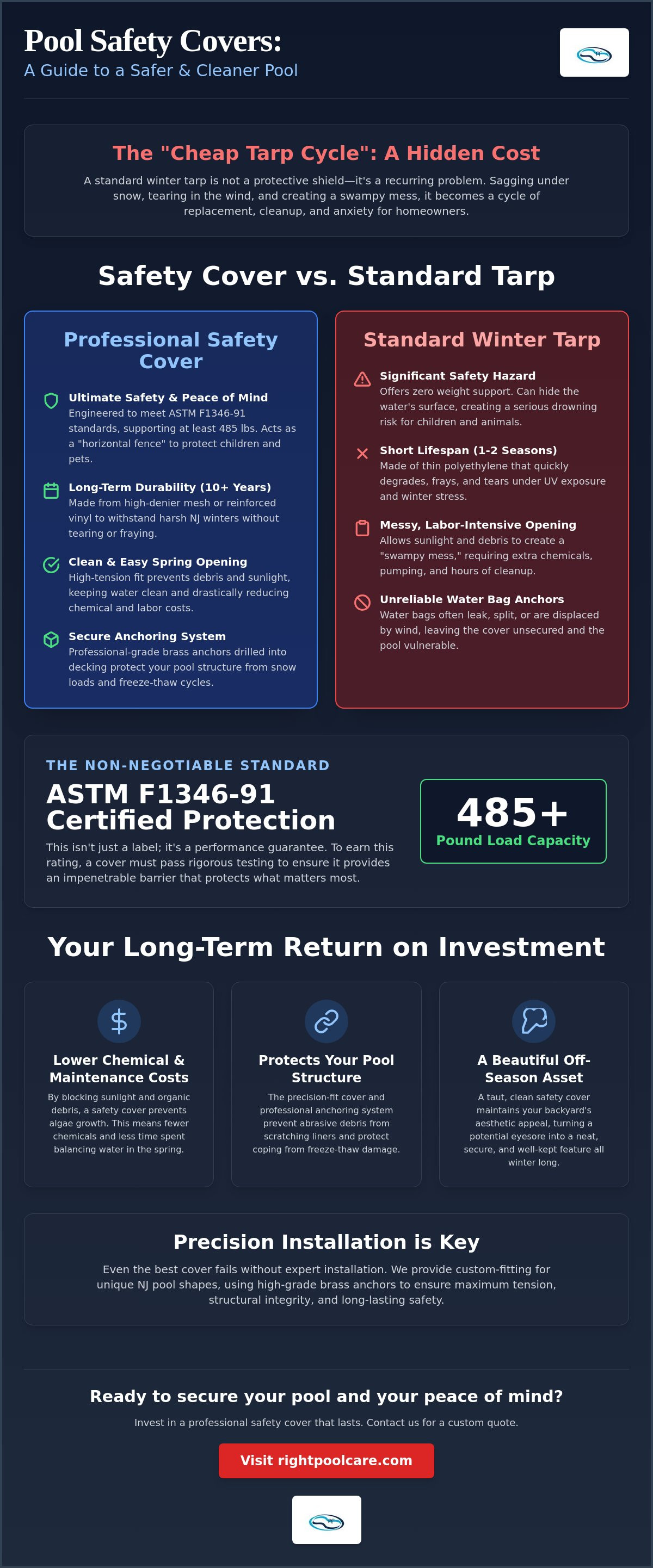
Many homeowners look at the initial price of a high-end cover and hesitate. It's a common reaction. But when you evaluate are pool safety covers worth the cost, you have to look at the long-term structural health of your property. A standard winter tarp is little more than a plastic sheet held down by unreliable water bags. In contrast, a professional safety cover is a precision-engineered barrier that turns your pool into a secure, walkable surface. It's an investment in preventative maintenance that pays dividends through reduced labor and enhanced security.
The "cheap tarp cycle" is a trap that many Bergen County residents know too well. You buy a $200 tarp, struggle to secure it, and find it shredded by wind or weighted down by snow within two seasons. When you factor in the cost of replacement covers, water pumps to clear rain, and the extra labor required for messy spring openings, that "cheap" option becomes surprisingly expensive. A professional safety cover eliminates these recurring headaches. It provides a permanent solution that typically lasts over a decade with proper care.
Beyond the spreadsheets, there is the psychological ROI. For families with children or pets, a standard tarp is a significant liability. It can hide the water's surface while offering zero weight support. A true safety cover provides an uncompromising layer of protection. It serves as a "horizontal fence" that ensures your backyard remains a place of peace rather than a source of constant winter anxiety.
Understanding the Total Cost of Ownership
If you look at a 10-year horizon, the financial math shifts in favor of professional installation. Standard tarps often require a "Spring Opening Tax" because they allow sunlight and organic debris to enter the water. This results in a swampy, green mess that requires double the chemicals and hours of extra filtration. By investing in a high-tension safety cover, you protect your pool liner from abrasive debris and keep the water significantly cleaner. This translates to lower costs during your pool safety requirements review and a much faster transition to swimming season.
Safety Cover Standards: More Than Just a Brand Name
A true safety cover must meet the ASTM F1346-91 standard. This isn't just a label; it's a performance guarantee. To earn this rating, a cover must be able to support a weight of at least 485 pounds. This ensures that if a child or a heavy snow load ends up on the cover, the system will hold firm. Achieving this level of tension requires professional Safety Cover Installation. The anchors must be drilled with precision into your decking to ensure the springs can distribute weight evenly across the entire surface. Without this expert calibration, even the best material cannot meet the rigorous safety standards your family deserves.
Safety Covers vs. Standard Winter Tarps: A Performance Comparison
When evaluating are pool safety covers worth the cost, the most immediate difference is the material itself. A standard winter tarp is a temporary fix made of thin polyethylene. It lacks structural integrity and typically begins to fray after just two seasons of exposure to UV rays and NJ frost. In contrast, professional safety covers utilize high-denier mesh or reinforced solid vinyl. These materials aren't just covers; they're engineered components designed to withstand the brutal New Jersey winter without sagging or tearing. While a tarp is a disposable expense, a safety cover is a long-term asset that maintains its shape and protective qualities for a decade or more.
Debris management is another area where professional covers excel. In heavily wooded areas like Alpine or Closter, autumn leaves are a constant challenge. On a standard tarp, leaves collect in stagnant puddles of rainwater, creating a rotting "tea" that can seep into your pool and permanently stain your liner. A taut safety cover solves this problem by keeping the tension high. Leaves either blow off naturally or sit on a dry surface where they can be easily removed. This keeps your backyard looking clean and organized rather than appearing like a neglected construction site during the off-season.
Mesh vs. Solid Safety Covers
Choosing the right material depends on your specific environment. Mesh covers are the most popular choice for Bergen County homes because they are lightweight and allow snowmelt to drain directly into the pool. This eliminates the need for a cover pump. However, if your property in Closter has significant tree cover, a solid vinyl cover might be superior. Solid covers block 100% of sunlight and fine silt, ensuring your water stays crystal clear. This total blockage prevents the algae growth that often plagues pools during the unseasonably warm NJ spring days.
The 'Water Bag' Problem
Standard tarps rely on water bags to stay in place, which are notoriously unreliable. In freezing temperatures, these bags often leak or burst, causing the tarp to slip into the pool under the weight of snow. This "tarp-slip" can damage your pool's coping and create a dangerous underwater entanglement hazard. Safety covers replace these failing bags with heavy-duty brass deck anchors and stainless steel springs. These springs maintain constant tension even under extreme stress. According to the U.S. Consumer Product Safety Commission, power safety covers and manual safety covers that meet ASTM standards are the only reliable way to secure a pool area. Ultimately, deciding are pool safety covers worth the cost comes down to whether you want a disposable product or a permanent structural asset. If you're tired of the annual tarp struggle, it might be time to consider a professional Safety Cover Installation.
The Bergen County Winter: Why NJ Climate Demands Professional Grade Protection
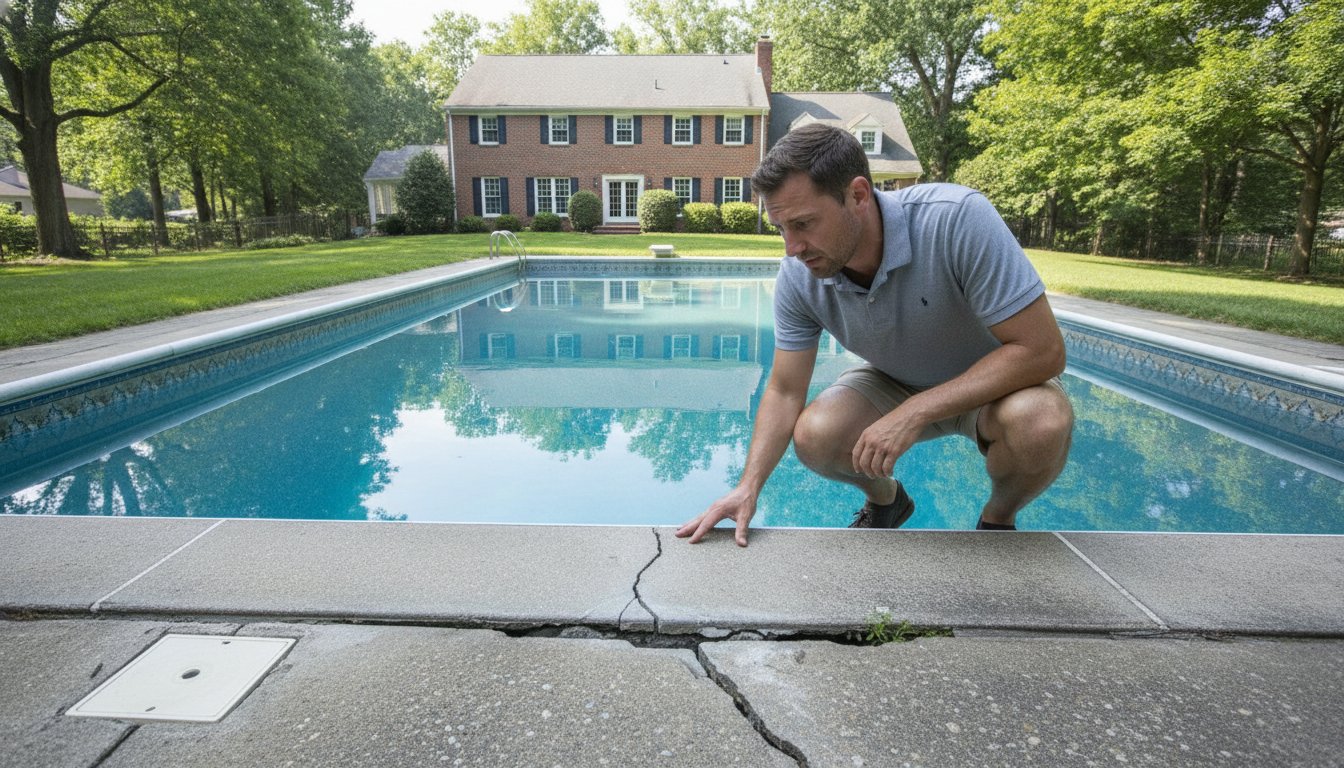
Bergen County winters are notoriously unpredictable. The constant freeze-thaw cycle is the primary enemy of pool masonry and structural integrity. When water freezes in the grout between your tiles or behind the coping, it expands with immense force. A standard tarp often allows moisture to pool against these delicate surfaces, leading to cracked stone and popped tiles by March. A professional safety cover keeps the perimeter dry and secure. This preventative measure is a major reason why homeowners conclude are pool safety covers worth the cost when faced with the alternative of expensive masonry restoration.
Snow load capacity is another critical factor for Northern New Jersey residents. A 12-inch snowfall in Closter can deposit thousands of pounds of weight onto your pool surface in a single evening. A standard tarp acts like a giant bowl, collecting this weight until the thin polyethylene rips or the water bags fail. Safety covers are tensioned to handle these extreme loads without flinching. They also eliminate the dangerous "parachute effect" during high-wind storms. Instead of catching the wind and straining your pool's structure, the reinforced material remains taut and silent, protecting your investment from the elements.
Managing Heavy Snow Loads in Alpine and Tenafly
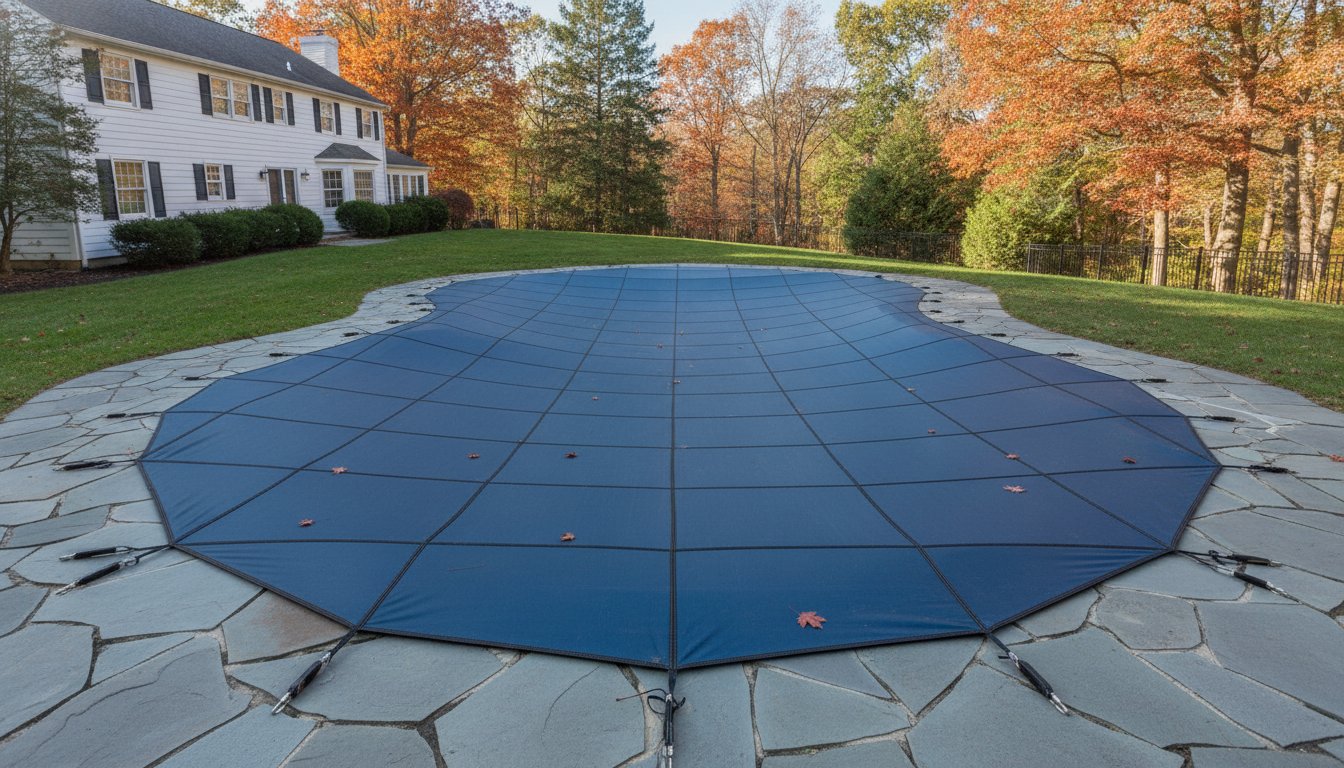
Safety covers are engineered to distribute weight across your pool deck through a system of stainless steel springs and recessed brass anchors. This design prevents localized stress on your pool walls that could lead to structural cracking during a deep freeze. Many homeowners put themselves at risk trying to clear a sagging tarp in the middle of a blizzard. This is entirely unnecessary with a professional system. The cover is built to hold the weight until it melts naturally, ensuring your backyard remains secure without any dangerous manual labor.
Protecting Your Pool Liner from Winter Stress
Your vinyl pool liner is particularly vulnerable during the off-season. Shifting ice sheets can snag and tear unprotected vinyl, creating leaks that remain hidden until the spring opening. A secure cover helps maintain consistent water levels and internal pressure. This is vital for preventing "liner floating," which happens when external groundwater pressure exceeds the internal pool pressure after heavy spring rains. By keeping the system sealed and stable, you avoid the logistical nightmare of a full liner reset or a premature replacement. When you evaluate are pool safety covers worth the cost, the protection of your liner's lifespan is a significant part of the ROI.
Calculating the ROI: Maintenance, Chemicals, and Longevity
When calculating are pool safety covers worth the cost, homeowners often focus on the upfront price while overlooking the significant reduction in annual operating expenses. A professional safety cover acts as a high-performance shield for your entire pool system. By preventing heavy debris from entering the water, you protect your skimmers and pump lines from clogs that can lead to motor burnout or pipe blockages. This preventative measure extends the life of your expensive filtration equipment, saving you from the high cost of premature equipment replacement.
Chemical savings are another immediate benefit. Traditional tarps often allow sunlight to reach the water, which fuels algae growth as soon as the temperature rises in early April. This results in a "green opening" that requires massive doses of chlorine shock and algaecide to correct. A high-quality safety cover, particularly a solid vinyl model, blocks the UV rays that algae need to thrive. You'll find that your water remains balanced and clear throughout the winter, requiring far fewer chemicals to reach swimming-ready standards in the spring.
In Bergen County's competitive real estate market, a safety-certified pool is a major selling point. Prospective buyers often view a pool as a liability if it lacks modern safety features. Presenting a home with a professionally installed, ASTM-compliant cover transforms that liability into a premium asset. It signals to buyers that the property has been meticulously maintained and is safe for their children and pets, which can directly influence the speed and value of a home sale.
The 'Clear Water' Opening Guarantee
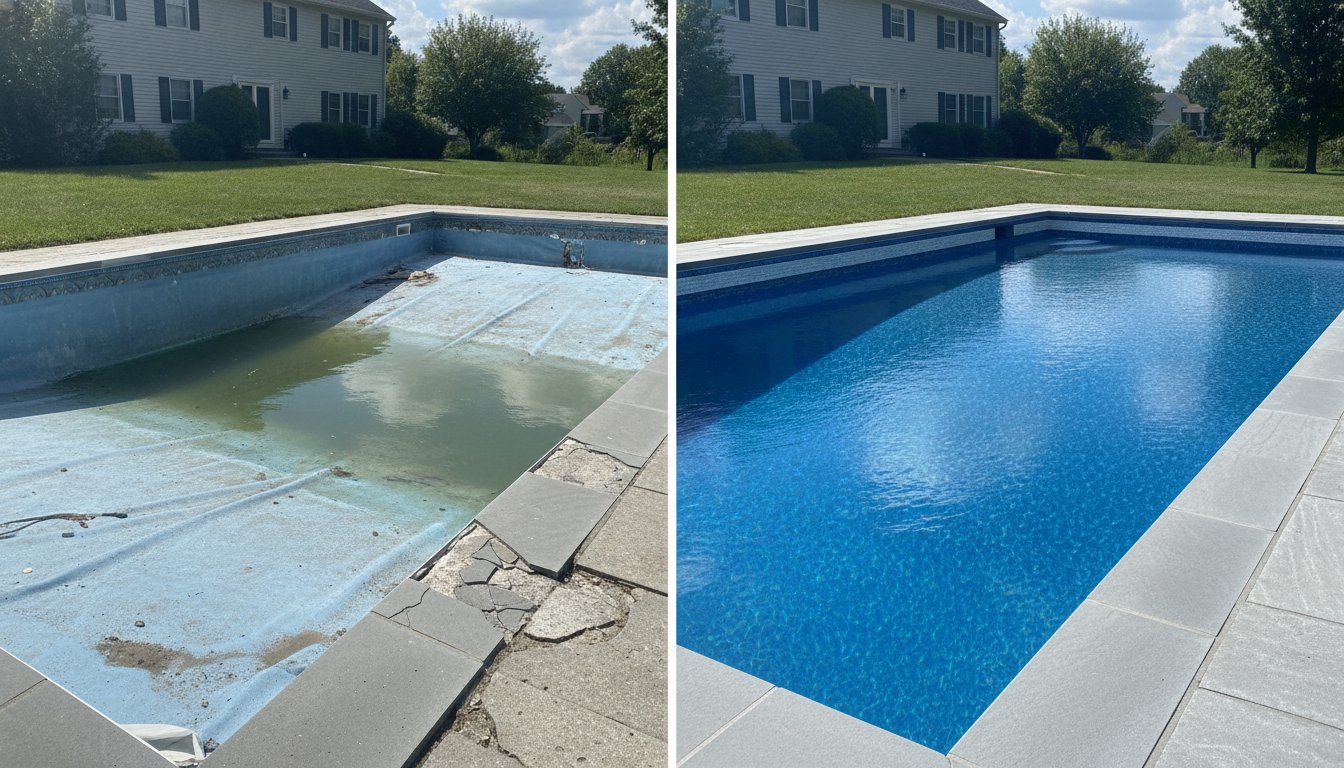
The transition from winter to summer is much smoother when you aren't battling a swampy mess. Because safety covers stay taut, they don't collect the stagnant, mosquito-breeding puddles found on standard tarps. This allows for a much faster and more efficient professional pool opening service. Instead of spending days vacuuming silt and scrubbing stains, our teams can often have your pool circulating and clear in a fraction of the time. This efficiency means you can start your swimming season weeks earlier than neighbors struggling with failing tarp systems.
Long-Term Durability and Warranty Value
Durability is the cornerstone of the ROI argument. While a standard tarp might last two seasons, a professional-grade safety cover typically provides 10 to 15 years of reliable service. When you analyze are pool safety covers worth the cost over a decade, the "cost per year" is significantly lower than any other winterization option. Most reputable manufacturers offer multi-year warranties that protect against material defects, providing you with long-term peace of mind. If you are ready to stop the cycle of annual tarp replacements, we invite you to explore our options for Safety Cover Installation to protect your backyard investment for the long haul.
Professional Safety Cover Installation: Securing Your Backyard Investment
A safety cover is only as effective as the tension it maintains. While the materials themselves are high-performance, the true value of the system lies in the precision of the installation. For homeowners with freeform or custom-designed pools in Bergen County, off-the-shelf solutions simply don't work. A custom-fit cover is essential to ensure that every anchor point aligns perfectly with your pool's unique geometry. When you ask are pool safety covers worth the cost, you're really asking about the integrity of the installation. Without a flush, tight fit, the ASTM weight-bearing standards cannot be guaranteed, leaving your backyard vulnerable to the very risks you're trying to avoid.
At Right Pool Care, we view every installation as a structural modification designed to enhance your property's safety. We utilize a precision anchoring system that secures the cover directly into your decking material. This creates a drum-tight surface that stays silent during winter storms and remains impenetrable to curious pets or children. To maximize your efficiency, we recommend integrating your installation with your pool closing schedule. This ensures that your new system is calibrated and tensioned exactly when your pool is most vulnerable to the elements.
The Installation Process: What to Expect
Our process begins with exact measurements of your pool's perimeter, including any raised walls, water features, or ladders. We then use specialized core drills to install recessed brass anchors into your deck. Whether you have stamped concrete, delicate pavers, or a wood deck, we use specific hardware designed for that material to prevent cracking or shifting. Once the anchors are set, we use high-tension stainless steel springs to pull the cover taut. This ensures a flush fit against the coping, which prevents wind from getting underneath the cover and stops leaves from blowing into your water.
Choosing Right Pool Care for Your Safety Cover
We've spent years serving the communities of Alpine, Closter, and Tenafly, building a reputation for uncompromising quality. Our team doesn't believe in quick fixes or "good enough" tensioning. We use only high-strength, ASTM-certified materials that are built to survive the harshest NJ winters. We take pride in transforming a potential backyard hazard into a secure, visually clean space that reflects the care you put into your home. When you choose us, you're choosing local expertise and a "can-do" attitude that tackles even the most complex pool shapes with ease.
The final verdict for 2026 is clear: are pool safety covers worth the cost? Yes. They are a non-negotiable investment for any responsible Bergen County homeowner. Between the chemical savings, the protection of your vinyl liner, and the absolute peace of mind regarding child safety, the ROI is undeniable. Don't wait for the first heavy snowfall to realize your old tarp isn't up to the task. Protect your family and your pool—get a safety cover quote today!
Protect Your Backyard Legacy for the Long Haul
A professional safety cover is more than a seasonal accessory. It is a precision-engineered shield that safeguards your family and your property. Throughout this guide, we have established that the "cheap tarp cycle" is a recipe for recurring costs and winter anxiety. By choosing an ASTM-compliant system, you ensure your pool can withstand the heaviest NJ snow loads while maintaining crystal-clear water for the spring. When you weigh the structural benefits against the risks of a failing tarp, the question of are pool safety covers worth the cost is answered by the decades of security they provide.
Right Pool Care offers over 20 years of Bergen County expertise to help you make this critical transition. We are specialists in custom-fit installations for freeform pools, ensuring that even the most unique shapes receive uncompromising protection. Our team uses only the highest-grade, certified materials to create a taut, walkable surface that elevates your backyard profile. Don't leave your investment to chance when the frost arrives. Take the first step toward a safer, more efficient pool today.
Secure Your Pool for 2026—Request a Safety Cover Consultation
Frequently Asked Questions
Can a person actually walk on a pool safety cover?
Yes, a properly tensioned safety cover that meets ASTM F1346-91 standards is engineered to support the weight of an adult. These covers must hold at least 485 pounds to earn their safety certification. While you shouldn't use the cover as an extension of your deck, this weight capacity provides a critical safety net. It ensures that if a child or pet wanders onto the pool, the system remains secure and stable.
How much does a professional safety cover installation cost in NJ?
The total investment depends on your pool's square footage and the specific anchoring requirements of your decking. While we don't provide flat-rate pricing without a site visit, homeowners find that the long-term ROI makes a professional installation the most logical choice. When asking are pool safety covers worth the cost, consider the technical labor required for a secure, flush fit on your Bergen County property. We focus on providing transparent, detailed quotes for every custom project.
Do I need a pool cover pump if I have a mesh safety cover?
You generally do not need a cover pump with a mesh safety cover because the material allows rain and snowmelt to drain into the pool. This design makes mesh a popular choice for low-maintenance winterization. If you opt for a solid safety cover to block 100% of sunlight and silt, you will need a pump. The pump removes standing water to prevent the material from sagging under the weight of accumulated rain.
How long does it take to install a custom pool safety cover?
A professional installation typically takes between four to eight hours once your custom-fitted cover is ready. The process involves precision drilling into your deck and calibrating the tension springs for a drum-tight fit. While the physical install is efficient, the custom manufacturing phase ensures every strap aligns with your pool's unique shape. This meticulous approach is what makes a professional installation a superior long-term choice for your backyard.
Will drilling anchors into my pool deck damage the concrete or pavers?
Professional drilling does not damage your pool deck when performed with specialized equipment and the correct hardware. We utilize core drills designed to create clean, precise holes for the brass anchors. Whether you have concrete, pavers, or wood, we select the specific anchor type that ensures a secure fit without causing stress cracks. These anchors sit flush with the surface during the summer, keeping your deck safe and visually clean.
Can a safety cover be repaired if it gets a small tear?
Small tears can often be repaired using manufacturer-approved patch kits if the damage is away from the main stress points. However, if a tear occurs near a strap or spring, the structural integrity may be compromised. When asking are pool safety covers worth the cost, remember that the safety rating is the primary value. We recommend a professional inspection for any significant damage to ensure the cover still meets the 485-pound ASTM weight standard.
What is the difference between a winter cover and a safety cover?
The primary difference is structural integrity and weight support. A standard winter cover is a thin tarp held by water bags that can easily slip or tear under snow. A safety cover is a tensioned system anchored into the deck that supports at least 485 pounds. While a winter tarp is a disposable item, a safety cover is a long-term investment that provides a true safety barrier for your family and pets.
How do I clean my safety cover before storing it for the summer?
You should hose off your safety cover while it is still tensioned over the pool to remove winter debris and salt. Use a soft-bristle brush with mild soap for any stubborn spots, then rinse it thoroughly. It is vital to let the material dry completely before folding it for storage. This prevents mold and mildew from developing while the cover is in its storage bag during the swimming season.