What if those small cracks in your pool tile aren't just an eyesore, but a warning sign that New Jersey's winter is slowly dismantling your backyard investment? For homeowners considering pool tile replacement Cresskill, understanding the local climate is the difference between a temporary fix and a lifetime of durability. You've likely felt the frustration of finding "popped" tiles on the pool floor every spring or scrubbing at stubborn calcium scaling that simply won't budge. It's stressful to worry about sharp edges or hidden structural leaks beneath the surface.
We recognize that your pool is a major investment that demands specialized expertise to survive the Northeast's harsh conditions. You'll learn how professional tile and coping repair guards your concrete structure against moisture intrusion while elevating your backyard's aesthetic. We'll examine why materials like porcelain are superior for Cresskill's climate, how we adhere to the 2021 International Swimming Pool and Spa Code standards, and what a seamless, professional renovation looks like from demolition to final cleanup.
Key Takeaways
- Learn how the New Jersey freeze-thaw cycle compromises your pool's concrete beam and why waterline tiles act as a critical protective expansion joint.
- Discover the "10% rule" to accurately determine if your project requires a minor repair or a complete pool tile replacement Cresskill.
- Compare the performance of frost-proof ceramic and non-porous glass mosaic materials to ensure your investment survives NJ's harsh winters.
- Understand why precision demolition and the restoration of failing mud beds are essential steps for a leak-free, durable finish.
- Explore how professional tile and coping repair integrates with other services to provide a total aesthetic and structural transformation.
Why Pool Tiles Fail: The Cresskill Freeze-Thaw Challenge
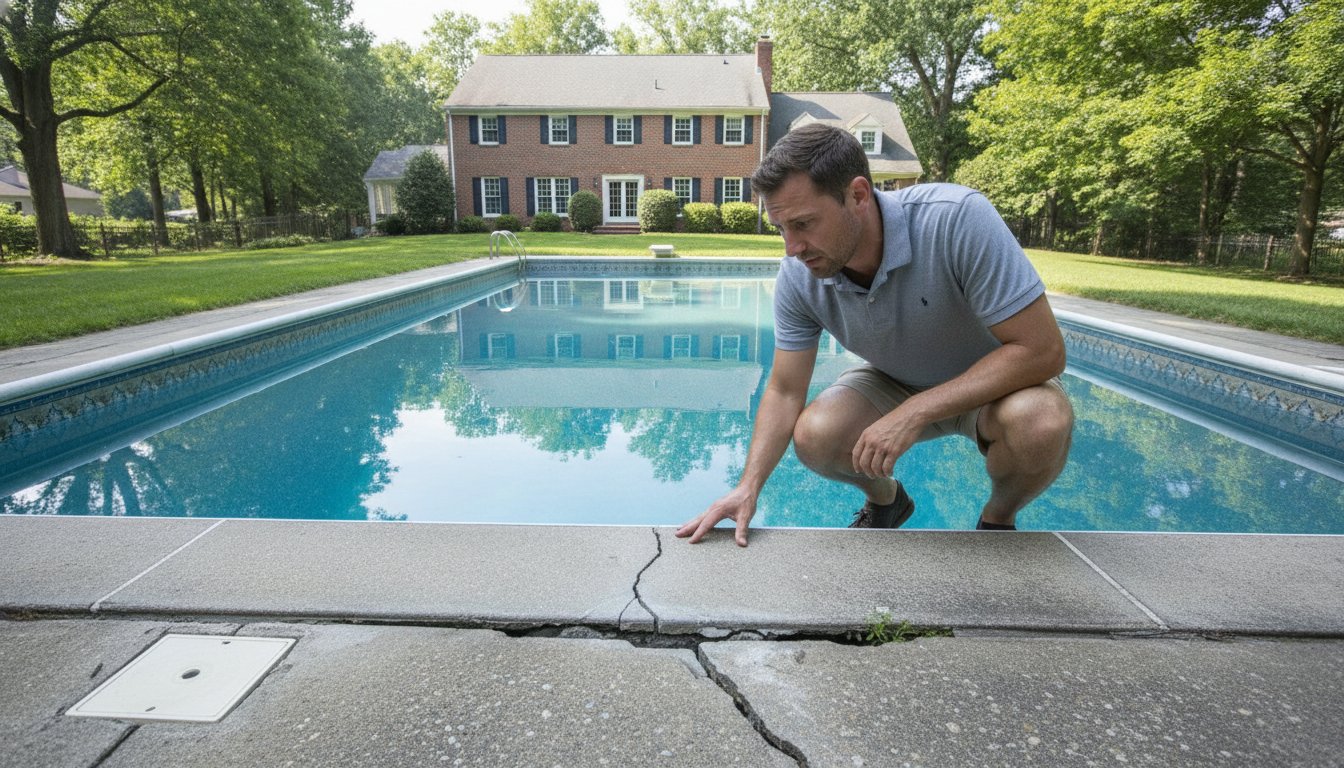
Cresskill winters are notoriously harsh on outdoor masonry. While many homeowners view waterline tiles as a purely aesthetic choice, these tiles serve as a critical shield for the pool's concrete beam. In a standard swimming pool, the waterline is the most vulnerable point for structural degradation. When winter temperatures drop, water that has seeped into grout lines or behind loose tiles freezes and expands by approximately 9%. This relentless expansion creates a "jacking" effect that pops tiles off the wall and leaves the underlying concrete exposed to the elements.
The "Ice Heave" effect adds another layer of complexity to the problem. As the ground freezes, the pool deck slab can shift or lift, exerting massive lateral pressure against the tile and coping. If your pool wasn't built with frost-proof materials, the results are often catastrophic. Standard indoor tiles, which are frequently more porous than outdoor-rated porcelain, absorb moisture like a sponge. When that internal moisture freezes, the tile itself shatters from the inside out. This is why professional pool tile replacement Cresskill is a necessity for maintaining structural integrity in Northern New Jersey.
The Anatomy of a Waterline Tile Failure
Even the best installations don't last forever. Most thin-set and grout mixtures have a functional lifespan of 10 to 15 years before chemical exposure and weather cycles begin to break down the bond. You can identify failing areas early by performing a "hollow sound" test. Use the handle of a screwdriver to gently tap along your waterline; a sharp, ringing echo indicates the tile has detached from the mud bed. You should also watch for white, stalactite-like calcium nodules. These form when water moves through the setting bed, dissolving minerals and depositing them on the tile surface as they reach the air.
Cresskill Soil and Drainage Impacts
Local soil conditions in Cresskill play a significant role in how your pool handles the winter. Soil with high moisture retention increases the intensity of ground expansion during a deep freeze. If your backyard drainage is insufficient, water accumulates near the pool's edge, saturating the area behind the tile line. The expansion joint is the pool's primary defense against structural cracking. This flexible gap between the pool shell and the deck allows the two structures to move independently without crushing the tile or coping. Without a functional joint, the freeze-thaw cycle will eventually cause the concrete beam to crack, leading to much more expensive repairs.
Pool Tile Repair vs. Full Replacement: Which Do You Need?
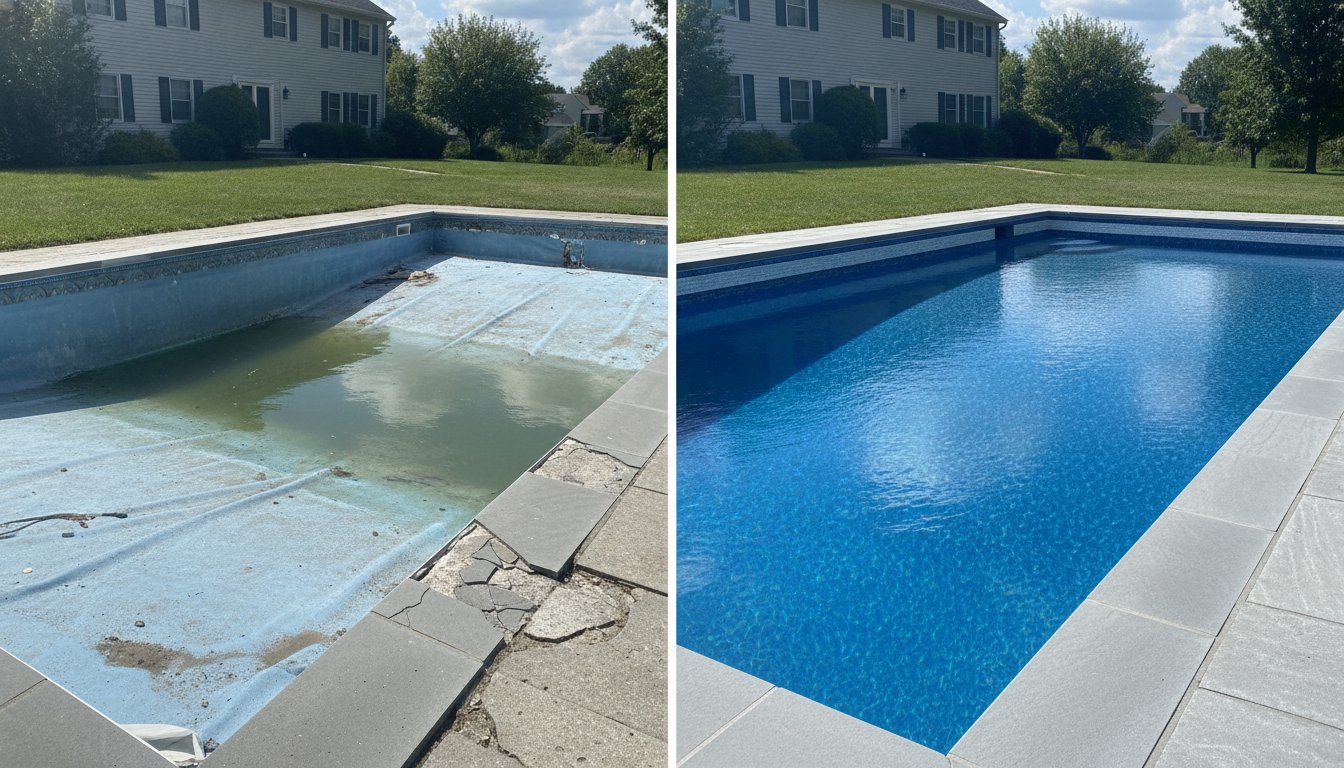
Homeowners often face a difficult choice when the first few tiles fall into the water. Is it a minor fix or a sign of total system failure? We utilize the 10% rule as a professional benchmark. If more than 10% of your waterline tiles are missing, loose, or sound hollow when tapped, a localized repair is no longer cost-effective. At this stage, the adhesive bond across the entire perimeter has likely reached its expiration date. Investing in pool tile replacement Cresskill ensures a uniform, frost-proof barrier rather than a patchwork of mismatched colors and failing grout.
The condition of the mud bed is the ultimate deciding factor. This cementitious setting bed sits behind the tile and provides the flat surface necessary for a proper bond. If this layer is crumbling, sandy, or pulling away from the concrete beam, new tiles won't stay attached for more than a season. Attempting to "band-aid" a failing mud bed is a cycle of frustration. While a quick repair seems cheaper today, the cumulative cost of annual service calls quickly exceeds the price of a comprehensive, long-term replacement that includes a fresh, reinforced setting bed.
Color matching is another practical hurdle. Pool tiles are produced in batches, and even standard blues or whites change over time due to UV exposure and water chemistry. For older pools, finding an exact match for discontinued tile lines is nearly impossible. A full replacement eliminates the "checkered" look of mismatched repairs and restores the sleek, high-end aesthetic your backyard deserves. Our team can provide a professional assessment to determine the most viable path for your structural integrity.
Signs Your Tiles Only Need Professional Repair
- Intact Setting Bed: The underlying concrete is solid and free of cracks or voids.
- Isolated Issues: Fewer than five or six tiles have "popped" in a single, concentrated area.
- Grout Erosion: The tiles are firm, but the grout has worn down; this is often resolved with a simple re-grouting.
- Surface Scaling: Ugly white deposits can often be removed through professional acid washing without removing the tile itself.
When Full Tile Replacement is the Only Solution
- Widespread Failure: Multiple hollow spots exist around the entire perimeter of the pool.
- Beam Damage: Horizontal cracks running through the tile line suggest the concrete beam is shifting or expanding.
- Modernization: You are already planning a concrete pool resurfacing project and want the waterline to match the new finish.
- Safety Risks: Cracked tiles have created sharp, jagged edges that pose a danger to swimmers.
Modern Tile Materials: Durability Meets Cresskill Style
Selecting the right material for pool tile replacement Cresskill is a decision that balances laboratory-tested durability with high-end backyard design. In Northern New Jersey, your choice must endure radical temperature swings while maintaining its visual allure. Traditional frost-proof ceramic remains a reliable industry staple. These tiles are specifically engineered for the freeze-thaw cycle, offering a dense body that resists moisture penetration. Many homeowners are now shifting toward porcelain and glass for even greater longevity and a more sophisticated, contemporary finish.
Bergen County is known for its hard water, which can leave unsightly white calcium deposits at the waterline. Selecting a grout color that complements these minerals, such as soft grays, tans, or charcoals, can help disguise minor scaling between cleanings. Modern high-performance grouts are now available with enhanced stain resistance and epoxy-based additives. These technical advancements ensure your pool's perimeter remains pristine and structurally sound for years without the constant need for aggressive scrubbing.
Glass vs. Ceramic: The Performance Showdown
The performance gap between glass and ceramic is primarily found in their absorption rates. Glass tile is a vitreous material with a zero-absorption rate, making it virtually immune to the internal expansion that causes ceramic to crack during a deep freeze. Because glass is translucent, it requires specialized glass-bond thin-sets that don't show through the tile. Beyond the technical benefits, glass creates a stunning visual impact. It captures and reflects Cresskill’s summer sunlight, turning the waterline into an iridescent border that shifts in color as the sun moves across the sky.
Trending Styles in Northern New Jersey Backyards
Current design trends in the area favor a clean, "Zen" aesthetic that emphasizes natural textures and seamless transitions. Large-format tiles are increasingly popular because they minimize grout lines, creating a sleek and modern look that is significantly easier to maintain. Deep blues, teals, and graphite tones are the colors of choice for 2026. These darker shades enhance the water's reflective quality and create a sense of depth. Many homeowners are also opting for textured porcelain finishes that perfectly blend with natural coping and stone work, ensuring the pool feels like an organic extension of the surrounding landscape.

The Right Pool Care Replacement Process
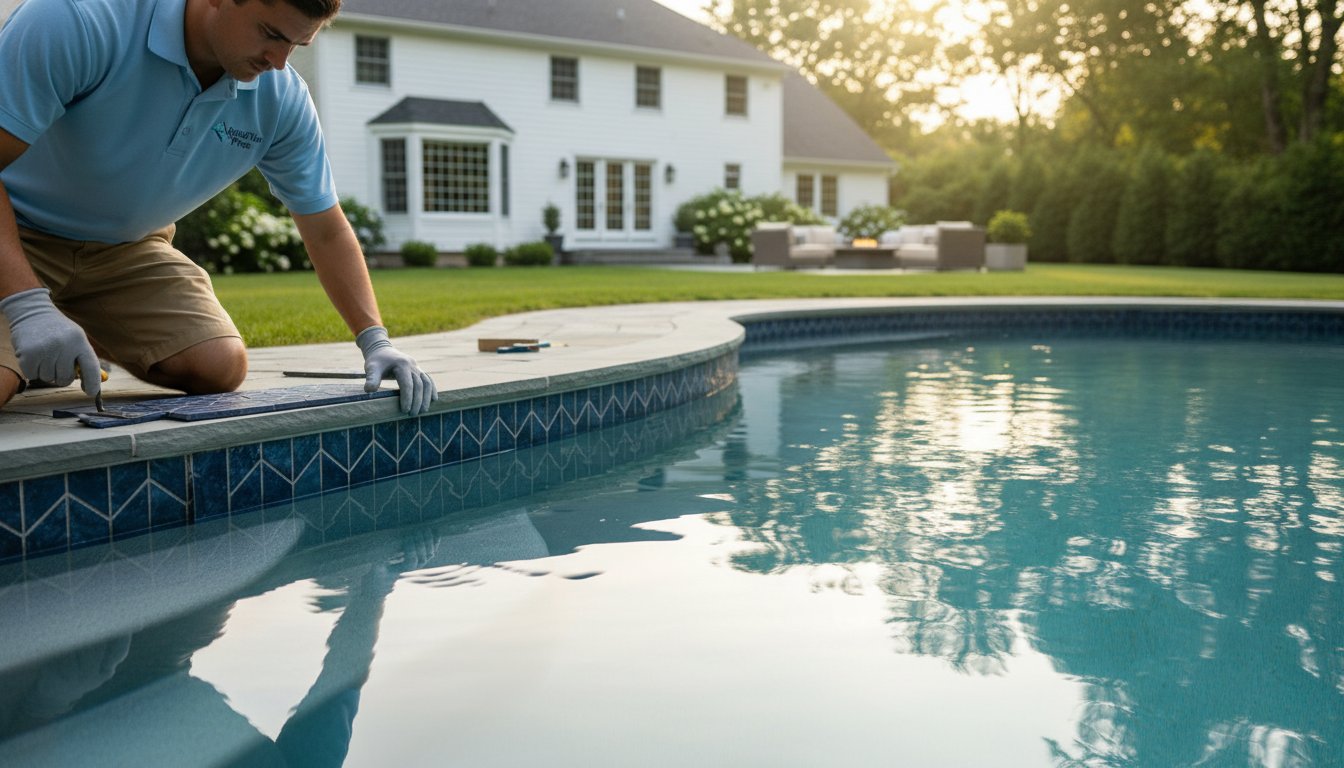
Executing a successful pool tile replacement Cresskill requires a disciplined, multi-stage workflow that prioritizes structural integrity over quick cosmetic fixes. We begin by draining the water level approximately six inches below the tile line. This provides a dry, stable workspace while protecting your pool's interior finish. To safeguard your surrounding landscape and masonry, we cover the pool deck with heavy-duty protective tarps before any work begins. Precision demolition is the next critical phase. Our team carefully removes the aged tile and the failing mud bed, stripping the area back to the raw concrete beam to ensure a clean slate for the new installation.
The most vital technical step involves beam repair and waterproofing. We inspect the exposed concrete for signs of structural fatigue or voids that could harbor moisture. After the beam is stabilized, we apply high-performance waterproof membranes. These barriers are specifically designed to stop the capillary action of water, which is the primary cause of tile failure in Northern New Jersey. Once the foundation is secure, we move to the layout and setting phase. We utilize premium, frost-rated thin-sets and grouts that offer superior flexibility during temperature shifts. The process concludes with a thorough cleanup of the site and the restoration of the water level, leaving your pool ready for the season. To get started on your renovation, you can book your Cresskill pool inspection today.
Why Beam Preparation is Non-Negotiable
We take the time to fix spalling concrete, which occurs when the surface of the beam begins to flake or chip due to internal pressure. Ignoring these defects is a recipe for disaster. We apply specialized repair mortars to restore the beam's profile before the first tile is ever set. This creates a monolithic bond between the pool shell and the new decorative layer. Installing new tile on a compromised beam is a total waste of resources; the entire assembly will likely fail within a single winter season.
Seasonal Timing: When to Book Your Cresskill Project
Timing your project correctly ensures you don't lose a single day of the swimming season. Booking an "Early Spring" slot is the most popular strategy, as it allows us to complete the work and have your pool open by May 1st. However, the fall is an overlooked but excellent time for tile work. The cooler, stable temperatures provide ideal curing conditions for mortars and grouts. By handling your pool tile replacement Cresskill in the autumn, you avoid the heavy "Summer Rush" and ensure your backyard is fully prepared for the July 4th holiday without any last-minute scheduling stress.
Transform Your Pool with Right Pool Care
Right Pool Care brings a no-nonsense philosophy to every backyard we touch. We believe that a pool renovation is more than just a construction project; it's the restoration of a sanctuary. Our team has spent over 20 years perfecting the art of pool tile replacement Cresskill, serving families in Alpine and throughout Bergen County with unwavering reliability. We treat every pool as if it were our own, ensuring that the final result isn't just beautiful, but a fortress against the elements. This commitment to excellence has established us as a leader in high-end pool restoration.
Many of our clients choose to synchronize their tile and coping repair with a vinyl liner replacement. This integrated approach allows for a total aesthetic transformation and ensures that all structural components are addressed simultaneously. Our safety-first pillar means we never cut corners. We meticulously check for sharp edges, loose stones, or uneven surfaces that could compromise the security of your swimmers. When we finish a project, we leave behind a space that is as safe as it is stunning, reflecting our pride in creating life-enhancing outdoor environments.
The Local Advantage: Why Closter-Based Expertise Matters
Operating out of Closter gives us a unique perspective on the specific challenges facing Cresskill homeowners. We understand the local water table issues and the specific zoning requirements that govern pool renovations in our area. You won't deal with faceless subcontractors or distant corporate offices. Our owner-operated team is on-site, providing direct accountability and a level of craftsmanship that only comes from decades of local experience. We take immense pride in our work site management, often leaving backyards cleaner and more organized than we found them.
Start Your Renovation Journey Today
Beginning your pool’s transformation is a straightforward, professional process. When you contact us for a detailed estimate, we schedule a comprehensive site visit to evaluate your pool’s current state. We don't just look at the surface; we analyze the underlying beam and drainage patterns to ensure our solution is permanent. You'll receive a clear, functional plan that outlines exactly what your pool tile replacement Cresskill will involve, from the initial drain to the final cleanup. Take the first step toward a restored backyard experience. Schedule your professional pool tile consultation with Right Pool Care today.
Secure Your Backyard Investment for the Seasons Ahead
A beautiful waterline is more than a design choice; it's a structural necessity that shields your pool's concrete beam from the relentless New Jersey winter. You now understand that addressing failing tiles early prevents expensive structural damage and restores the safety of your swimming environment. Whether you choose iridescent glass or classic frost-proof porcelain, the right materials combined with precision beam preparation ensure your pool remains a source of pride rather than stress. Pool tile replacement Cresskill requires a specialized touch that accounts for local soil conditions and technical code requirements.
Right Pool Care brings over 20 years of Bergen County experience and owner-operated reliability to every project. We are specialists in frost-proof renovations, ensuring your pool survives the freeze-thaw cycle with ease. Don't let another season of "popped" tiles undermine your property's value. Take the first step toward a leak-free, stunning backyard transformation today. Request a Professional Pool Tile Estimate for Your Cresskill Home and reclaim your summer sanctuary with confidence.
Frequently Asked Questions
How much does pool tile replacement cost in Cresskill?
The total investment for your project depends on the linear footage of your pool and the specific materials you choose. Every pool tile replacement Cresskill is unique, as factors like the extent of beam damage or the need for a new mud bed influence the final scope. We provide detailed, on-site evaluations to ensure you receive a clear understanding of the requirements for your specific backyard sanctuary.
How long does a typical waterline tile replacement take?
A standard waterline project usually takes between three to five working days to complete. This timeframe accounts for the precision demolition of old materials, the application of a new setting bed, and the necessary curing time for grout. While weather conditions can influence the schedule, our team works efficiently to restore your pool's beauty well before your next scheduled event.
Can I change my pool tile without resurfacing the whole pool?
It's entirely possible to replace your waterline tiles without committing to a full resurfacing project. This is an excellent way to address structural issues at the beam or update your pool's aesthetic on a more focused scale. We take specialized precautions to protect your existing interior finish throughout the demolition and installation phases.
Why do my pool tiles keep falling off every winter?
Tiles typically detach because moisture has compromised the bond between the tile and the concrete beam. When New Jersey temperatures drop, this trapped water freezes and expands, physically pushing the tiles away from their setting bed. This cycle continues every year unless the underlying beam is properly waterproofed and the tiles are set with frost-rated materials.
What is the best type of tile for a pool in New Jersey?
Porcelain and glass are the superior choices for the Northeast climate due to their extremely low water absorption rates. Porcelain offers a dense, durable body that resists cracking during deep freezes. Glass is a non-porous material that is virtually immune to frost damage, providing a high-end shimmer that lasts for decades in local conditions.
Is it possible to match my existing pool tiles if only a few are broken?
Finding an exact match for tiles installed more than ten years ago is often difficult because manufacturers frequently retire specific color lines. Even if the model is still in production, different dye lots can result in a noticeable color shift. If you don't have original tiles in storage, a full replacement is often the most professional way to ensure a uniform look.
Do I need to drain my pool completely to replace the tiles?
You don't need to empty the entire pool for a tile renovation. We typically lower the water level about six inches below the tile line to create a stable, dry environment for the mortar to bond. This approach protects the structural integrity of your pool shell and saves you the significant expense of a total water refill.
How can I tell if my pool beam is damaged behind the tile?
Horizontal cracks running through your grout lines or tiles are a major warning sign of beam distress. You can also perform a simple tap test; a hollow, drum-like sound indicates the tile and setting bed have detached from the concrete. If you see rust stains or "spalling" concrete, it's a clear signal that the internal structure requires professional attention before new tiles are set.