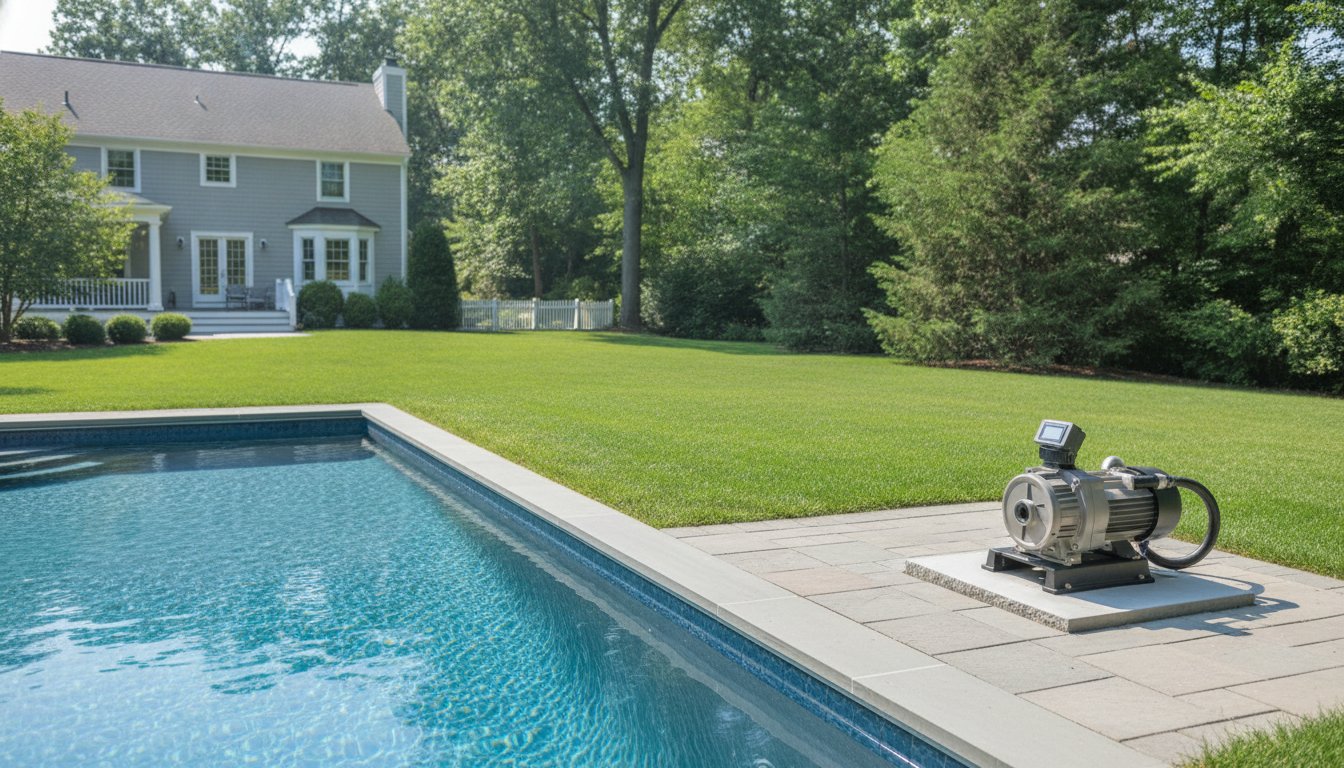
Last January, an Alpine homeowner watched their pool water level drop six inches in a single night as the temperature hit 10 degrees. This wasn't just a minor leak. It was a total failure of a liner that wasn't built for the Northern New Jersey climate. When you invest in inground pool liners, you aren't just buying a color; you're buying a 15 year shield against the freeze-thaw cycles that define life in Bergen County. We understand that your pool is the centerpiece of your home, and it should stay that way regardless of the weather.
Industry data suggests that 65% of homeowners feel overwhelmed by technical specifications like mil versus gauge during a renovation. It's common to fear that a pattern might look cheap or develop unsightly wrinkles after the first season. At Right Pool Care, we believe in miracles in the making, which starts with choosing the right materials from the beginning. You'll learn exactly how to balance high-end aesthetics with the heavy-duty specs required for our local environment. We'll preview the top 2026 design trends and the professional installation secrets that ensure your pool stays beautiful and leak-free for over a decade.
Key Takeaways
- Learn why your pool liner is the most critical waterproof membrane for preventing long-term structural damage to your Northern New Jersey property.
- Discover why 27-mil or 28-mil thickness is the expert-recommended standard for maintaining liner elasticity through harsh Bergen County winters.
- Understand how to select high-quality inground pool liners designed to withstand the unique freeze-thaw cycles and high water tables found in Alpine and Demarest.
- Explore 2026 aesthetic trends, including stone-look textures and full-floor patterns that transform your backyard into a high-end, custom oasis.
- See how the Right Pool Care "Miracles in the making" measurement process ensures a precision fit that eliminates common issues like bridge wrinkles and over-stretched corners.
What Are Inground Pool Liners and Why Do They Matter for NJ Homes?
A vinyl liner is the skin of your pool. It acts as a custom-fitted, waterproof membrane that contains thousands of gallons of water while providing the finished texture you see and feel. Understanding What Are Inground Pool Liners is essential because this component is the only thing standing between your water and your pool’s structural foundation. In the Alpine and Bergenfield areas, a high-quality liner typically lasts between 10 and 15 years. Beyond this window, the material loses the elasticity required to stay watertight.
Choosing the right inground pool liners is about more than just picking a pretty color. It's a critical safety decision. When a liner fails, water leaks into the surrounding soil. This leads to washouts, sinkholes, and severe damage to steel or polymer wall panels. We view every replacement as "Miracles in the making," where we take a leaking, dated structure and transform it into a vibrant, secure backyard centerpiece. A fresh liner acts as the anchor for your entire outdoor aesthetic, instantly modernizing a property that might have looked tired for a decade.
The Role of Vinyl in Modern Pool Renovation
Vinyl provides a much smoother surface than traditional concrete or plaster finishes. It's gentle on feet and highly resistant to algae growth. In Northern NJ, the ground is prone to shifting due to heavy clay content and intense freeze-thaw cycles. Vinyl liners are flexible enough to move with the earth. This prevents the structural cracking that often plagues masonry pools. This adaptability makes it a top choice for a swimming pool renovation Bergen County project. It integrates seamlessly with new PVC piping and updated coping to ensure long-term performance and peace of mind.
Signs It is Time for a Change in 2026
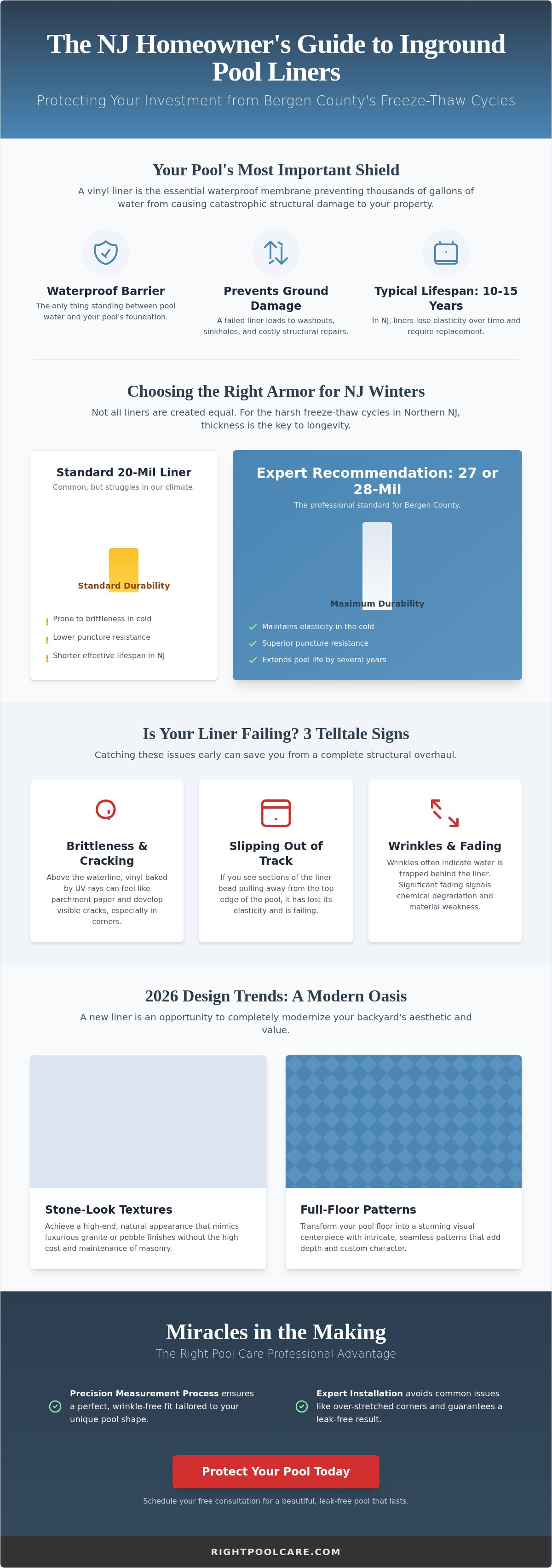
By 2026, many liners installed during the 2010 to 2014 period will reach their technical end-of-life. You can identify a failing liner by looking for "dry rot" above the waterline. This happens when UV rays bake the vinyl, causing it to become brittle and crack. If the material feels like parchment paper rather than rubber, it has lost its essential plasticizers. Fading is also more than a cosmetic issue; it's a sign of chemical degradation. Homeowners should review our vinyl pool liner checklist to identify these red flags early. Catching a leak now before it destroys the pool floor can save you from a complete structural overhaul.
- Brittleness: Check the corners for cracking or stiff material.
- Slippage: Look for sections of the liner pulling out of the track.
- Wrinkles: These often indicate water is already trapped behind the membrane.
Understanding Liner Thickness: Mil vs. Gauge for Northern NJ Pools
Choosing the right material for your pool requires looking past marketing jargon. One mil equals exactly 0.001 inches. It is a precise, technical measurement used by manufacturers to define the actual thickness of the vinyl. In contrast, "gauge" is a non-standardized term that many retailers use to make thinner materials sound more substantial. The Pool & Hot Tub Alliance sets industry standards that emphasize the importance of using verified measurements to ensure long-term structural integrity.
While 20-mil is the common residential standard, it often struggles with the environmental demands of Alpine and Bergen County. Northern NJ winters bring harsh freeze-thaw cycles that put immense stress on inground pool liners. A 27-mil or 28-mil liner provides the density needed to withstand these temperature shifts without becoming brittle. Thicker materials also offer superior puncture resistance and longer warranty periods, often extending the life of the pool by several years compared to budget alternatives.
There is a minor trade-off regarding installation. Thicker vinyl is less flexible than thinner options. This makes it harder to stretch into tight corners or complex stair configurations during a cold-weather install. Professional installers manage this by using industrial heaters to keep the material pliable, ensuring a wrinkle-free fit regardless of the material's weight.
Standard 20-Mil vs. Heavy-Duty 27-Mil Liners
Durability is the primary reason Bergen County homeowners upgrade to heavy-duty options. A 27-mil liner offers roughly 35% more material than a standard 20-mil version. This extra layer of protection is vital if you have large pets with sharp claws or use heavy-duty automatic cleaners that scrub the floor daily. It also resists damage from dropped pool toys or heavy patio furniture that might accidentally end up in the shallow end.
Some custom inground pool liners utilize a "duo-thickness" design. These liners feature 27-mil walls to combat UV degradation at the waterline while using a 20-mil floor. This combination provides maximum protection where the sun hits hardest while maintaining enough flexibility for the floor to settle into the hopper. For property owners in Alpine, the cost-to-value ratio favors the 27-mil choice. The higher upfront investment pays for itself by preventing premature leaks and extending the time between replacements.
The "Mil" Confusion: Why Accuracy Matters
Don't let a contractor sell you on "30-gauge" vinyl without seeing the actual mil specification. Retailers often use the term "gauge" to hide lower-quality, thinner materials that won't survive a single NJ winter. 27-mil is the gold standard for NJ durability.
Verify your material specs before signing any replacement contract. Ask for the manufacturer's technical data sheet to confirm the mil thickness. A reputable professional will always provide this documentation to prove they aren't cutting corners. Right Pool Care experts can help you evaluate your pool's specific needs to determine if a heavy-duty liner is the right fit for your backyard. Choosing the right thickness today prevents the stress of unexpected repairs five years down the road.
Bergen County Climate Impact: How Freeze-Thaw Cycles Affect Your Liner
Northern New Jersey winters put extreme stress on vinyl material. When temperatures drop below freezing, vinyl naturally contracts and loses its elasticity. For older inground pool liners, this loss of flexibility is often permanent. Brittle vinyl cannot handle the expansion of the ground as it freezes. This leads to stress tears at the corners and the waterline. Right Pool Care experts often see liners that have reached the end of their 10 to 12 year lifespan fail specifically during the first deep freeze of January.
In high-water-table areas like Demarest, the danger is even more specific. "Ice lenses" can form behind the liner. These are layers of frozen groundwater that expand and push against the pool wall and the vinyl. This pressure causes "bead pop-outs," where the liner pulls out of its track. Without professional winterization to balance the internal water pressure, these ice lenses can cause structural damage to the pool walls themselves. We focus on precision water leveling and chemical balancing to ensure your investment survives the winter. We don't just close pools; we perform miracles in the making by protecting your backyard sanctuary from the elements.
Homeowners often ask why they shouldn't just wait another year to replace a thinning liner. The answer is simple. A liner failure in the middle of a Bergen County winter is a catastrophe. If the liner leaks during the off-season, the pool loses the internal pressure that holds the walls up. This can lead to a total wall collapse. Replacing a collapsed wall costs 50% more than a standard liner replacement. Taking action in the fall or early spring is the only way to guarantee a worry-free summer.
Groundwater and Hydrostatic Pressure in Tenafly and Norwood
Tenafly and Norwood are known for heavy clay soil that retains moisture long after a storm. After heavy spring rains, this water builds up under the pool floor. This creates hydrostatic pressure that causes "floating liners." You'll notice large bubbles or ripples under the surface. Right Pool Care prevents this by installing well-points and dedicated drainage systems during the installation process. Our local expertise in Bergen County geography ensures your inground pool liners stay flat and secure regardless of the weather.
UV Exposure and Chemical Resilience
The North Jersey sun is stronger than many realize. Darker liner patterns are popular in Alpine because they help naturally heat the water. However, these darker pigments absorb more UV radiation, which can lead to faster fading if the vinyl isn't high-quality. Salt-water systems also require specific vinyl grades to prevent chemical degradation over time. For more technical maintenance tips on keeping your vinyl supple, view our guide on pool liner replacement. We use only the best materials designed to withstand both the sun and the salt.
Design and Aesthetics: Selecting Patterns That Elevate Your Backyard Oasis
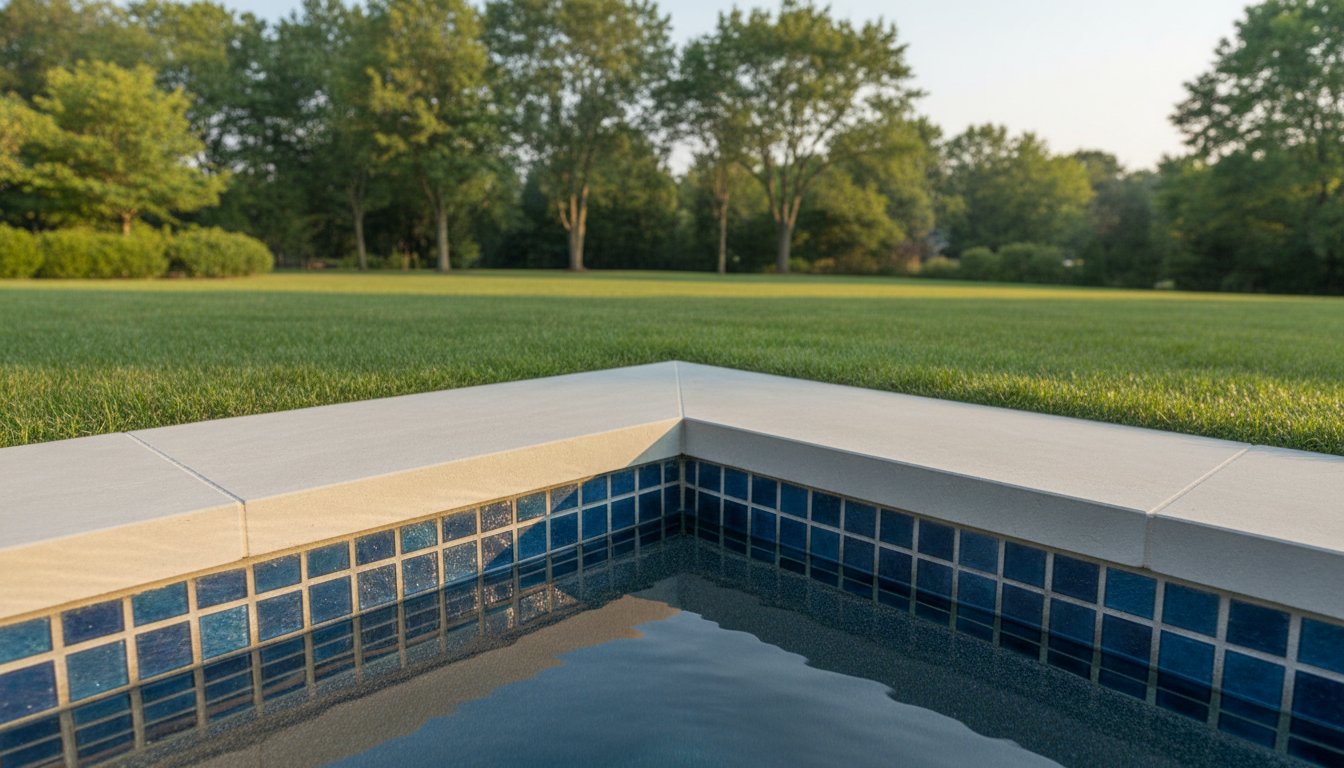
The 2026 season marks a definitive shift in how Alpine homeowners approach pool aesthetics. The era of the standard blue-border liner is fading. Modern inground pool liners now focus on "Full Floor" patterns. These designs run the pattern all the way to the top of the wall, eliminating the traditional tile-look border. This creates a sleek, monolithic appearance that mimics a high-end gunite finish. Stone-look textures, specifically those imitating Italian slate or deep granite, are the top choices for luxury renovations this year.
Water Color Science: From Caribbean Blue to Deep Sapphire
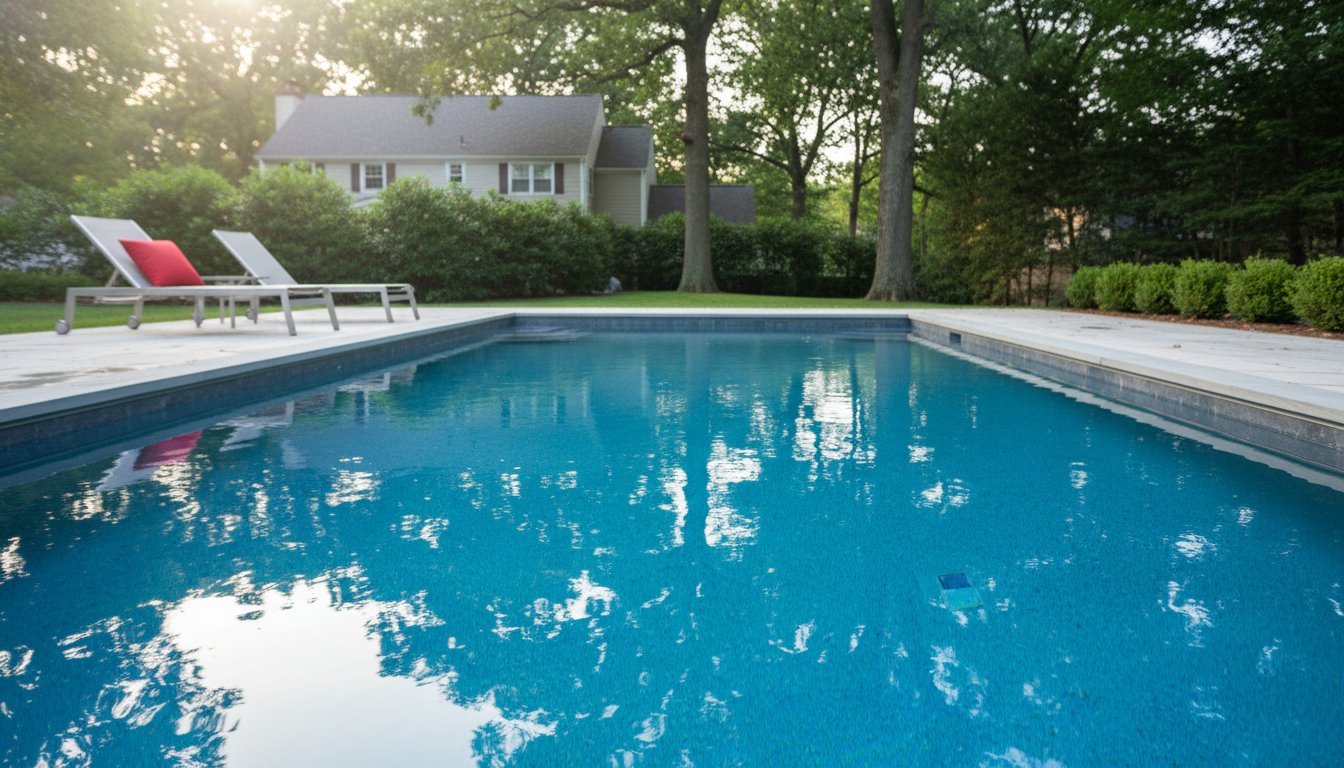
The base shade of your vinyl is the most important factor in your pool's final appearance. It's a matter of light refraction. Tan or white base liners reflect light to produce a bright, tropical teal. This look is perfect for properties with heavy sun exposure. Conversely, dark blue or charcoal grey liners create a "mirror" effect. These darker options result in a deep sapphire water tone that reflects the surrounding architecture and trees. Beyond looks, pattern choice serves a functional purpose. Busy, multi-colored stone patterns are excellent at hiding 80% of small debris and minor organic stains between cleanings. This keeps your pool looking pristine even between scheduled maintenance visits.
Textured Surfaces and Safety Features
Safety is never an afterthought in a professional installation. We prioritize non-slip textured vinyl for every set of built-in steps and tanning ledges. This "tread" material provides the necessary grip for swimmers of all ages without sacrificing the design. It's also vital to coordinate your liner with other protective elements. As custom safety covers experts, we ensure the liner fits perfectly around complex features like "wedding cake" steps or custom benches. A precise fit prevents the liner from stretching or slipping. This attention to detail extends the life of your investment by several years.
Success lies in the details of the transition. Your new liner should harmonize with your existing tile and coping. In 2026, we've seen a 45% increase in clients pairing grey-toned stone patterns with natural bluestone coping. This combination provides a sophisticated, unified look for any Bergen County backyard. Our team focuses on these technical details to ensure your renovation is a true transformation. We view every project as a miracle in the making, turning a dated basin into a modern retreat.
The Professional Advantage: Liner Replacement Services by Right Pool Care
We view every project as "Miracles in the making" because a fresh liner does more than just hold water; it restores the soul of your backyard. Replacing inground pool liners is a high-stakes task where a few millimeters make the difference between a smooth finish and a structural failure. Homeowners in Alpine and Closter often attempt DIY measurements to save costs, but this usually results in "bridge wrinkles" where the vinyl doesn't reach the corner, or over-stretched sections that thin out and leak within two seasons. Our team eliminates these risks through technical precision and local expertise.
The timeline for a professional installation is efficient and disciplined. We begin with a high-speed pump-out of the old water, followed by the surgical removal of the failed liner. Most Bergen County installations are completed in a specific sequence: site preparation on day one, liner dropping and vacuum-sealing on day two, and final plumbing pressure tests as the pool fills. This structured approach ensures your pool is ready for the New Jersey summer without delays.
Our Precision Installation Process
A perfect fit starts with multi-point triangulation. We don't just measure length and width; we map the exact contours of your pool floor and walls to create a digital blueprint. This ensures the vinyl fits like a second skin. Once the old liner is gone, we focus on the "bones" of the pool. We treat surface rust on steel walls with protective coatings and smooth out divots in vermiculite floors to prevent sharp edges from wearing through the new material.
- Wall Restoration: Scraping and treating steel panels to stop oxidation.
- Floor Smoothing: Patching cracks in the concrete or vermiculite base.
- Vacuum-Seal Method: Using industrial blowers to pull the liner tight against the walls, removing every air pocket before the water even touches the vinyl.
Why Bergen County Trusts Right Pool Care
With over 20 years of experience navigating the specific soil conditions and freeze-thaw cycles of Northern New Jersey, we understand how inground pool liners react to our climate. We aren't just installers; we are also recognized as a "Safety Cover Expert," providing a total solution that protects your investment year-round. Our deep roots in communities like Alpine and Closter mean we stand behind every seam and seal we install. We prioritize long-term durability over quick fixes, ensuring your renovation lasts for the next decade.
Don't leave your backyard transformation to chance or amateur measurements. Get the job done right the first time with our veteran crew. Schedule your professional liner consultation with Right Pool Care to secure your spot on our 2026 installation calendar.
Protect Your Alpine Pool Investment for the 2026 Season
Your pool is the heart of your outdoor space. Selecting the right inground pool liners requires balancing aesthetics with the technical demands of the Northern NJ climate. Our local freeze-thaw cycles demand high-mil materials that maintain flexibility during the coldest months. Right Pool Care brings 20+ years of Bergen County expertise to every installation, ensuring a precision fit that eliminates wrinkles and extends the life of your pool. We're certified safety cover and liner experts who understand that quality craftsmanship is the only way to avoid costly repairs down the road. Take a look at our portfolio to see our miracles in the making. We're ready to transform your backyard into a reliable, beautiful oasis for your family to enjoy. Start your renovation today by contacting the local leaders in pool restoration.
Get a Custom Quote for Your Liner Replacement
We look forward to helping you create the perfect backyard retreat.
Frequently Asked Questions
How long does an inground pool liner typically last in New Jersey?
A high-quality liner in New Jersey typically lasts between 10 and 15 years. Factors like the harsh winters in Bergen County and intense UV exposure during July and August impact this lifespan. Proper chemical maintenance can extend this duration by 20%. Right Pool Care ensures every installation uses premium materials to maximize these years. If your liner is over 12 years old, it's time for a professional inspection.
Can I replace my own inground pool liner to save money?
You can attempt a DIY replacement, but 75% of homeowners who try it encounter significant fitting issues or structural damage. Professional installation prevents common errors like wrinkles, floating liners, or improper bead seating. Right Pool Care uses specialized vacuums to ensure a perfect fit. Saving a few dollars now often leads to a $2,000 repair bill later when the liner fails prematurely.
What is the best time of year to replace a pool liner in Bergen County?
Spring and early autumn are the ideal times for liner replacement in northern New Jersey. Specifically, the months of April, May, September, and October offer the perfect temperature range between 60 and 80 degrees. This allows the vinyl to stretch properly without overextending. Scheduling during these windows ensures your pool is ready for the Memorial Day opening or safely winterized before the Alpine frost hits.
Will a thicker 27-mil liner make my pool warmer or last longer?
A 27-mil liner provides superior puncture resistance but doesn't significantly increase water temperature. Thermal retention is mostly determined by solar covers or heaters rather than vinyl thickness. However, the thicker material offers 25% more durability against physical damage from pets or debris. Right Pool Care often recommends these for high-traffic family pools in Alpine to ensure long-term reliability and peace of mind.
How do I know if my pool liner is leaking or just evaporating?
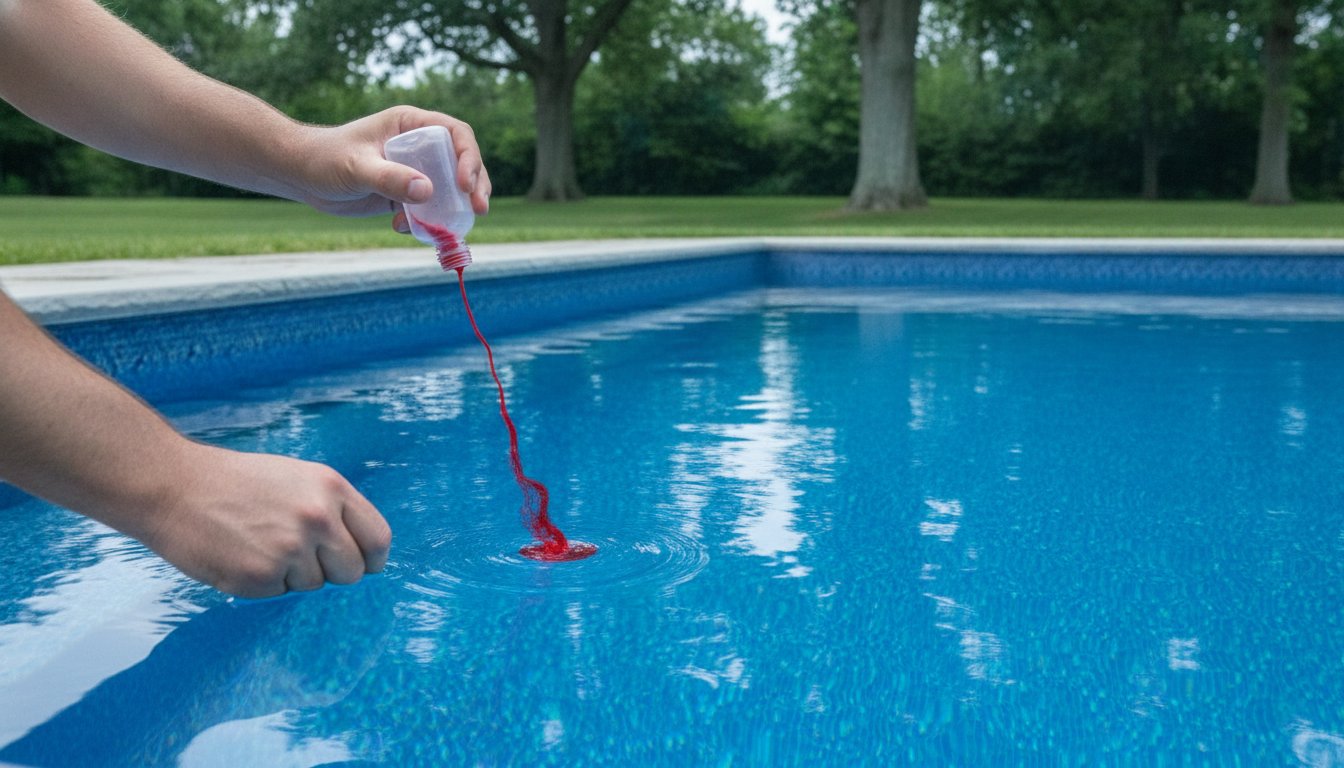
Use the bucket test to determine if your water loss is from a leak or standard evaporation. Place a bucket on the pool step and fill it to match the pool's water level. If the pool level drops more than the bucket level after 24 hours, you likely have a leak. Typical evaporation in Bergen County is about 1/4 inch per day during peak summer heat.
Does a new liner include replacement of the gaskets and faceplates?
Yes, a professional installation from Right Pool Care always includes new gaskets and faceplates for your skimmers, returns, and drains. Reusing old hardware leads to a 40% higher risk of leaks at the seal points. We replace these components to ensure a watertight finish and a fresh aesthetic. This standard practice is part of our commitment to delivering miracles in the making for every client.
How much does an inground pool liner replacement cost in Alpine, NJ?
Costs for inground pool liners vary based on pool size, shape, and site conditions. According to 2024 industry reports from platforms like Angi, professional installation for inground vinyl pools typically ranges between $2,300 and $7,500. Alpine properties often feature custom shapes or larger dimensions that influence the final investment. Right Pool Care provides detailed, transparent estimates after a physical site assessment to ensure accuracy.
Can I change the depth or shape of my pool when I replace the liner?
You can modify the depth or shape of your pool during a liner replacement, but it requires structural floor work. Right Pool Care experts can lower a deep end or add built-in stairs during the renovation process. These changes require a custom-measured inground pool liners order to fit the new dimensions perfectly. It's the best time to transform your backyard layout while the old vinyl is already removed.