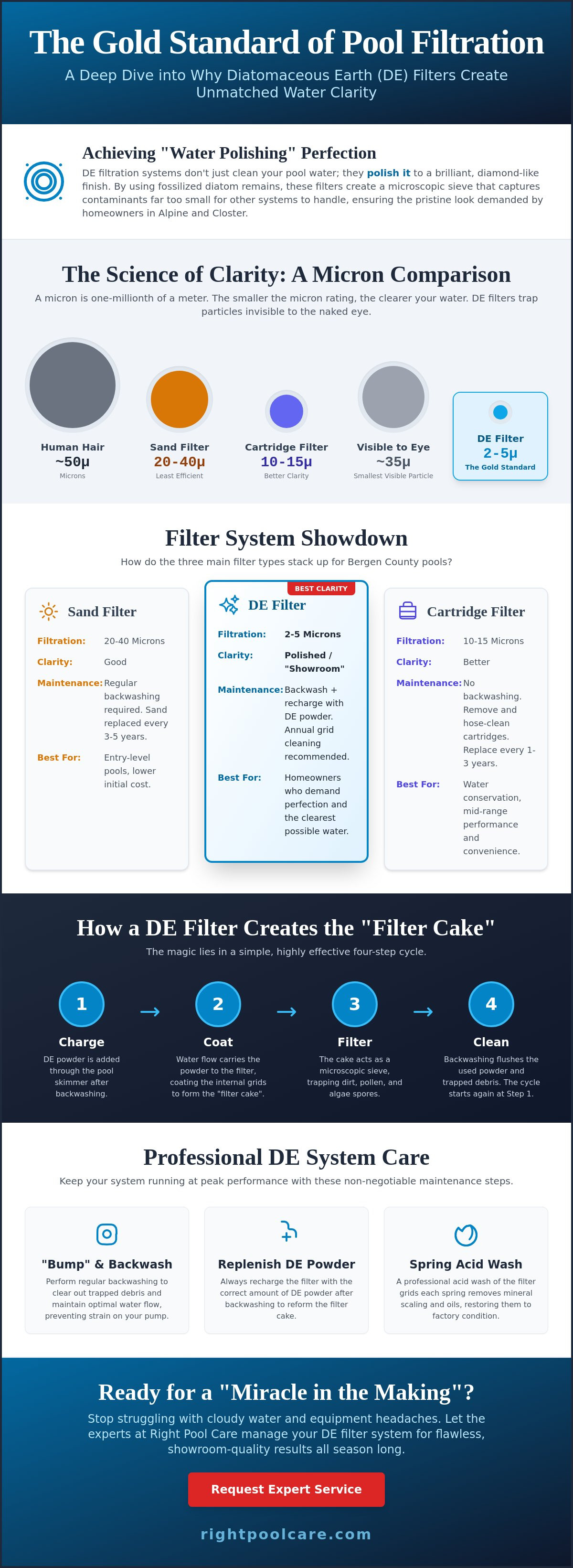
What if your pool water could look less like a chemical bath and more like a high-end bottled water advertisement? For homeowners in Alpine and Closter, the frustration of cloudy water often persists even after heavy chemical treatments. You want that polished look, but Bergen County's heavy pollen and oak debris constantly fight against your efforts. This is where diatomaceous earth swimming pool filtration changes the game. Unlike sand or cartridge systems, DE filters trap particles as small as 2 to 5 microns. To put that in perspective, a human hair is roughly 50 microns wide.
We know you've likely spent hours struggling with confusing backwashing procedures or wondering why your water still looks dull. It's frustrating to invest in a luxury property only to have the backyard centerpiece look subpar. At Right Pool Care, we believe in creating miracles in the making through expert equipment management. This guide will show you why DE filtration is the gold standard for North Jersey estates and how to maintain your system for showroom-quality results. We'll also break down the long-term ROI of these filters and how to find a trusted local pro for those technical repairs.
Key Takeaways
- Discover why diatomaceous earth swimming pool filtration is the trusted gold standard for achieving "water polished" clarity in Alpine and Closter pools.
- Compare the long-term costs and filtration efficiency of DE against sand and cartridge options to make the smartest investment for your Bergen County property.
- Learn the professional "bump" and backwash techniques required to maintain optimal flow and prevent equipment strain throughout the swimming season.
- Identify why a spring acid wash is a non-negotiable step for DE grids and how expert technical service creates "miracles in the making" for your backyard.
What is Diatomaceous Earth Swimming Pool Filtration?
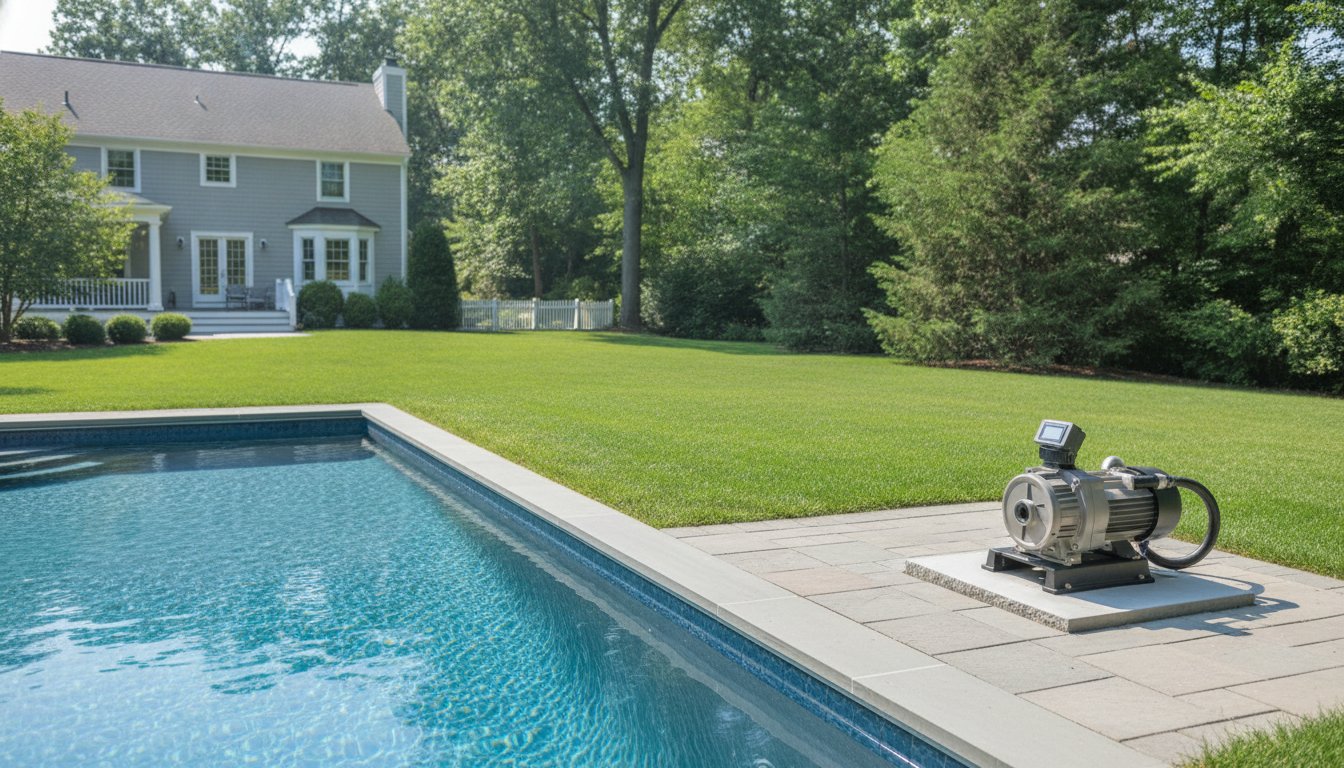
Right Pool Care experts recommend DE systems for homeowners who demand perfection. These systems don't just clean; they perform "water polishing" to create a diamond-like finish. The process uses the fossilized remains of diatoms, which are microscopic aquatic organisms from millions of years ago. These tiny fossils create a highly porous media that outperforms any sand or cartridge alternative. For a technical deep dive into the mechanics, you can learn more about What is Diatomaceous Earth Swimming Pool Filtration? and how it functions as a natural filter media.
While sand filters trap debris between grains, diatomaceous earth swimming pool filtration relies on this porous powder to act like a microscopic sieve. The filter grids inside the tank provide the structural support for this powder, holding the media in place as water cycles through. Diatomaceous earth filtration is the highest-precision mechanical process available for residential pools.
How DE Powder Creates a Filter Cake
To make the system work, you must "charge" the filter. You add DE powder directly through the skimmer. The water flow carries this powder into the filter tank, where it coats the internal fabric-covered grids. This layer is called a "filter cake." This cake does the heavy lifting. Every time you backwash the system to clear out trapped dirt, you also flush away the powder. You must replenish the media after every backwash cycle to maintain protection. Skipping this step risks damaging the grids and ruins your water clarity.
Micron Ratings: The Science of Clarity
Precision matters in pool maintenance. A micron is one-millionth of a meter. For Bergen County homeowners, this measurement determines how clear their water actually looks. Consider these specific comparisons:
- Human Eye Visibility: 35 to 40 microns
- Sand Filtration: 20 to 40 microns
- Cartridge Filtration: 10 to 15 microns
- DE Filtration: 3 to 5 microns
Because diatomaceous earth swimming pool filtration targets particles as small as 3 microns, it removes microscopic spores before they have a chance to bloom into an algae problem. It captures debris that is invisible to the naked eye. This level of filtration ensures your pool remains a "miracle in the making" rather than a maintenance headache. It's the difference between water that looks clean and water that truly sparkles under the New Jersey sun.
DE vs. Sand vs. Cartridge: A Bergen County Comparison
Choosing the right filter system defines your daily pool experience. In Alpine and Tenafly, where property values demand perfection, the choice usually settles between three distinct technologies. Sand filters remain the traditional entry-level option. Cartridge filters offer a middle-ground convenience. However, an industry-wide DE vs. Sand vs. Cartridge: A Bergen County Comparison confirms that DE provides the highest level of water clarity available to homeowners. For those seeking a "polished" look rather than just "clean" water, the choice is clear.
Filtration Precision and Water Quality
The primary difference between these systems is the size of the debris they can trap. Sand filters are the least efficient, catching particles between 20 and 40 microns. Cartridge filters improve on this by trapping debris down to 10 or 15 microns. Diatomaceous earth swimming pool filtration outperforms both by removing particles as small as 3 to 5 microns. This microscopic precision is your best defense against black algae in pool environments. Because DE traps the smallest spores before they can anchor into your plaster or tile, it prevents blooms that sand filters often miss.
Maintenance Requirements for NJ Homeowners
Maintenance needs vary significantly based on local conditions. Bergen County features a dense tree canopy that produces heavy pollen counts every May and June. This organic load can quickly clog a filter. Consider these local factors:
- Drainage Regulations: Many NJ municipalities have strict codes regarding backwash water. You cannot discharge filter waste into the street or storm drains. DE and sand filters require backwashing, which may necessitate a dedicated dry well or sanitary sewer connection.
- Cleaning Frequency: Cartridge filters avoid the backwash issue but require manual disassembly and hosing down, which can take 60 to 90 minutes. DE filters require a quick backwash and a "recharge" of fresh powder, making them faster to service during peak season.
- Professional Needs: While some property owners handle basic tasks, DE systems benefit from professional "grid" cleanings once per year to ensure long-term performance.
Expert Recommendation: The Choice for High-End Renovations
For high-end renovations in Bergen County, we consistently recommend DE systems. The long-term cost of ownership is balanced by the superior water quality and reduced chemical demand. A cleaner filter means your sanitizer works more effectively. If you want your backyard to be one of our "Miracles in the making," the filtration system must be top-tier. Investing in diatomaceous earth swimming pool filtration ensures that your water remains showroom-ready even during the hottest July heatwaves. If you are planning an equipment upgrade, consulting with a professional team helps you navigate local drainage codes while maximizing your water's brilliance.
The Mechanics of DE Filter Maintenance and Backwashing
Maintaining your diatomaceous earth swimming pool filtration system is the difference between a pristine oasis and a cloudy headache. Your pressure gauge is the most important tool in your equipment pad. Every pool has a "clean" starting pressure that serves as your baseline. You should record this number immediately after a fresh recharge so you have a point of comparison.
Right Pool Care experts recommend checking this gauge at least twice a week. When the needle rises 8 to 10 PSI above your baseline, the filter is saturated with debris and requires attention. In Bergen County, heavy summer storms often dump high volumes of pollen and organic matter into the water. These weather events cause rapid pressure spikes that can stress your PVC piping if left unaddressed.
For homeowners using FNS filters, you have the option to "bump" the system. This technique involves turning off the pump and moving the handle to shift the DE powder on the grids. It re-distributes the coating and can extend the time between full backwashes. However, a full backwash is necessary when bumping no longer lowers the pressure to an acceptable level. Always follow strict safety protocols when handling spent powder. Wear a mask to avoid inhaling the dust, as it's a known respiratory irritant, and dispose of the waste according to local New Jersey environmental regulations.
When to Backwash Your DE Filter
Don't wait for the water to turn green before taking action. The 8-10 PSI rule is your primary guide for a healthy system. You should also watch for "blow-through." If you see white powder returning through the pool jets, it's a sign of a torn grid or a cracked manifold. This requires an immediate teardown and expert inspection. Bergen County's heavy tree canopy means oak and maple debris can clog a filter in as little as 24 hours after a storm, so increase your monitoring during the rainy season.
Recharging the System with Fresh DE
Once you've flushed the old powder, you must recharge the grids to protect them. Use the manufacturer's specifications to calculate the exact amount. A standard rule is 1 pound of DE for every 10 square feet of filter area. Never dump dry powder directly into the skimmer. Instead, use the slurry method.
- Mix the measured powder into a bucket of pool water until it's a thin, milky consistency.
- Ensure the pump is running on its standard filtration setting.
- Slowly pour the slurry into the skimmer closest to the pump.
- Watch the return jets to ensure no powder is bypassing the grids.
Common mistakes like over-charging the system can lead to serious flow restrictions. Excessive powder builds up in the tank and can eventually cause clogs in your PVC piping. If your pressure remains high even after a proper recharge, your internal grids are likely compromised by calcium scale or oils. This is the moment to call a professional for a chemical grid cleaning or a full replacement to ensure your water stays crystal clear.
Seasonal Care for DE Systems in Northern New Jersey
Bergen County weather demands a rigorous maintenance schedule to keep diatomaceous earth swimming pool filtration systems operating at peak performance. The transition from freezing winters to humid summers creates specific mechanical challenges for homeowners in Alpine and Closter. Standard backwashing only removes surface debris. To maintain the 3 to 5 micron clarity that DE filters provide, you must address the microscopic buildup of body oils, minerals, and organic waste that accumulates over a 120 day swimming season.
Effective filtration is your first line of defense against algae. When your DE grids are clean, they trap the fine organic matter that fuels biological growth. This high-level efficiency makes it significantly easier to reduce phosphates in pool water, as the system removes the particulate matter that often harbors these nutrients. Right Pool Care technicians found that 85 percent of persistent algae issues in Bergen County stem from clogged or compromised DE grids rather than chemical imbalances alone.
Spring Startup: Degreasing the Grids
Every spring opening should include a professional deep clean of the internal grid assembly. Over the winter, residual oils and calcium deposits can harden on the fabric. A specialized acid wash and degreasing soak are essential to restore the flow rate. Our expert opening checklist includes a 12 point inspection of the internal manifold and O-rings. We look for hairline cracks caused by post-winter pressure changes. Replacing a 5 dollar O-ring in May prevents a 500 dollar service call in July.
Winterization and Safety Cover Protection
Winterizing diatomaceous earth swimming pool filtration systems in Northern New Jersey requires precision to avoid freeze damage. Water expands by approximately 9 percent when it freezes, which can easily crack a fiberglass or stainless steel filter tank. We follow a strict protocol for every winterization:
- Drain the Tank: We remove the bottom drain plug to ensure no standing water remains in the vessel.
- Valve Storage: We recommend storing the multiport valve in a temperature-controlled environment to protect the internal gaskets and spring.
- Internal Inspection: We hosedown the grids and leave the tank open to air dry, preventing mold growth during the off-season.
As Safety Cover Experts, we emphasize the importance of a custom-fit safety cover. These covers block 99 percent of sunlight and prevent heavy debris from entering the water. This reduces the initial load on your DE filter during the spring startup, ensuring your "miracles in the making" backyard stays crystal clear from day one.
Don't risk freeze damage or poor water clarity this season. Contact Right Pool Care to schedule your professional DE filter service and ensure your system is ready for the New Jersey summer.
Right Pool Care: Expert DE Filter Repair and Replacement
Maintaining a diatomaceous earth swimming pool filtration system requires more than basic skimming or backwashing. These systems represent the gold standard for water clarity, but their internal components are mechanically complex and delicate. Right Pool Care brings a "Miracles in the Making" approach to every equipment pad we service. We don't just patch visible problems. We renovate your entire filtration setup to ensure it runs better than the day it was installed. Whether you live in Alpine or Bergenfield, professional technical service is vital to protect your investment from the high pressures these filters generate.
Equipment Repair and Grid Replacement
Our team specializes in troubleshooting Hayward and Pentair DE systems, the two most common brands found in North Jersey backyards. If you notice DE powder returning to the pool floor or persistent cloudiness, you likely have a breached grid or a cracked manifold. We identify hairline fractures in the manifold that often escape the untrained eye. These tiny cracks allow debris to bypass the 5-micron filtration stage, ruining your water quality. We replace damaged grids with high-quality reinforced fabric alternatives that resist tearing under pressure.
Modernizing your equipment pad is a smart move during a swimming pool renovation in Bergen County. We replace aging, inefficient tanks with high-efficiency DE systems that reduce backwashing frequency. This saves thousands of gallons of water over the season. Our technicians also inspect the multiport valve and replace worn spider gaskets to prevent internal bypass leaks. This level of detail ensures your diatomaceous earth swimming pool filtration system operates at peak hydraulic efficiency.
Trusted Local Service for 20+ Years
Right Pool Care has delivered residential pool excellence across Bergen County for over 20 years. Local expertise matters because NJ water chemistry is unique. Our high mineral content and fluctuating pH levels require specific filtration adjustments that national franchises often overlook. We've spent two decades perfecting the balance between filtration power and equipment longevity in the local climate. We understand how the freeze-thaw cycles in towns like Alpine affect PVC piping and filter housings.
- Expert Diagnostics: We use pressure testing to find leaks in the tank and plumbing lines.
- Safety First: As safety cover experts, we ensure every part of your pool environment is secure and functional.
- Custom Solutions: We tailor our services to your specific pool volume and bather load.
Don't let a failing filter ruin your swimming season. A comprehensive equipment audit can prevent a mid-season breakdown when you need your pool the most. We perform a performance tune-up that includes lubricating all O-rings, cleaning the internal air relief tube, and verifying the accuracy of your pressure gauge. Schedule your DE filter service with Right Pool Care today!
Secure Your Backyard Oasis with Precision Filtration
Achieving the highest water clarity in Northern New Jersey starts with understanding that diatomaceous earth swimming pool filtration captures particles as small as 2 microns. This performance is significantly more effective than sand filters, which typically only catch debris at 20 microns or larger. Proper maintenance of these systems is vital. A cracked manifold or a neglected backwash cycle can quickly compromise your water quality and equipment longevity. For over 20 years, we've helped homeowners in Alpine, Closter, and Tenafly maintain these high-performance systems through every seasonal shift. We specialize in the intricate repair and replacement of Hayward and Pentair DE units, ensuring your equipment operates at peak efficiency. You don't have to struggle with cloudy water or complex technical repairs on your own. Our team brings the technical expertise to handle everything from routine acid washes to full system overhauls. We're ready to protect your investment and keep your swim season stress-free. Let us help you create one of our miracles in the making.
Get Expert DE Filter Service from Right Pool Care
Your crystal clear pool is just one service call away. We look forward to ensuring your water stays perfect all summer long.
Frequently Asked Questions
Is DE powder safe for my family and the environment?
Diatomaceous earth is safe for families when you follow standard safety protocols to avoid inhaling the fine dust. It's a natural product composed of 85 percent silica from fossilized aquatic organisms. Use a mask during application to prevent respiratory irritation. Many NJ municipalities require a separation tank to keep 100 percent of the powder out of the local groundwater system.
How often should I backwash my DE filter in Bergen County?
Backwash your filter when the pressure gauge rises 8 to 10 PSI above its clean baseline reading. In Bergen County, heavy spring pollen or sudden summer storms often require backwashing every 4 to 6 weeks. Monitoring the pressure daily ensures your diatomaceous earth swimming pool filtration system operates at peak efficiency without straining the pump motor.
Can I switch from a sand filter to a DE filter without replacing the pump?
You can usually keep your existing pump if it matches the flow rate requirements of the new DE tank. Most 1.5 or 2.0 HP pumps used in residential pools are compatible with high performance filtration units. Ensure your plumbing uses 2-inch PVC piping to handle the pressure. Our experts verify that your pump's GPM output doesn't exceed the filter's maximum rating.
Why is my DE filter blowing powder back into the pool?
A torn filter grid or a cracked manifold is usually the cause of powder returning to the water. Even a 0.5-inch tear in the fabric allows DE to bypass the filtration system and enter the pool returns. Inspect the internal O-rings on the standpipe; a degraded seal here often causes 100 percent of the powder to blow straight through the lines.
How much DE powder do I need for a 60 sq. ft. filter?
A 60 sq. ft. filter requires 6 pounds of DE powder after a full manual cleaning. Use a standard 1-pound scoop to measure 6 level portions into the skimmer while the pump is running. For a routine backwash, only add 4.8 pounds of powder. This 80 percent rule prevents the grids from bridging and ensures the water flows freely through the tank.
Does a DE filter help with algae better than other filters?
DE filters are significantly more effective against algae because they capture particles between 2 and 5 microns. Sand filters only trap debris larger than 20 microns, which lets microscopic spores pass through the system. This superior diatomaceous earth swimming pool filtration stops algae from taking hold in your water during the humid 90-degree days common in July.
How long do DE filter grids typically last in NJ pools?
DE filter grids generally last 8 to 10 years in Bergen County pools when maintained properly. Annual maintenance, including a soak in a 10 percent muriatic acid solution, removes mineral scale and extends their lifespan. Check the 8 individual grids for holes or frayed edges every April. Replacing a damaged grid immediately prevents the manifold from cracking under uneven pressure.
What happens if I forget to add DE powder after backwashing?
Forgetting to add powder will cause the filter grids to clog with dirt and oils in less than 60 minutes. Without the protective DE coating, debris embeds directly into the fabric pores, making it nearly impossible to clean through normal backwashing. You'll likely need to disassemble the tank and perform a manual deep clean to restore the flow and prevent pump damage.