Last Saturday, a homeowner in Bergen County discovered that their Friday afternoon chemical treatment resulted in a cloudy, green mess by pool time. You’ve likely stood on your deck feeling that same frustration when your test kit says everything is fine, but the water still looks like a swamp. It's common to fear that a heavy dose of pool shock might solve the algae problem but end up bleaching or damaging your custom vinyl liner. We understand that your pool is an investment, and seeing it sidelined by chemical odors or murky water is a major stressor.
At Right Pool Care, we specialize in those miracles in the making that turn problematic water into a safe, sparkling sanctuary for your family. This guide provides the technical expertise you need to handle chemicals with the confidence of a local pro. We will show you how to eliminate 99.9% of bacteria and protect your liner's 15 year lifespan through proper application techniques. You are about to learn the specific steps to restore clarity and ensure your Northern NJ pool remains the best spot on the block all summer long.
Key Takeaways
- Understand the "Chlorine Paradox" and how super-chlorination effectively eliminates organic contaminants to restore water clarity.
- Master professional safety protocols and water balancing techniques to protect your vinyl liner from chemical damage.
- Choose the most effective pool shock for your NJ backyard by comparing the potency and safety of Cal-Hypo, Di-Chlor, and chlorine-free alternatives.
- Learn how to adjust your maintenance routine for local environmental challenges like heavy tree canopies and sudden Bergen County rainstorms.
- Identify the specific warning signs that signal your pool needs professional-grade intervention to achieve a true "miracle" transformation.
What is Pool Shock and Why is it Essential for Your NJ Pool?
Maintaining a crystal clear pool in Northern NJ requires more than just a few tablets in the skimmer. You need to understand the process of Shock chlorination. Essentially, pool shock is the process of "super-chlorinating" your water. It involves adding a high dose of oxidizer to destroy organic contaminants that regular maintenance doses cannot handle. At Right Pool Care, we view every backyard as a miracle in the making, but without regular shocking, that miracle can quickly turn into a green, algae-filled nightmare.
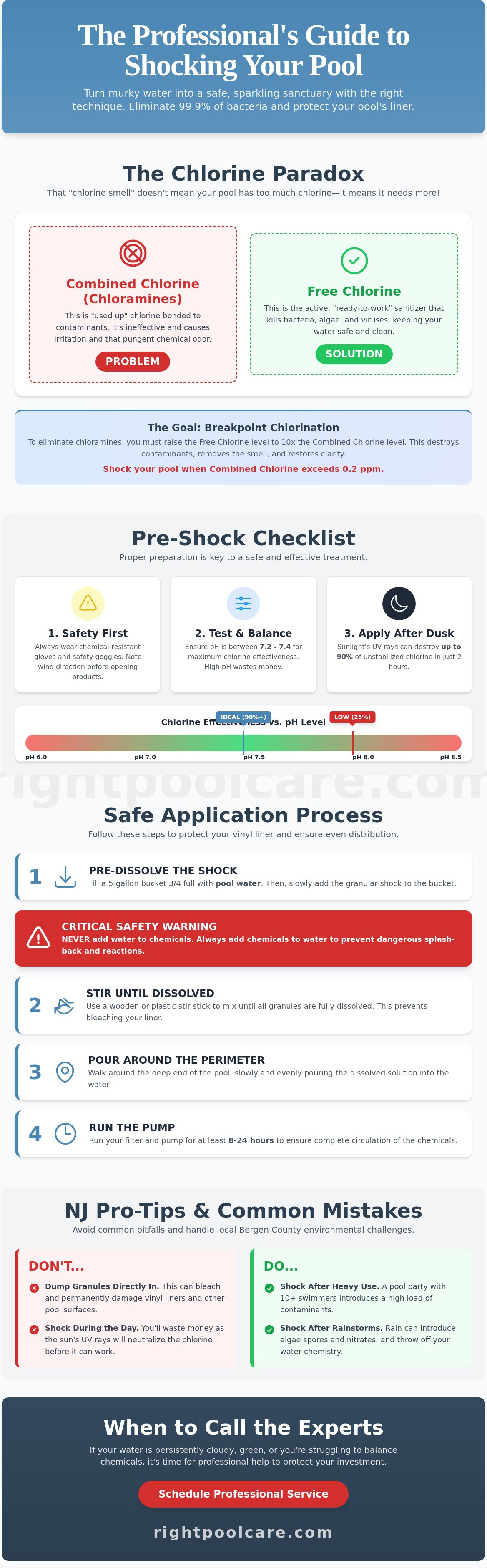
Homeowners often encounter the Chlorine Paradox. You might walk onto your deck and notice a pungent, chemical odor. Most people assume the pool has too much chlorine. In reality, that smell indicates your pool needs more. That scent comes from chloramines, which are the byproduct of chlorine that has already attached itself to contaminants. It's no longer active; it's exhausted. To fix this, you must distinguish between Free Chlorine and Combined Chlorine. Free Chlorine is the active sanitizer ready to kill bacteria. Combined Chlorine is the "used up" version. When Combined Chlorine levels exceed 0.2 parts per million, it's time to act.
Breaking Down Chloramines
Chloramines are the primary culprits behind red eyes and itchy skin. They form when chlorine reacts with nitrogen or ammonia. This often happens after a busy weekend with 10 or more swimmers in the water. We use the process of breakpoint chlorination to solve this. This involves raising the chlorine level to 10 times the amount of the Combined Chlorine present. Breakpoint chlorination is the threshold where added chlorine finally destroys all contaminants. Once you hit this point, the smell vanishes and the water regains its clarity.
The Role of Oxidation
Your filter is great for catching leaves and hair, but it cannot stop microscopic organic matter. Pool shock acts as a chemical "burn off" for dead algae, skin cells, and sunscreen oils. These substances are too small for standard sand or DE filters to trap effectively. In Northern NJ, heavy bather loads or a sudden Closter summer thunderstorm can introduce a massive amount of organic debris in under 60 minutes. High winds often dump pollen and nitrates into the water, providing a feast for algae. Regular oxidation ensures these microscopic threats are eliminated before they can bloom, keeping your investment safe and your water sparkling for the next weekend barbecue.
Step-by-Step Guide: How to Properly Shock Your Pool
Safety is your first priority when handling concentrated chemicals. Put on chemical-resistant gloves and safety goggles before you open any packaging. Always check the wind direction to ensure the powder doesn't blow back into your face or onto your clothes. In Bergen County, we follow the "Evening Rule" for every application. You should only apply pool shock after dusk. Sunlight triggers UV degradation that can destroy up to 90% of unstabilized chlorine in just two hours. By waiting until the sun goes down, you ensure the chemical stays in the water long enough to kill bacteria and organic contaminants.
Preparation and Water Balancing
Your chemicals won't work if the water chemistry is off. You must balance the pH and Alkalinity before you begin the process. Aim for a precise pH level between 7.2 and 7.4 for maximum efficiency. When your pH hits 8.0, your chlorine is only about 25% effective. This waste of money is easily avoided with a quick pre-treatment test. Before adding anything, use a skimmer net to remove leaves and organic debris. This ensures your Pool and Spa Chemicals target microscopic bacteria instead of being consumed by surface waste.
The Application Process
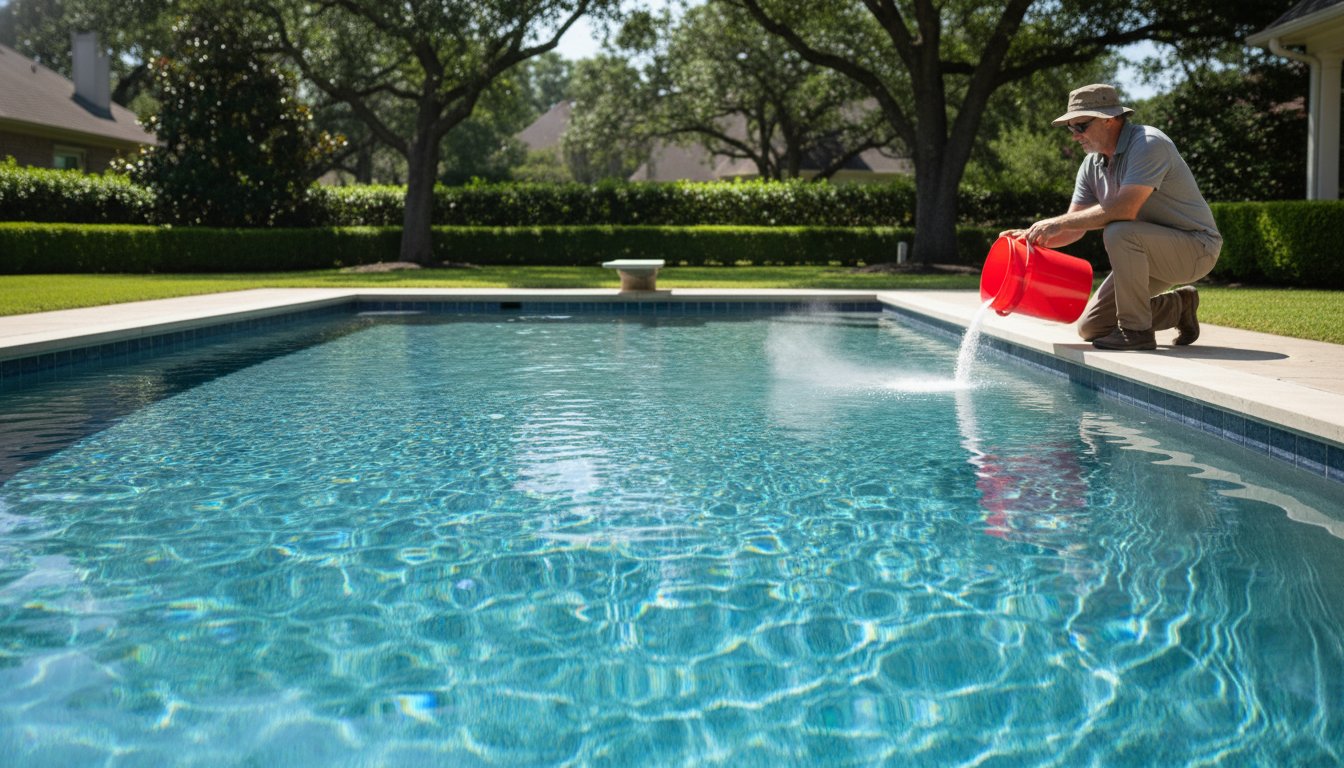
Never dump granular shock directly into the water. This can cause permanent bleaching on vinyl liners and damage your pool's finish. Instead, follow these steps for a safe application:
- Fill a 5-gallon bucket about three-quarters full with pool water.
- Slowly add the granular pool shock to the water in the bucket; never add water to the chemical.
- Stir the mixture with a wooden or plastic tool until the granules are fully dissolved.
- Walk the perimeter of the deep end and slowly pour the solution into the water.
Once the application is complete, run your filtration pump for a full 24 hours. This ensures total circulation and prevents chemical pockets from forming. If your equipment seems sluggish during this process, it might be time for a professional equipment inspection to keep your system running at peak performance.
Post-Shock Safety
Patience is key for swimmer safety. Never add pool shock through the skimmer because the concentrated chemicals can damage your PVC piping, O-rings, and pump seals over time. You must wait for the chemical levels to stabilize before anyone enters the water. Use your test kit to verify the chemistry. The safe swimmable Free Chlorine range is 1-4 ppm. This waiting period usually takes 12 to 24 hours depending on the initial algae levels and the strength of the product used. We focus on these details to ensure your backyard remains a safe environment for your family.
Choosing the Right Chemical: Cal-Hypo, Di-Chlor, or Chlorine-Free?
Choosing the correct pool shock determines how quickly you can return to your swim schedule. Different formulas react uniquely to Northern NJ water conditions. You must match the chemical to your specific pool surface and current chemistry levels to avoid liner damage or equipment scaling. The Environmental Protection Agency (EPA) on pool shock explains that these products are regulated to ensure they effectively manage bacteria and organic contaminants through oxidation. Selecting the wrong type can lead to cloudy water or chemical imbalances that take weeks to fix.
Calcium Hypochlorite (Cal-Hypo)
Cal-Hypo remains the gold standard for aggressive algae removal. It boasts a high chlorine concentration, typically between 65% and 75%. This potency makes it our top recommendation for heavy-duty spring openings in Tenafly and Alpine. It hits the water hard and kills pathogens fast. You should use caution if you live in an area with hard water. Cal-Hypo adds calcium to the pool with every dose. Over time, this leads to scale on your tile and coping. It often causes a few hours of cloudiness while it works, so it's best to apply it at night to allow the filter to clear the water by morning.
Sodium Di-Chlor
Sodium Di-Chlor is a stabilized pool shock. It includes Cyanuric Acid (CYA) to provide built-in UV protection. This is a favorite for vinyl liner pools because the granules dissolve almost instantly. This rapid dissolution prevents the bleaching and brittleness associated with slower-dissolving chemicals sitting on the floor. You must track your CYA levels carefully. Every bag of Di-Chlor adds more stabilizer to your water. If your CYA climbs above 80 or 90 ppm, you risk "chlorine lock." This renders your sanitizer useless regardless of how much you add, often requiring a partial drain and refill to correct.
Chlorine-Free Oxidizers
Potassium monopersulfate (MPS) serves as a powerful refresh for your water. It doesn't raise chlorine levels. Instead, it breaks down organic contaminants like body oils, sweat, and lotions. This is the ideal solution for high-traffic luxury rentals in Bergen County. It follows the "15-minute rule," meaning the pool is ready for swimmers almost immediately after application. MPS won't kill an active algae bloom, but it prevents the buildup of irritating chloramines. It keeps your water crystal clear without the harsh chemical odor or eye irritation common with traditional chlorine products.
Common Mistakes and Local NJ Environmental Challenges
In Northern New Jersey, local conditions dictate your maintenance schedule. In Alpine, the heavy tree canopy creates a "pollen punch" that rapidly consumes chlorine. When oak and maple trees release their yellow dust, your free chlorine levels can drop to zero in under 12 hours. This organic overload requires a proactive application of pool shock to prevent an algae bloom before it starts. Professionals see this happen every May as the local flora goes into overdrive.
Bergenfield homeowners face a different challenge: storm-driven pH shifts. A single heavy thunderstorm can dump inches of acidic rainwater into your pool, dropping the pH below 7.2. If you don't shock immediately after these weather events, bacteria and organic matter take hold. Rainwater isn't just water; it's a delivery system for contaminants that neutralize your sanitizer.
Timing is everything. Many homeowners make the mistake of shocking during the peak of a sunny afternoon. UV rays from the sun can destroy up to 90% of unstabilized chlorine in just two hours. Always apply pool shock after dusk to ensure the chemical has the entire night to work without interference. Another common error is failing to brush the pool. Without agitation, chemicals settle on the floor, leading to permanent liner stains and uneven sanitization.
Protecting Your Vinyl Liner
Undissolved granules are the leading cause of "bleached" spots on vinyl floors. These concentrated chemicals eat through the liner's pigment, leaving permanent white scars. This damage is often worse when the pH is low, as acidic water makes the vinyl brittle and more susceptible to chemical burns. To prevent this, always brush the pool floor immediately after application. This movement ensures the chemicals dissolve completely and circulate through the filtration system rather than settling in one spot. It's a simple step that saves thousands in early liner replacements.
Seasonal Timing in Northern NJ
Your most critical treatments happen at the bookends of the season. The first "pollen dump" in late May requires a heavy dose to clear the water. Similarly, the closing shock in late September or October is the most important one of the year. It protects your equipment and surfaces during the long winter dormancy. For a full breakdown of when to perform these tasks, consult The Ultimate Pool Maintenance Service Checklist for Bergen County Homeowners. Proper seasonal timing prevents the "green swamp" scenario every spring.
If your water remains cloudy despite your best efforts, contact the experts at Right Pool Care to restore your backyard oasis.
When to Call the Experts: Professional Maintenance in Bergen County
Most pool maintenance tasks are manageable for a dedicated homeowner. However, specific water chemistry issues require a level of expertise and equipment that goes beyond the standard DIY kit. If you notice persistent black algae spots that won't budge despite repeated scrubbing, your pool has a deep-rooted problem. Black algae roots itself into the porous surfaces of your pool, creating a protective layer that standard store-bought pool shock often fails to penetrate. This is when the reliable experts at Right Pool Care step in to prevent a minor nuisance from becoming a total renovation project.
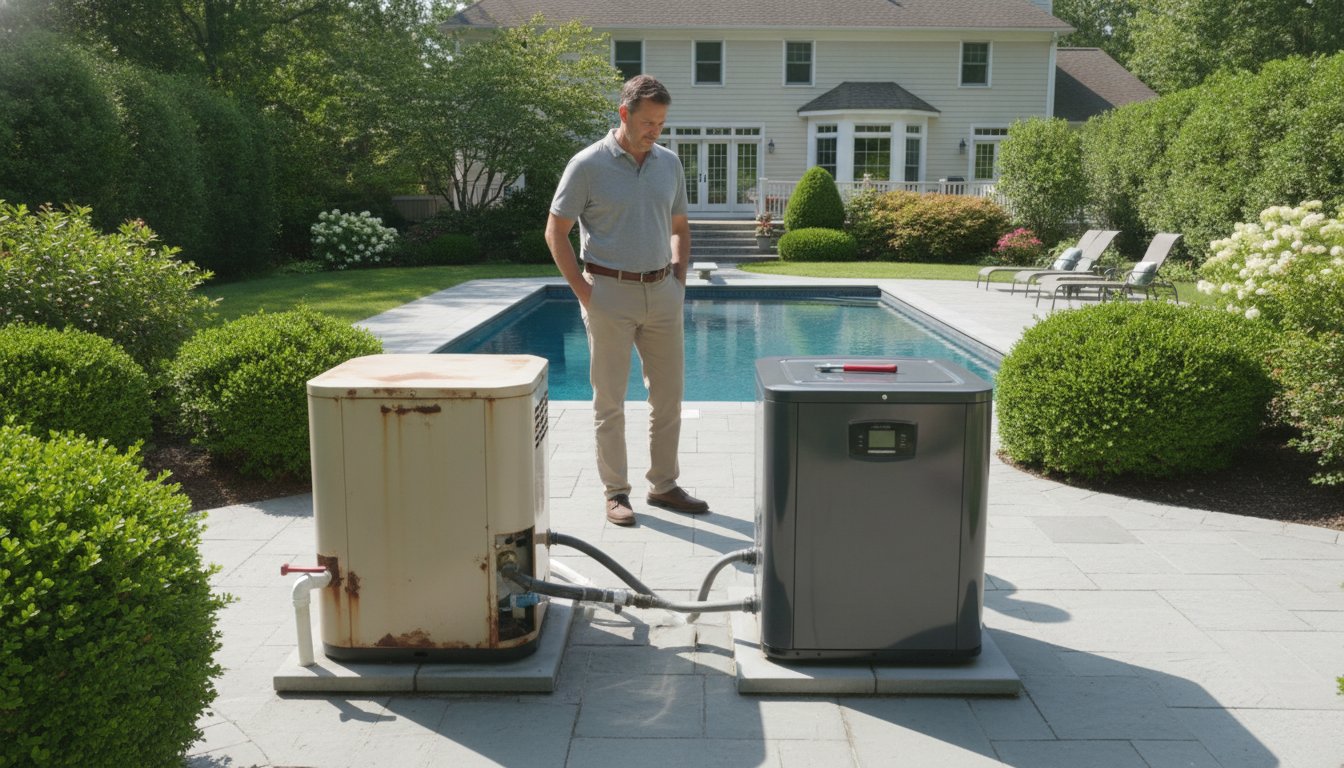
Our team utilizes professional-grade liquid shock and industrial-strength circulation equipment. These tools allow us to achieve chemical saturation levels that are difficult to reach with residential pumps and filters. We don't just clear the water; we stabilize the entire ecosystem of your pool. Homeowners in Bergen County trust us to handle complex chemical imbalances because we prioritize long-term safety and water clarity over quick, temporary fixes.
Full-Service Openings and Closings
A successful swimming season in Northern NJ starts with a professional opening. Our service includes a deep chemical reset that goes far beyond simply removing the cover. We analyze your water's baseline and apply a precise dose of pool shock to eliminate winter contaminants. If your equipment is hindering circulation, we handle the repairs on-site. This comprehensive approach provides the peace of mind that comes with a miracle restoration by a local pro. We ensure your pump, filter, and heater are primed for efficiency from day one.
- Complete chemical analysis and baseline balancing.
- Inspection of PVC piping and filtration systems.
- Professional-grade debris removal and surface cleaning.
- Equipment troubleshooting to prevent mid-season breakdowns.
Liner Protection and Renovation
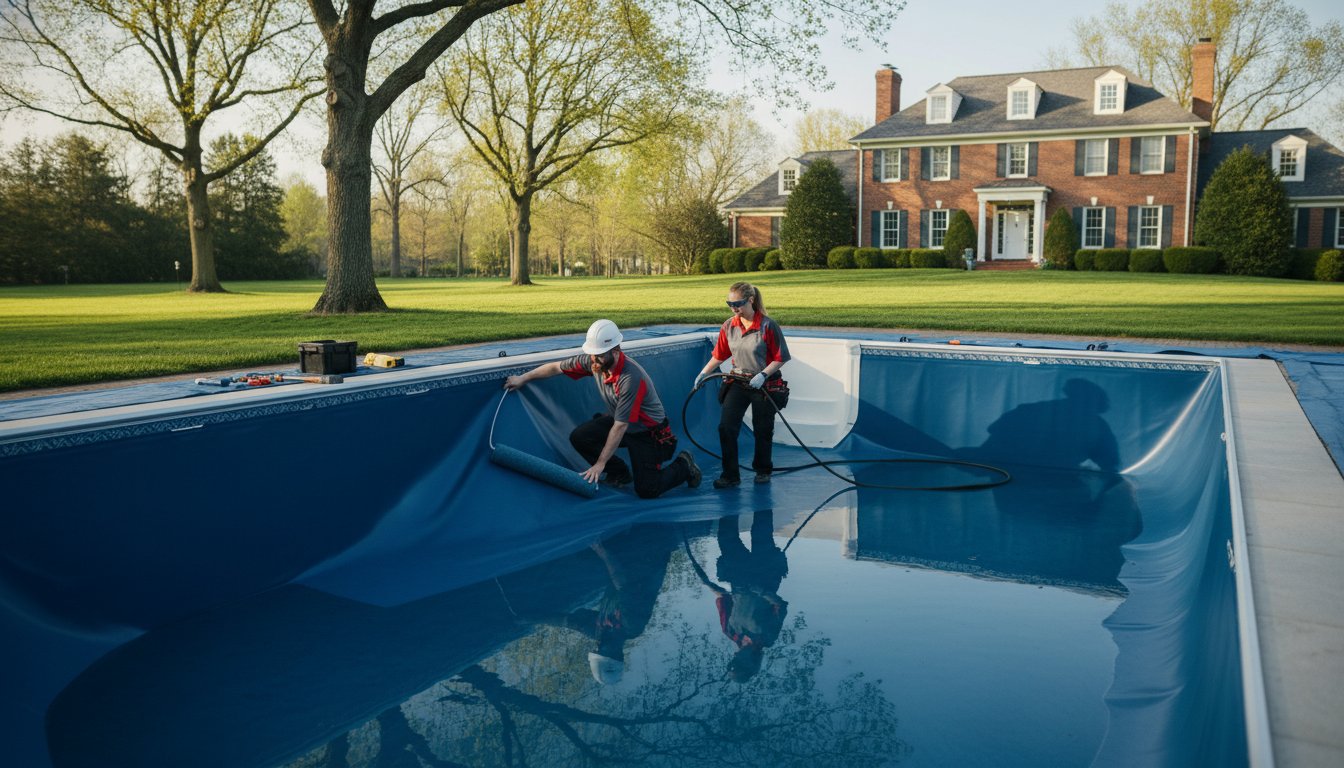
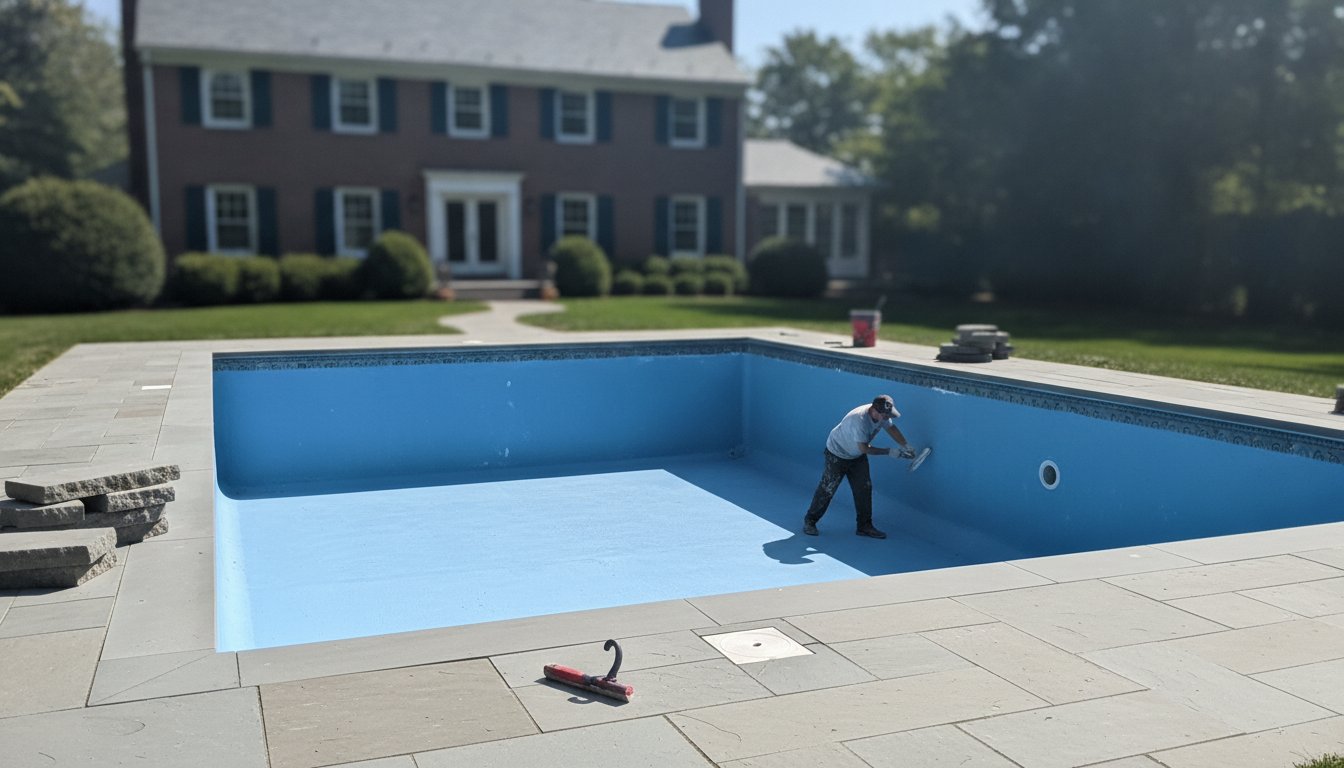
Chemical maintenance is vital, but it has its limits. If your liner is already bleached from years of improper chemical use or has visible tears, shocking the water won't solve the problem. Excessive chemical concentrations can make old liners brittle and prone to failure. For homeowners in Demarest and Norwood, we provide expert assessments to determine if your pool needs a structural update rather than a chemical one.
When the time comes for a total refresh, we guide you through every step of the process. You can find detailed information on modern materials and trends in our Expert Pool Liner Replacement: The 2026 Homeowner’s Buying Guide. We specialize in restoring the beauty of your backyard, turning aged or damaged pools into miracles in the making. Whether you need a simple chemical intervention or a full liner renovation, Right Pool Care is the trusted partner for your Bergen County home.
Enjoy a Crystal Clear Season in Northern NJ
Maintaining a healthy pool in Bergen County requires more than just a quick chemical toss. You must choose the right pool shock based on your specific water chemistry while staying ahead of local environmental stressors. Whether you are battling the high pollen counts of a Closter spring or the mid-summer heat in Alpine, consistent maintenance prevents algae blooms. It's about protecting your investment and ensuring your family stays safe all summer long.
Right Pool Care has spent over 20 years mastering the unique challenges of Northern New Jersey backyard environments. As Vinyl Liner Replacement Specialists, we understand the technical mechanics of your pool from the PVC piping to the water balance. We've earned the trust of homeowners in Tenafly and beyond by delivering reliable, expert results every time. Let us handle the heavy lifting so you can get back to enjoying your backyard oasis.
Get your pool swim-ready with Right Pool Care’s expert opening services!
We're ready to start your next miracle in the making.
Frequently Asked Questions
Can I shock my pool and swim the same day?
You generally can't swim the same day you use a chlorine-based pool shock. You must wait until chlorine levels drop below 5 parts per million, which typically takes 8 to 24 hours. If you use a non-chlorine oxidizer, you can usually jump back in within 15 minutes. Always use a digital tester to confirm your water is safe before anyone enters the pool.
Will pool shock damage my vinyl liner?
Yes, concentrated pool shock can bleach or weaken a vinyl liner if it isn't handled correctly. Granular chlorine that settles on the floor causes 100 percent of localized bleaching in those areas. You should always dissolve the shock in a 5 gallon bucket of water before pouring it into the pool. This professional step prevents the need for a premature liner replacement.
How often should I shock my pool in Northern New Jersey?
You should shock your pool once every 7 days during the peak NJ swimming season from Memorial Day to Labor Day. Heavy rain events that drop 2 or more inches of water also require an immediate treatment to stay ahead of contaminants. This consistent schedule prevents algae growth during our humid July months when temperatures often exceed 90 degrees.
Why is my pool still cloudy after I shocked it?
Your pool remains cloudy because the dead organic matter is too small for your filter to catch immediately. This often happens if your pH levels are outside the 7.2 to 7.6 range or if your filter needs a backwash. Run your pump for 24 consecutive hours to clear the haze. If it's still cloudy after 48 hours, you might need a clarifier.
Do I need to shock my saltwater pool?
Yes, saltwater pools require a manual shock treatment to handle heavy bather loads or extreme heat. While your salt cell produces chlorine, it can't always keep up when you host a 10 person pool party. Adding a manual boost helps oxidize contaminants that the salt cell misses. This practice keeps your water sparkling and reduces the workload on your expensive equipment.
What happens if I put too much shock in my pool?
Excessive shock raises chlorine levels to a point where it can corrode metal ladders and damage your PVC piping. It also keeps the pool closed for 2 or 3 days until levels return to the safe 1 to 4 parts per million range. If you accidentally double the dose, you can use a chlorine neutralizer like sodium thiosulfate to bring the levels down.
Should I leave the pool cover off after shocking?
Leave your pool cover off for at least 8 to 12 hours after a treatment. This allows the oxidation gases to escape into the atmosphere instead of being trapped. As Safety Cover Experts, we've seen covers lose 50 percent of their lifespan from trapped chemical fumes. Keeping the pool open ensures your cover stays strong and your water stays balanced.
Is liquid shock better than granular shock for NJ pools?
Liquid shock works faster for immediate sanitation, but granular shock is more effective for deep cleaning and algae removal. Liquid sodium hypochlorite is easy to pour but loses its potency after 4 to 6 weeks of storage. Granular shock, like calcium hypochlorite, contains 65 percent available chlorine and stays stable for years. We recommend granular for heavy duty cleaning tasks.