What if the most expensive part of your Alpine estate isn't the custom masonry, but the silent mechanical failure lurking inside your filter pump? You've built a private sanctuary for relaxation, yet the fear of a sudden mid-summer breakdown or a skyrocketing utility bill from an inefficient heater can quickly erode that peace. We understand that you want clear answers, not confusing technical jargon from generic contractors who don't understand the unique demands of Northern New Jersey's climate.
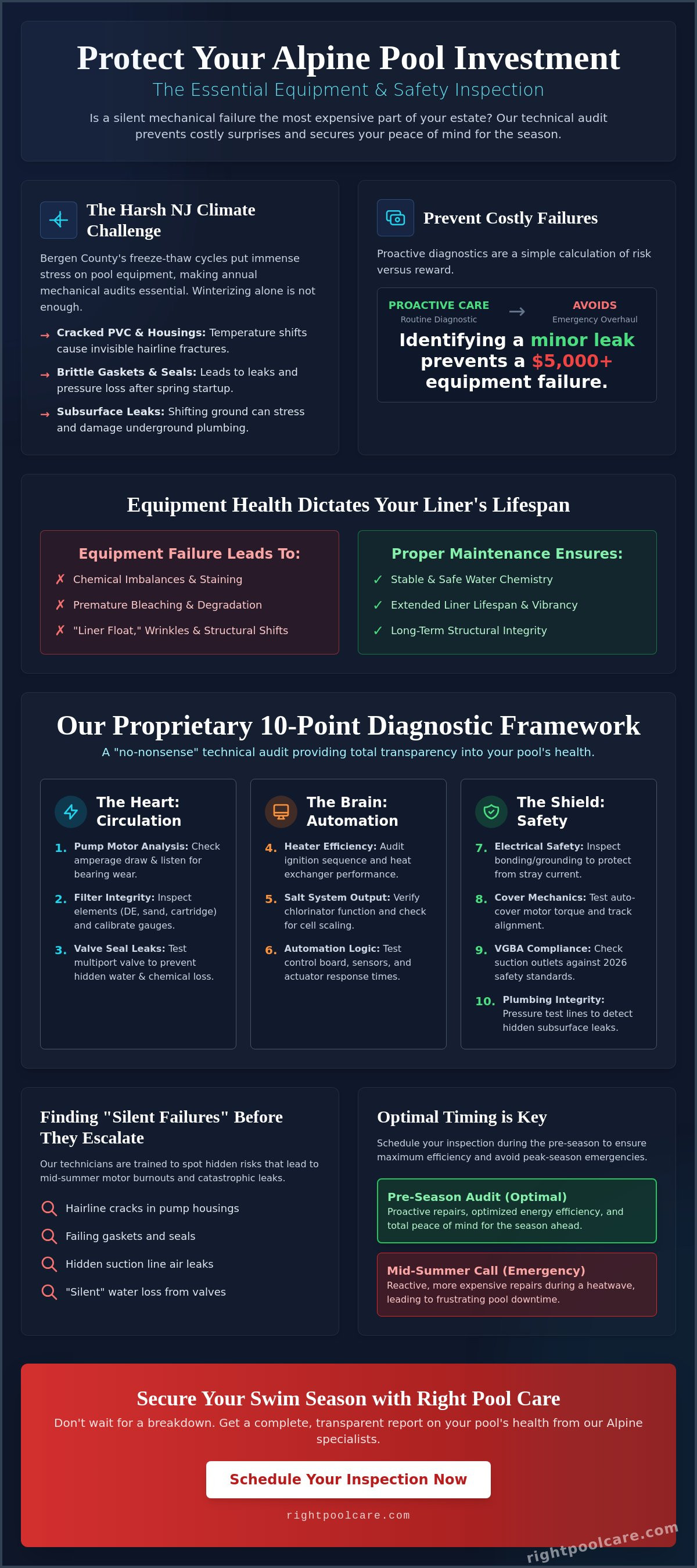
Our professional pool equipment inspection service Alpine specialists provide a rigorous technical audit designed to protect your most valuable backyard asset. We ensure your system meets the latest 2026 safety standards, including VGBA compliance and NJ-specific barrier requirements, while identifying ways to extend the lifespan of your vinyl liners and heaters. This guide previews our comprehensive diagnostic process, showing you how to optimize energy efficiency and secure total peace of mind for the season ahead.
Key Takeaways
- Learn why Bergen County’s harsh freeze-thaw cycles make annual mechanical audits essential for protecting your pool’s PVC plumbing and seals.
- Discover our proprietary 10-point diagnostic framework that offers total transparency and a clear status report on your filtration and heating systems.
- Identify "silent failures" like hairline cracks or suction line leaks before they lead to expensive mid-summer motor burnouts.
- Find out why timing your pool equipment inspection service Alpine session during the pre-season audit is the most effective way to optimize energy efficiency.
- Understand how proactive mechanical care extends the functional lifespan of high-value components like vinyl liners and heaters.
Why Alpine Homeowners Prioritize Annual Equipment Inspections
In Alpine, a swimming pool is more than a recreational asset; it's a significant component of your estate's value. A professional pool equipment inspection service Alpine homeowners rely on is a comprehensive mechanical and safety audit, not just a cursory glance. We examine every valve, seal, and electrical connection to ensure your system operates at peak efficiency. For a comprehensive overview of swimming pools, one must understand that the mechanical heart of the system is what maintains water clarity and safety.
Homeowners here understand the "Alpine Standard" of maintenance. Meticulous care prevents the sudden, catastrophic failures that disrupt your summer. Investing in a routine diagnostic can prevent a $5,000 equipment overhaul by identifying a minor leak or failing gasket early. It's a simple calculation of risk versus reward. Our pool equipment inspection service Alpine team identifies these vulnerabilities before they escalate into structural crises.
The Impact of New Jersey Climate on Pool Mechanics
Bergen County’s climate is notoriously harsh on outdoor machinery. The relentless freeze-thaw cycles of a Jersey winter put immense pressure on PVC plumbing and mechanical seals. While many residents believe that winterizing alone is sufficient, it isn't enough to guarantee spring readiness. Extreme temperature shifts cause heater gaskets to brittle and pump housings to develop hairline fractures. Local soil conditions also play a role; shifting ground can stress underground plumbing lines, leading to subsurface leaks that are difficult to detect without professional tools.
Protecting Your Vinyl Liner Investment
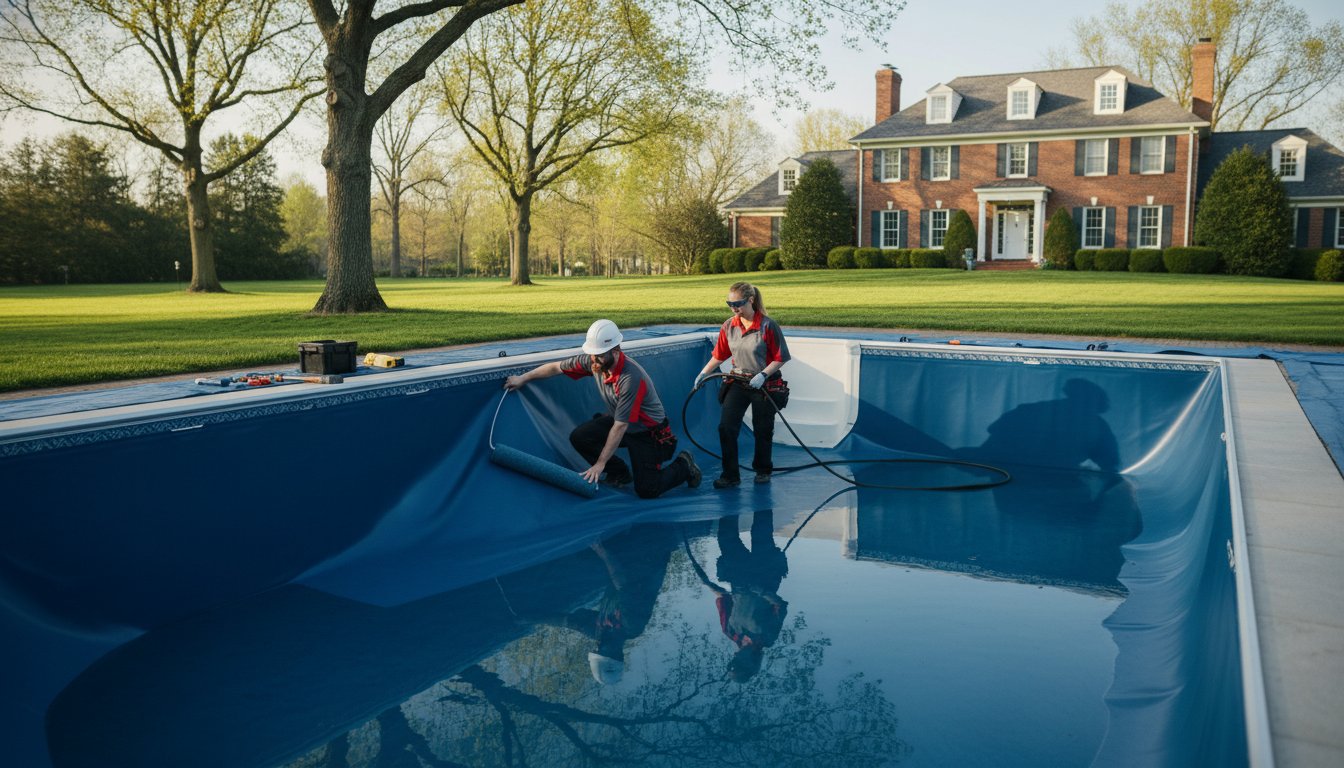
Your equipment’s health directly dictates the lifespan of your pool's interior. As a Right Pool Care specialty, we've seen how poor filtration leads to chemical imbalances that prematurely bleach and degrade vinyl. When a pump fails during heavy Alpine rains, the lack of circulation can lead to "liner float." This occurs when water accumulates behind the vinyl, causing unsightly wrinkles or structural shifts. By maintaining your mechanical systems, you're effectively insurance-proofing your liner against these avoidable environmental stressors.
The Right Pool Care 10-Point Equipment Diagnostic Framework
Alpine residents demand precision. A cursory glance at your equipment pad isn't an inspection; it's a guess. Our pool equipment inspection service Alpine specialists use a proprietary "no-nonsense" approach that moves beyond visual checks to perform functional load tests on every critical component. We provide homeowners with a transparent status report that highlights immediate risks and long-term maintenance needs. This technical audit is the foundation of a safe, efficient swim season. Our methodology is built on the belief that a well-maintained pool should be a source of relaxation, not a project management burden. By focusing on mechanical transparency, we empower property owners to make informed decisions about their investments rather than reacting to emergency repairs in the heat of July.
Circulation and Filtration Systems
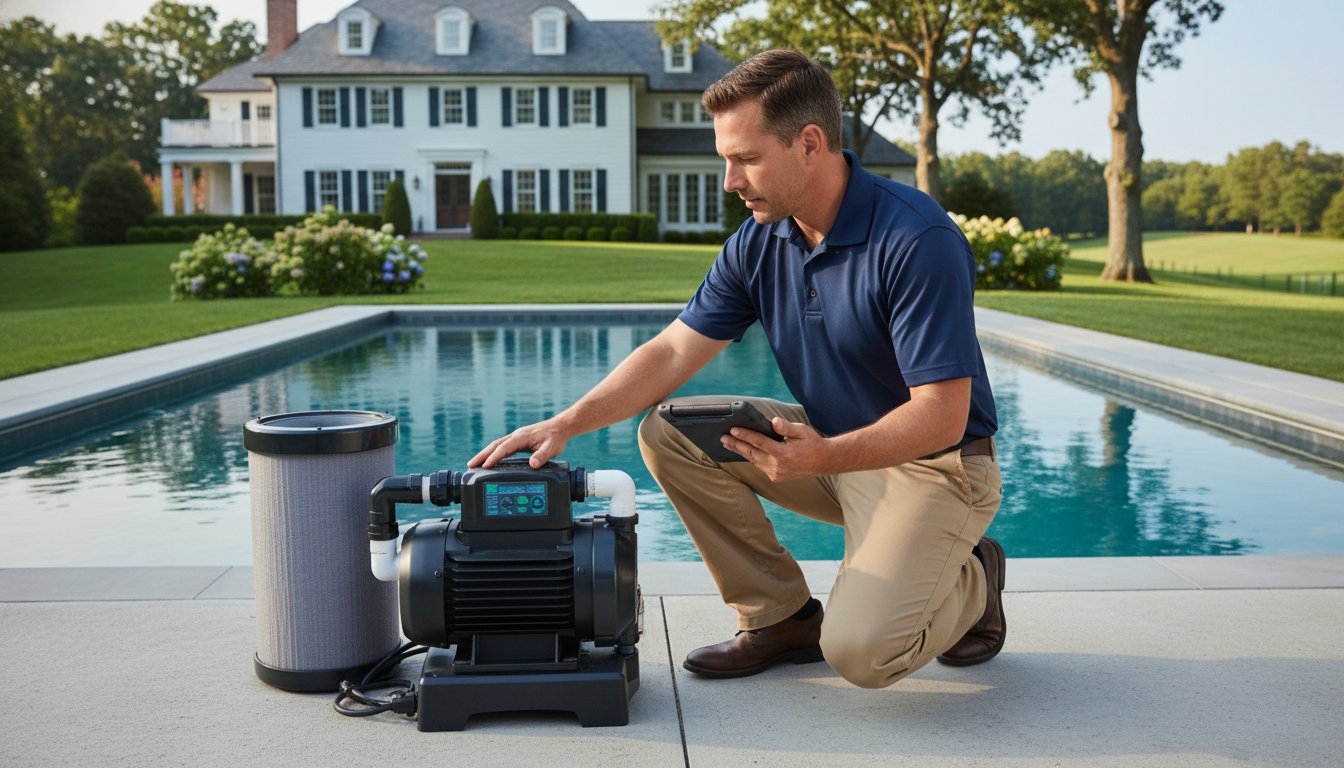
The first three points of our framework focus on the heart of your pool. We analyze the pump motor’s amperage draw and listen for specific bearing frequencies that signal internal wear. High amperage often points to electrical inefficiency or mechanical resistance. We also calibrate pressure gauges and verify the integrity of internal filter elements, whether you use DE, sand, or cartridges. Finally, we inspect multiport valve seals to prevent "silent" water loss that drives up utility bills and chemical costs.
Heating and Automation Components
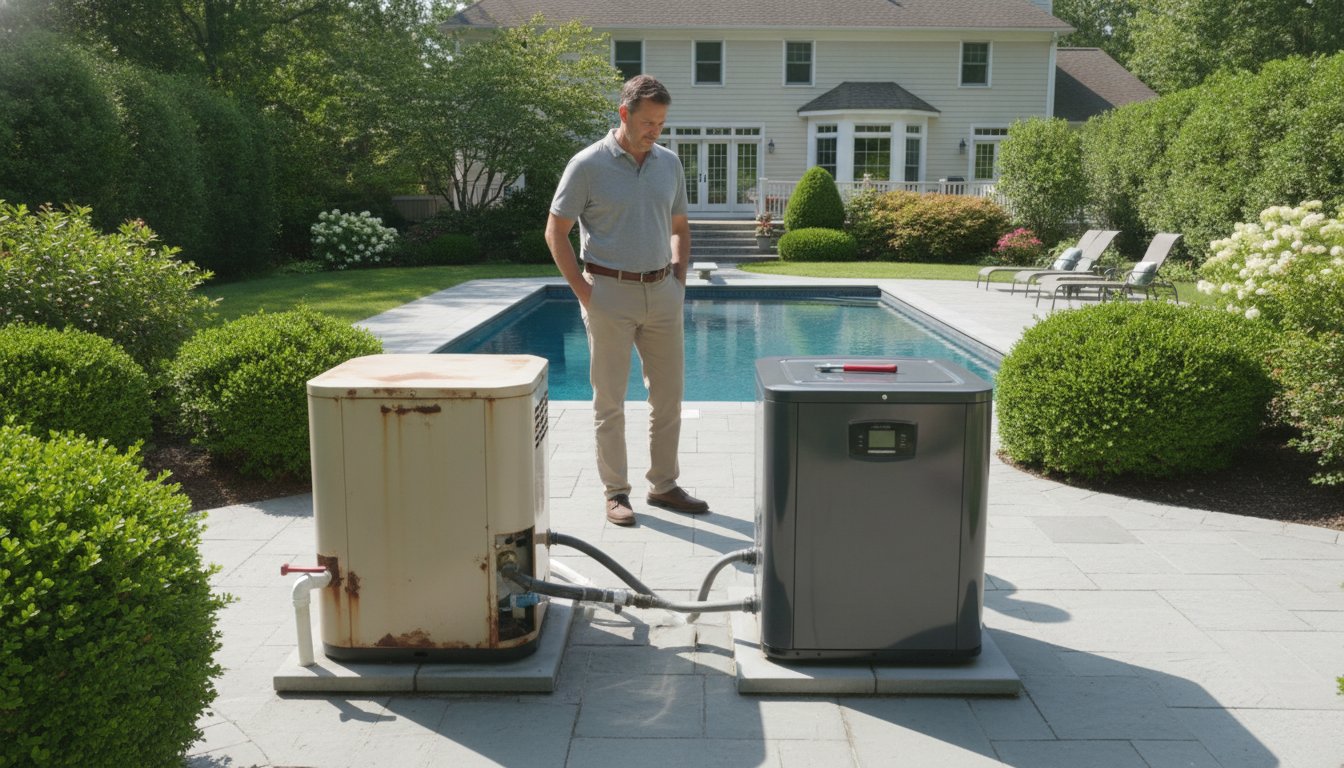
Heaters are often the most expensive items on the equipment pad. Our diagnostic covers the ignition sequence and heat exchanger efficiency to ensure you aren't wasting gas. For saltwater pools, we verify salt cell scaling and chlorinator output. Automation is the brain of your backyard oasis. We test control board logic and sensor accuracy to ensure water features and heaters respond perfectly. If you've noticed sluggish response times, our team offers the technical expertise needed to restore full control.
Safety and Structural Integration
Safety is our core pillar. We inspect electrical bonding and grounding wires to protect swimmers from stray currents. Our pool equipment inspection service Alpine protocol ensures your backyard remains a secure environment for your family. Automatic pool covers are tested for motor torque and track alignment to prevent mechanical binding. We strictly follow VGBA standards, checking suction outlet covers for compliance. Resources like Pool Safely emphasize the importance of these physical barriers and drain safety. Finally, we check the bond between tile and coping to prevent water intrusion into the pool’s structure.
Beyond the Surface: Identifying Hidden Mechanical Risks
Visible water leaks are easy to spot, but the most destructive issues often occur within the shadows of your equipment pad. Silent failures, such as hairline cracks in pump baskets or weeping shaft seals, often go unnoticed until a total system collapse occurs. These small defects allow moisture to infiltrate the motor bearings, leading to a seized pump during the hottest week of the summer. Our pool equipment inspection service Alpine specialists focus on these granular details to prevent the cascade of failures that follow a neglected minor repair. We don't believe in the "quick fix" culture of generic contractors. Our commitment is to the long-term structural and mechanical integrity of your pool, ensuring every component operates as a cohesive, reliable unit.
Older Alpine estates frequently house legacy electrical components that no longer meet modern safety or efficiency standards. Outdated sub-panels and corroded conduits represent a significant liability, both for operational reliability and family safety. We evaluate these systems with a critical eye, looking for signs of heat stress or improper grounding that could lead to intermittent power issues. By identifying these hidden risks during a scheduled audit, we help you avoid the stress of emergency troubleshooting and the high costs of reactive part replacement.
The Danger of Suction Side Air Leaks
Air entrainment occurs when the pump pulls air into the system, leading to violent cavitation and motor overheating. You might miss the subtle visual signs, such as tiny, persistent bubbles streaming from your return jets or a slightly lower water level in the pump basket. These symptoms indicate a breach in the suction line that forces the motor to work significantly harder while receiving less cooling from the water flow. We utilize specialized pressure testing equipment to isolate and locate these underground plumbing leaks, ensuring your system remains airtight and efficient.
Heater Efficiency and Carbon Monoxide Safety
Heaters require precise airflow and clean combustion to operate safely. Soot buildup within the heat exchanger or improper venting can lead to the dangerous accumulation of carbon monoxide and a drastic drop in efficiency. An optimized heater significantly reduces monthly gas or electric bills for Alpine property owners, paying for the inspection through energy savings alone. Our technical team checks gas pressure settings and ensures orifice cleanliness, removing the debris that often accumulates during the off-season. This level of detail ensures your heater provides consistent warmth without compromising the air quality of your outdoor living space.
Timing Your Inspection for Peak Performance and Safety
Timing is the difference between a seamless summer and a season plagued by technical delays. We recommend scheduling a Pre-Season Audit as a foundational step in our professional pool opening process. This proactive approach identifies mechanical issues while the pool is still covered, allowing for repairs before the swimming season officially begins. For estates with heavy bather loads or complex water features, a mid-season check is equally vital. High usage puts additional stress on filtration systems and chemical feeders, making a secondary diagnostic essential for maintaining water clarity during the humid Jersey August.
The "Real Estate Inspection" is another critical timing window. Whether you're buying or selling in Alpine, a professional pool equipment inspection service Alpine report provides the technical leverage needed for a fair transaction. Sellers use these audits to prove the value of their mechanical systems, while buyers use them to avoid inherited disasters. A seasonal calendar for Bergen County maintenance typically follows this rhythm:
- April/May: The Pre-Opening Audit to verify winter integrity.
- July: Mid-season performance check for high-traffic pools.
- September/October: Post-season diagnostic to prepare for winterization.
- Year-Round: Real Estate and Renovation audits as property needs dictate.
The Pre-Opening Inspection
Inspecting your equipment before the cover comes off saves weeks of potential downtime. We specifically look for winter damage that occurs during the deep freezes of January and February. This includes identifying frozen pipes, cracked pump housings, and wires chewed by rodents seeking shelter. By catching these issues early, we ensure the system is physically ready for the initial chemical balancing. A system with a leaking seal or a failing motor can't circulate chemicals effectively, leading to algae blooms before the season even starts.
The Real Estate and Renovation Audit
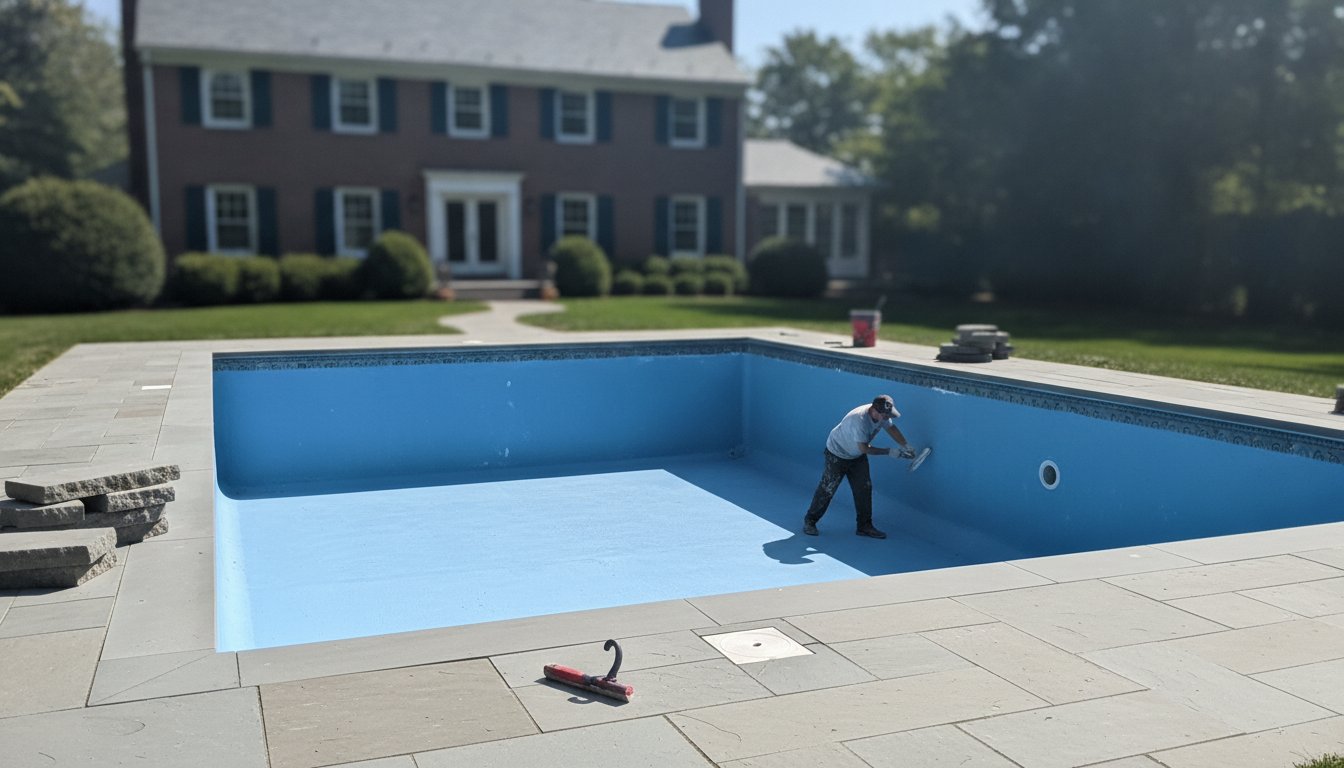
A professional report protects Alpine homeowners from the high costs of "inherited" pool failures. If you're planning a backyard upgrade, it's the perfect time to identify when equipment replacement should be bundled with concrete resurfacing or tile repair. Combining these services minimizes site disruption and ensures your new pool finish is supported by a high-efficiency mechanical system. We provide a clear roadmap for future upgrades, helping you prioritize investments that enhance both safety and property value. Ready to secure your investment? Schedule your Alpine equipment diagnostic today.
Secure Your Swim Season with Right Pool Care in Alpine
Choosing the right technician is the difference between a functional pool and a pristine sanctuary. Right Pool Care brings a no-nonsense, professional approach to every equipment pad in Northern Bergen County. With over 20 years of experience serving the Alpine and Tenafly communities, we've encountered every mechanical challenge imaginable. We specialize in complex structural and mechanical repairs that generic service providers often overlook. Our goal is to transform technical maintenance into a worry-free lifestyle, allowing you to enjoy your estate without the stress of impending failures. When you choose our pool equipment inspection service Alpine team, you're investing in the long-term health and safety of your most valuable outdoor asset. We don't just check boxes; we provide the technical authority required to maintain a high-value property.
Our reputation is built on reliability and deep industry expertise. We understand that Alpine homeowners expect a higher standard of service, where technical proficiency meets dependable communication. By focusing on the intricate mechanics of your pool, we ensure that every pump, heater, and automation system works in perfect harmony. This holistic approach prevents the "patchwork" repair style that often leads to recurring issues. We take pride in our ability to diagnose problems that others miss, providing you with a clear and actionable path to a perfect swim season. Every inspection is a step toward securing your backyard legacy for years to come.
The Local Advantage: Why Proximity Matters
Proximity is paramount when mechanical issues arise. Based in nearby Closter, we offer rapid response times for residents in Alpine, Cresskill, and Closter. Our technicians possess a deep understanding of local Bergen County building codes and zoning requirements, ensuring every repair or upgrade is fully compliant. We've also cultivated established relationships with local equipment distributors over the last two decades. This allows us to source critical parts faster than national chains, minimizing your pool's downtime during the peak of summer. Knowing the specific environmental stressors of the local area allows us to provide more accurate diagnostics and more durable solutions than out-of-area contractors.
Expertise You Can Trust
Our commitment to safety, efficiency, and aesthetic excellence defines our brand. We don't just fix equipment; we optimize your entire aquatic environment for peak performance. Whether you need specialized Hayward and Pentair pump repairs or a full system audit, our technical mastery ensures the job is done right the first time. We believe that a perfectly tuned mechanical system is the silent guardian of your family's summer memories. Experience the security that comes with true professional oversight. Schedule your Alpine pool equipment inspection today and reclaim your peace of mind. Let us handle the technical complexities so you can focus on enjoying the water.
Secure Your Backyard Sanctuary for the 2026 Season
Your pool should be a place of relaxation, not a source of mechanical stress. By identifying hidden risks like suction leaks or heater inefficiencies early, you protect your estate's value and your family's safety. Meticulous mechanical care is the only way to ensure your vinyl liner and equipment pad survive the harsh Bergen County climate. Our pool equipment inspection service Alpine specialists provide the technical clarity you need for a worry-free summer. We turn technical complexity into a seamless backyard experience that lets you focus on what matters most.
With 20+ years of Bergen County expertise, Right Pool Care understands the unique demands of local properties. Our Closter-based technicians are specialists in vinyl liner protection and complex mechanical diagnostics. It's time to move beyond guesswork and invest in a professional audit that guarantees results. Request Your Professional Equipment Audit in Alpine. Don't let a preventable mechanical failure disrupt your peace. Take control of your pool's health today and enjoy a summer of crystalline water and absolute confidence.
Frequently Asked Questions
What is included in a professional pool equipment inspection in Alpine?
A professional audit includes a rigorous evaluation of your entire mechanical pad. We test pump motor amperage, filter integrity, and heater ignition sequences to ensure peak performance. Beyond the machinery, we verify electrical bonding and suction outlet compliance with federal VGBA safety standards. Our technicians also inspect structural elements like tile and coping bonds near the skimmer to ensure total water integrity for the season.
How much does a pool equipment inspection cost in Bergen County?
Residential pool inspection rates in New Jersey typically average around $400 for a detailed evaluation of all mechanical and safety components. Complex pools with extensive automation or multiple water features may see higher costs depending on the time required. While national averages often range from $125 to $250, the specialized safety requirements and climate-specific stressors in the Northeast necessitate a more technical and thorough diagnostic process.
Can I perform a pool equipment inspection myself?
You can perform basic visual checks, but a technical audit requires specialized diagnostic tools and industry training. Homeowners often miss silent failures like hairline cracks in pump housings or micro-leaks in suction lines. Our professional pool equipment inspection service Alpine team uses pressure testing and electrical amp meters to identify risks that aren't visible to the naked eye, preventing expensive and catastrophic mid-summer failures.
How often should I have my pool heater and pump inspected?
Annual inspections are the industry standard for maintaining mechanical reliability in Northern New Jersey. We recommend a comprehensive check every spring before the pool is opened to your family. For older systems or pools with high bather loads, a mid-season follow-up ensures that heavy usage hasn't compromised pump seals or heater efficiency. Regular auditing is the most effective way to extend the functional lifespan of these expensive components.
Will a pool inspection help me save money on energy bills?
Yes, identifying mechanical inefficiencies directly reduces your monthly utility costs. A pump motor drawing excessive amperage or a heater with a soot-clogged heat exchanger wastes significant energy during daily operation. By optimizing these systems and fixing air leaks in the suction line, we ensure your pool operates at peak efficiency. This proactive approach often pays for itself through reduced gas and electric bills over the summer.
Do I need an inspection if my pool was professionally winterized?
Professional winterization protects against common freeze damage, but it doesn't account for environmental shifts or pest intrusion during the off-season. Rodents often chew through wiring in the winter, and extreme temperature fluctuations can still brittle gaskets and seals. A pre-season pool equipment inspection service Alpine session verifies that the system survived the winter intact and is physically ready for the high-pressure demands of a new season.
What are the most common equipment failures found in Alpine pools?
The most frequent failures include leaking pump shaft seals and cracked heater pressure switches caused by Bergen County’s harsh freeze-thaw cycles. We also commonly find outdated suction outlet covers that don't meet current federal safety standards. Suction-side air leaks are another recurring issue, often leading to pump cavitation and motor burnout if not addressed during a routine technical audit of the equipment pad.
How long does a typical professional equipment audit take?
A standard professional equipment audit usually takes between one and two hours to complete depending on the size of the pool. This timeframe allows our technicians to perform functional load tests on all machinery and conduct a thorough safety walk-through of the area. More complex estates with multiple pumps, salt systems, and advanced automation may require additional time to ensure every component meets our rigorous technical standards.