Did you know that running a traditional single-speed pool pump can cost you nearly four times more every month than a modern alternative? For many Bergen County homeowners, the constant drone of a loud motor and the sting of a high power bill are just accepted parts of the summer season. Understanding the benefits of a variable speed pool pump is the first step toward reclaiming your backyard peace and lowering your monthly overhead.
By upgrading your equipment, you can slash energy consumption by up to 80% and enjoy a whisper-quiet environment. This isn't just about comfort; it's about compliance. As of 2026, New Jersey state law mandates these energy-efficient upgrades for most residential pool installations. We'll show you how this "heart" of your pool pays for itself through precision circulation, available $280 rebates from providers like Rockland Electric, and long-term hardware protection that keeps your water pristine all summer long. Discover how a smarter pump ensures your pool remains a beautiful, life-enhancing space without the stress of frequent breakdowns.
Key Takeaways
- Understand why upgrading to a variable speed pump can slash your energy consumption by up to 80%, paying for itself in just a few swimming seasons.
- Learn about the 2026 New Jersey state regulations and federal mandates that make these energy-efficient upgrades a requirement for modern homeowners.
- Discover the primary benefits of a variable speed pool pump, including whisper-quiet operation and superior filtration that keeps your water crystal clear.
- Get expert guidance on matching pump horsepower to your specific plumbing capacity to prevent equipment strain and maximize long-term reliability.
- Explore how high-performance pumps integrate seamlessly with your existing salt cells, heaters, and automation systems for a truly transformative backyard experience.
What is a Variable Speed Pool Pump and How Does it Work?
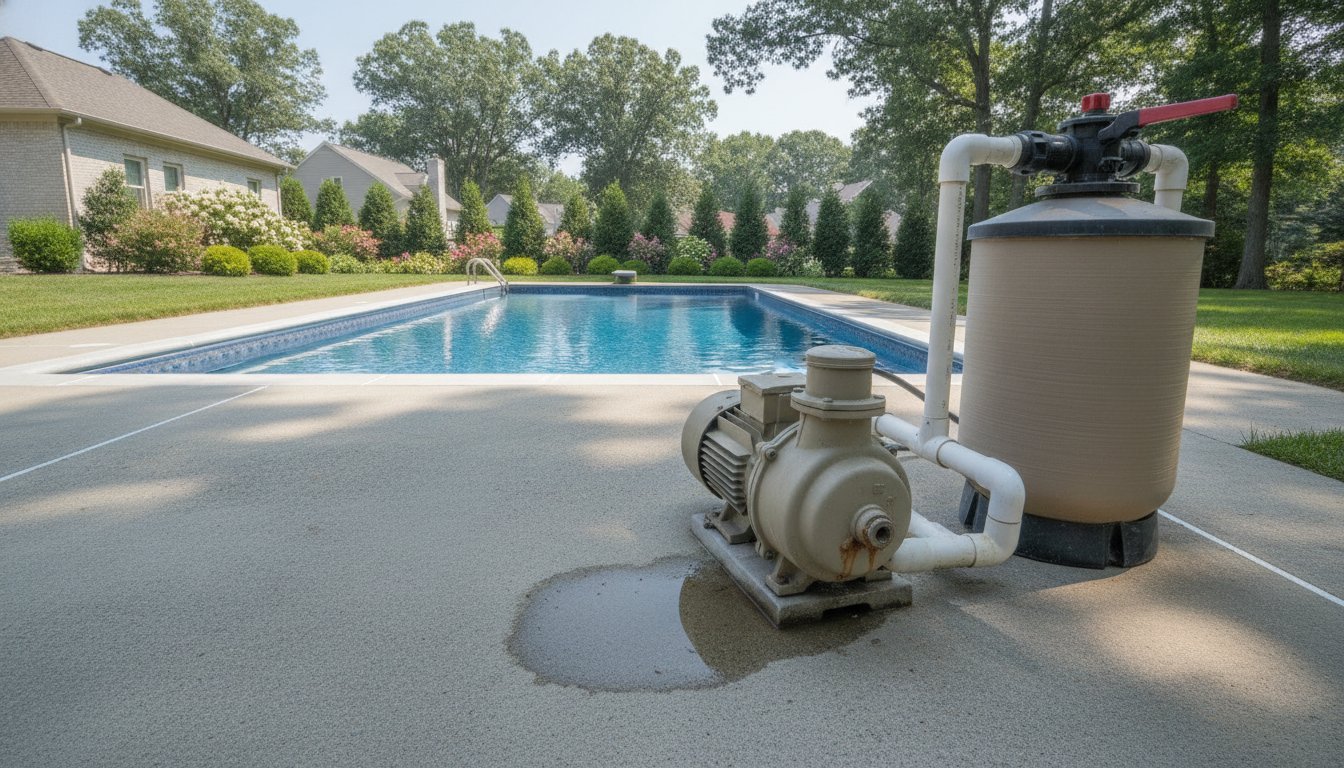
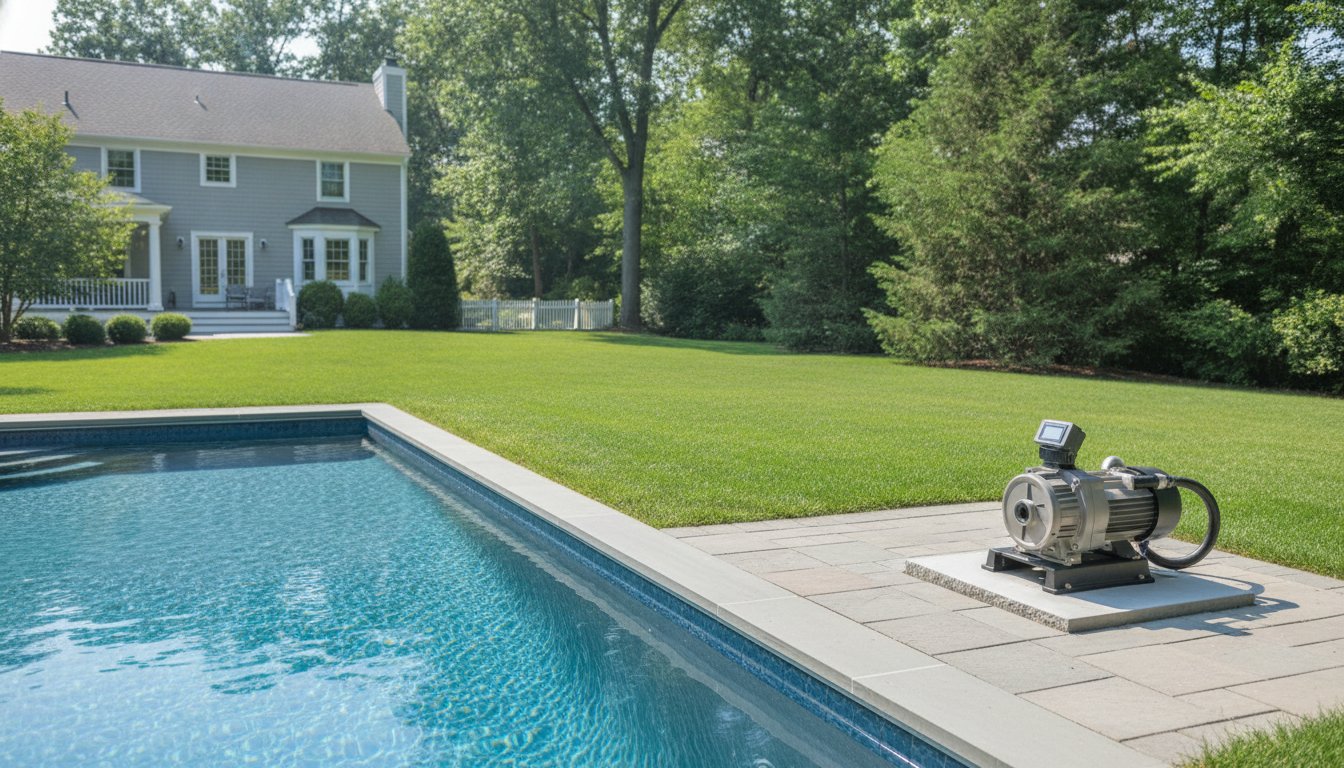
Think of your pool pump as the heart of your entire backyard oasis. Just like a human heart circulates blood to vital organs, your pump moves water through the filter, heater, and salt cell to keep the system healthy. Traditional pumps are simple machines that operate at a single, high speed. They're either 100% on or completely off. A variable speed (VS) pump changes this dynamic by allowing you to control the motor's revolutions per minute (RPM). This precision control is one of the primary benefits of a variable speed pool pump, as it allows the system to run at lower, more efficient speeds for filtration and higher speeds for demanding tasks like backwashing.
The Technology Behind the Efficiency
The secret to the VS pump's performance lies in its Permanent Magnet Motor (PMM). Unlike the standard induction motors found in older equipment, which rely on electricity to create a magnetic field, a PMM uses powerful, permanent magnets. This design generates significantly less friction and heat, leading to a longer lifespan and quieter operation. When you study the fundamentals of how pumps work, you'll find that energy consumption is tied to the Affinity Law of physics. This law states that if you reduce a pump's speed by half, the power consumption drops to one-eighth of its original level. Digital controllers built into these pumps manage these speed shifts automatically, ensuring your pool stays crystal clear while using the bare minimum of electricity.
Variable Speed vs. Single-Speed Pumps
Understanding the difference between pump types helps you see why the industry has moved toward variable speed technology. Single-speed pumps use an "all or nothing" approach. They run at maximum power even when you're just doing basic filtration, which wastes a massive amount of energy. Two-speed pumps offer a slight improvement by providing a high and low setting, but they still lack the fine-tuned control needed for modern pool features. Variable speed pumps are the gold standard for NJ homeowners. They provide a custom flow rate for every specific need of your pool. Whether you're running a waterfall, heating the water, or simply maintaining daily circulation, the pump adjusts to the most efficient RPM possible. This precision protects your plumbing from unnecessary pressure and ensures your equipment lasts for years to face the Bergen County winters. In the same way that Caribbean Heating & Cooling provides specialized HVAC maintenance to protect your home's climate systems from seasonal extremes, investing in the right pool pump ensures your entire outdoor equipment pad remains equally resilient.
Top 4 Benefits of Upgrading Your Pool Pump in 2026
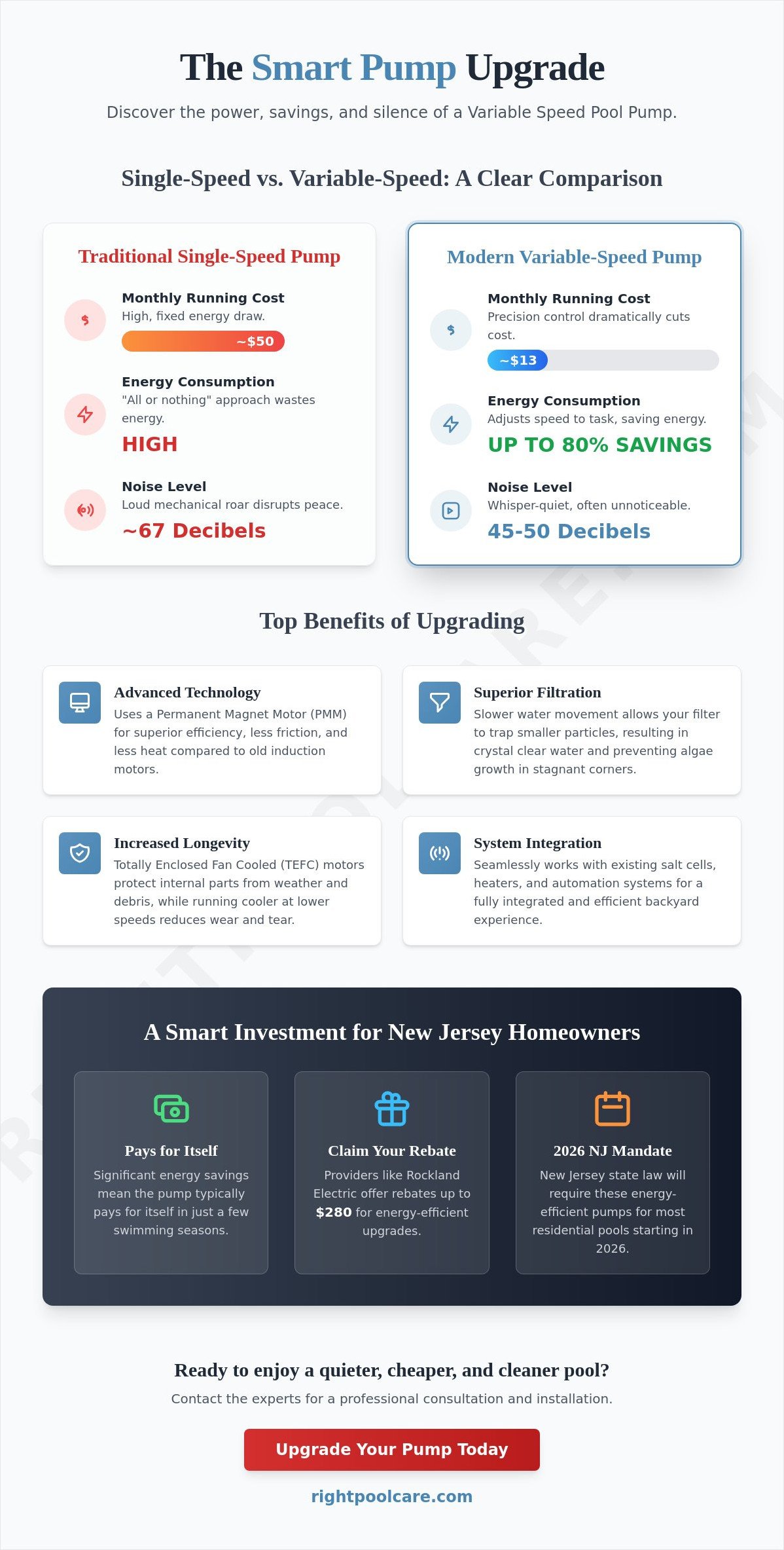
Upgrading your equipment isn't just a technical necessity. It's a financial strategy. One of the most immediate benefits of a variable speed pool pump is the drastic drop in your monthly overhead. While a traditional single-speed pump often costs roughly $50 per month to run during the NJ swimming season, a variable speed model averages just $13. This massive reduction in energy consumption is possible because the pump doesn't have to run at full throttle to keep your water moving. By utilizing ENERGY STAR certified pool pumps, homeowners can achieve energy savings of up to 90% compared to outdated models.
Better Filtration and Water Clarity
Precision circulation does more than save money; it creates a cleaner swimming environment. When water moves slowly through your filter, the media can trap smaller particles that would otherwise "bypass" the system under high pressure. Slower, consistent water movement ensures that every gallon is treated effectively. This constant motion eliminates stagnant corners where algae blooms typically begin. By maintaining a steady flow, you protect your investment in vinyl liners and tile work from the chemical imbalances that occur when water sits still for too long.
Whisper-Quiet Performance
Variable speed technology solves this through advanced motor design. Variable speed pumps typically operate at sound levels between 45 and 50 decibels, representing a dramatic 75% reduction in perceived noise compared to the 67-decibel roar of a standard single-speed motor. At lower speeds, the pump is so quiet you might even forget it's running—a standard of performance also found in high-efficiency residential HVAC systems at niceandcoolhvac.com.
Longevity and Motor Protection
Durability is built into the core of these modern systems. Most variable speed models feature a Totally Enclosed Fan Cooled (TEFC) motor design. This enclosure protects sensitive internal components from the elements, preventing the corrosion and debris buildup that leads to early failure. Because the motor runs cooler and at lower RPMs, there is significantly less heat stress on the seals and bearings. This reliability reduces the frequency of urgent pool repairs and extends the lifespan of your entire equipment pad. If your current system is showing signs of age, our team can provide a professional equipment assessment to ensure your next upgrade is a perfect match for your pool's specific hydraulics.
The Financial Impact: ROI and DOE Regulations
Investing in modern equipment is a strategic move for any Bergen County property owner. While the upfront cost of a new unit typically ranges from $900 to $2,500 including installation, the long-term benefits of a variable speed pool pump far outweigh the initial expense. These systems aren't just an optional luxury; they are a direct response to rising utility costs and tightening environmental regulations. By precision-tuning your pool's flow rate, you transform a high-cost utility burden into a manageable, efficient asset.
NJ Energy Costs and Your Pool
Northern New Jersey residents face some of the highest electricity rates in the country. A standard single-speed pump often costs roughly $50 per month to operate during the swimming season. In contrast, a variable speed model averages just $13 per month. This translates to an annual savings of hundreds of dollars, allowing most homeowners to recoup their investment in under three years. For those with high-usage pools or integrated water features, the payback period can be even shorter. Additionally, local utility providers like Rockland Electric Company offer a $280 rebate for ENERGY STAR certified pool pumps, further reducing the barrier to entry for this upgrade.
The Legal Reality of Single-Speed Pumps
The transition to energy-efficient technology is no longer a suggestion. As of September 29, 2025, federal Department of Energy (DOE) regulations expanded to require high-efficiency motors for pumps with a total horsepower of 1.15 or greater. These standards mirror the rigorous efficiency requirements found in other home systems; for example, Ray Brown Air and Heat explains how HVAC energy ratings are used to measure and mandate performance. New Jersey state law, as of June 2026, also mandates the use of variable speed technology for most new and replacement in-ground pool installations. These regulations mean that many traditional single-speed pumps can no longer be legally manufactured or sold for standard residential use. Upgrading now ensures your property remains compliant with modern standards while avoiding the stress of searching for obsolete parts when a breakdown occurs.
Beyond direct utility savings, a modern equipment pad increases the market appeal of your home. Discerning buyers in Alpine, Tenafly, or Cresskill look for properties with smart features and low maintenance costs. A high-performance pump signals that the pool has been professionally maintained and is ready for years of worry-free use. This upgrade protects your property value and ensures your backyard remains a premium feature of your home for the next 10 to 15 years.
Selecting and Installing the Right Pump for Your NJ Pool
Selecting the right hardware for your backyard requires more than just picking a brand name from a catalog. It demands a technical understanding of your pool's specific hydraulic needs. While the efficiency benefits of a variable speed pool pump are clear, those advantages only manifest if the unit is perfectly matched to your plumbing capacity. An improperly sized pump can lead to excessive noise, pipe vibration, and premature motor failure.
Sizing Your Pump Correctly
We start by calculating your system's Total Dynamic Head (TDH). This measurement accounts for the friction and resistance created by your pipes, valves, and filter. If you install a pump with too much horsepower for your plumbing, you risk "over-pumping," which can cause cavitation and damage your filtration media. We help you choose between the industry's leading manufacturers:
- Pentair: Known for high-performance motors and robust automation compatibility.
- Hayward: Offers user-friendly interfaces and excellent energy efficiency ratings.
- Jandy: Specializes in seamless integration with advanced backyard controllers and smart systems.
This precision ensures your water moves effectively without putting unnecessary strain on the system. By matching the pump's performance curve to your pool's volume, we guarantee crystal clear water and maximum hardware longevity.
Automation and Smart Controls
Modern variable speed pumps serve as the intelligent hub of your equipment pad. They communicate directly with other vital components like salt chlorine generators and gas heaters. These devices require specific flow rates to operate safely and effectively. By utilizing digital automation, you can program custom speeds for different tasks:
- Higher RPMs for pressure-side cleaners or dramatic waterfall features.
- Medium speeds for optimal heater performance and heat distribution.
- Whisper-quiet low speeds for efficient, 24/7 filtration.
Smartphone integration allows you to adjust these settings from anywhere, giving you total control over your backyard environment. This automation simplifies your weekly maintenance and ensures your system is always running at peak performance.
Professional installation is mandatory if you want to protect your manufacturer's warranty. Most major brands won't honor claims if the unit wasn't installed by a qualified professional. Our technicians handle the high-voltage wiring and precision plumbing needed to integrate the pump into your existing setup. This technical oversight is a core part of our seasonal pool openings in Closter and Alpine. We verify that every seal is tight and every setting is optimized before the season begins. To ensure your system is installed to the highest industry standards, schedule your equipment replacement with our dependable team today.
Expert Equipment Replacement with Right Pool Care
Choosing the right partner for your equipment pad is just as important as the hardware itself. At Right Pool Care, we take a no-nonsense approach to diagnostics. We don't believe in band-aid fixes for obsolete technology. Instead, we focus on providing long-term solutions that enhance your property's value and safety. Whether you live in Alpine, Tenafly, or Cresskill, our technicians bring specialized local expertise to every installation, ensuring your new system is perfectly calibrated for the Bergen County climate.
If you're already planning a swimming pool renovation, integrating a variable speed pump is the most logical step. Modernizing your equipment during a larger project allows for seamless plumbing integration and ensures your newly renovated pool stays crystal clear from day one. Our team ensures you maximize the benefits of a variable speed pool pump by calibrating the flow rates to match your specific pool volume and any added water features.
The Right Pool Care Difference
With over 20 years of technical expertise in Northern New Jersey, we've encountered every possible industry challenge. We prioritize energy-efficient solutions because we know the strain that high utility costs put on local homeowners. Our commitment to quality means we only install hardware that meets our rigorous standards for safety and reliability. We provide comprehensive support that goes beyond a simple installation. From the initial equipment assessment to your seasonal closing, we're here to ensure your backyard remains a beautiful, life-enhancing space for your family.
Ready to Upgrade Your Pool?
Don't wait for a mid-season motor failure to address your outdated equipment. Securing your 2026 pool season schedule now ensures you're ready for the first warm day of spring. We often combine equipment upgrades with other vital services, such as a vinyl liner replacement, to provide a complete transformation of your swimming environment. This holistic approach saves you time and ensures all components of your pool work in perfect harmony.
Contact us today to receive a custom quote for your pump replacement. We'll walk you through the technical specifications, explain the potential utility rebates, and help you choose the system that fits your needs. Trust the established leader in Bergen County pool services to deliver the dependable, high-quality results your property deserves. Let's make this season your most efficient and relaxing one yet.
Secure Your Pool's Future with High-Efficiency Technology
Modernizing your backyard equipment transforms your swimming experience from a costly utility burden into a seamless, high-performance retreat. By slashing monthly energy bills and ensuring whisper-quiet operation, you create a more peaceful environment for your family. Maximizing the benefits of a variable speed pool pump is the most effective way to stay ahead of mandatory DOE regulations while enjoying superior water clarity all season long.
With over 20 years of Bergen County expertise, Right Pool Care serves as your local specialist in Alpine, Closter, and Tenafly. We are experts in DOE-compliant equipment installation, ensuring your new pump is perfectly calibrated for safety and long-term results. Don't let an outdated, noisy motor disrupt your backyard peace or drain your budget. Upgrade your pool equipment with Right Pool Care—Request a Quote Today! We look forward to helping you create a crystal-clear, energy-efficient oasis that your family will enjoy for years to come.
Frequently Asked Questions
How much money can I save with a variable speed pool pump?
You can reduce your monthly energy costs by approximately 75% to 90% by switching from an outdated single-speed model. While a traditional pump often costs roughly $50 per month to run during the NJ season, a variable speed unit averages just $13. These consistent savings allow most Bergen County homeowners to recoup their initial investment in under three years. It is one of the most immediate financial benefits of a variable speed pool pump for local residents.
Is it true that single-speed pumps are being phased out by law?
Yes, federal and New Jersey state laws now effectively mandate variable speed technology for the majority of residential in-ground pools. As of June 2026, New Jersey regulations align with Department of Energy standards that require high-efficiency motors for replacement pumps. This means manufacturers can no longer legally produce most traditional single-speed pumps for standard residential use. Upgrading ensures your property stays compliant with modern energy regulations while avoiding future hardware scarcity.
Can I install a variable speed pump myself to save money?
We strongly advise against DIY installation because it can void your manufacturer's warranty and compromise system safety. Professional installation is required to ensure high-voltage wiring and plumbing connections meet strict New Jersey building codes. In many local municipalities, a permit is also necessary for this type of electrical work. Our team handles these technical details to ensure you have a secure, dependable backyard environment that operates at peak efficiency.
Do variable speed pumps work with all types of pool filters?
Variable speed pumps are fully compatible with sand, cartridge, and Diatomaceous Earth (DE) filtration systems. The key to success is programming the pump's flow rate to match your filter's specific design capacity. Running the pump at a lower speed actually improves the performance of your filter by allowing the media to trap smaller particles more effectively. This precision prevents hydraulic stress on your filter tank and internal components, extending the life of your equipment.
How long does a variable speed pool pump typically last?
A high-quality variable speed pump typically lasts between 10 and 15 years with proper professional maintenance. Because the motor runs cooler and at lower RPMs than a single-speed model, it experiences significantly less mechanical wear and tear. The Totally Enclosed Fan Cooled (TEFC) design also protects sensitive internal parts from the elements and debris. This enhanced durability makes it a much more reliable long-term investment for your Alpine or Tenafly property.
Is a variable speed pump much louder than a standard pump?
No, variable speed pumps are significantly quieter than standard models. At lower speeds, they operate at roughly 45 to 50 decibels, which is comparable to the volume of a quiet conversation. This represents a 75% reduction in perceived noise compared to the 67-decibel roar of a traditional single-speed motor. You can finally enjoy your backyard peace and host outdoor gatherings without the constant, disruptive drone of a loud pump motor.
Are there any NJ utility rebates for energy-efficient pool pumps?
Yes, New Jersey homeowners can often take advantage of financial incentives for these energy-efficient upgrades. For example, Rockland Electric Company offers a $280 rebate for customers who install an ENERGY STAR version 3.1 qualified variable speed pump. We recommend checking with your specific utility provider to verify current programs and eligibility. These rebates significantly offset the upfront cost of your equipment replacement and accelerate your return on investment.
What happens if I keep using my old single-speed pump?
Continuing to use an old single-speed pump leads to unnecessarily high electricity bills and increased mechanical noise throughout the summer. As these units age, they become more prone to frequent breakdowns and expensive repair costs. Since they no longer meet modern energy standards, finding replacement parts will become increasingly difficult as the market shifts toward variable speed technology. Upgrading now prevents the stress of an emergency equipment failure during the peak of the NJ swimming season.